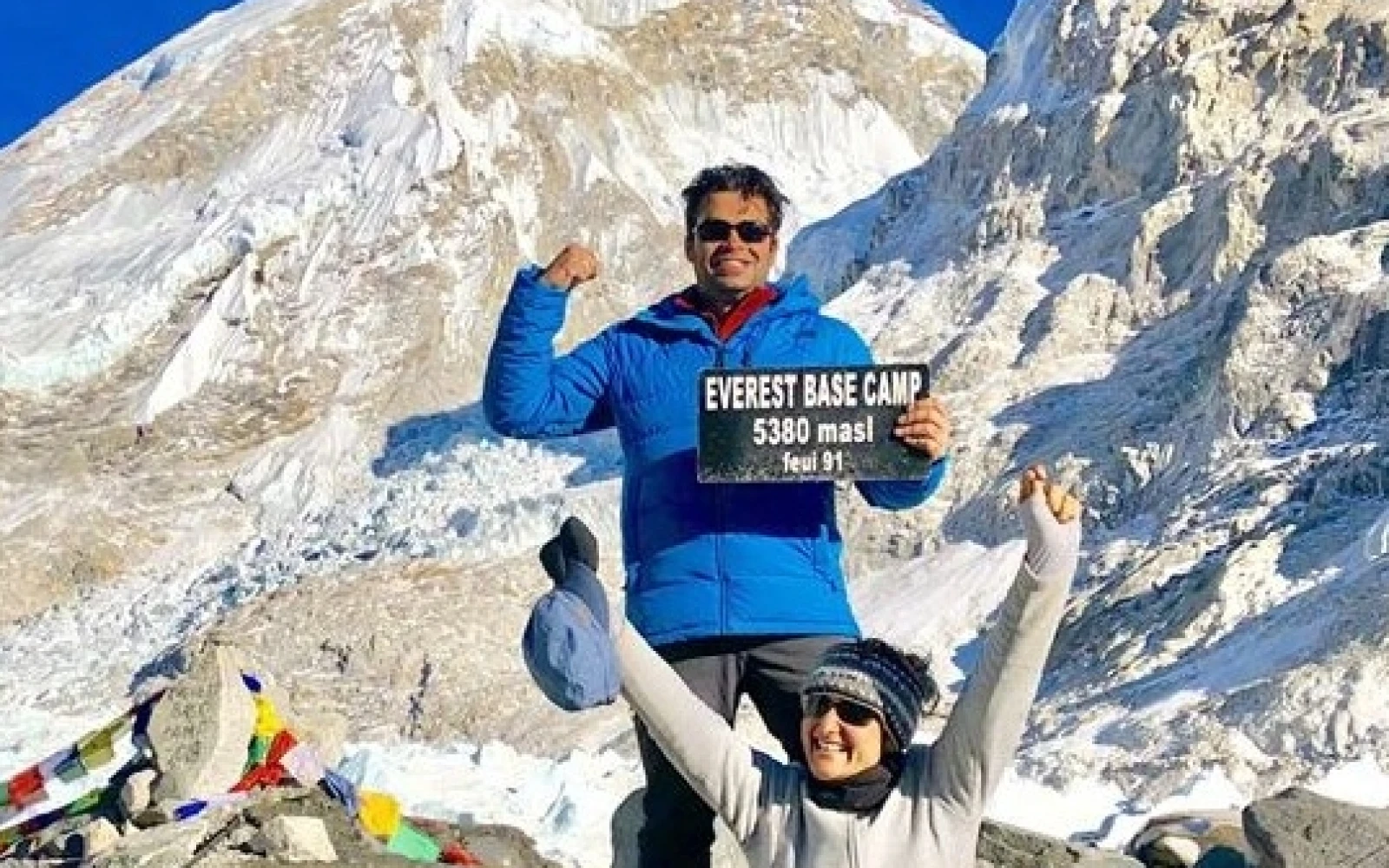
Lobuche East Peak Climbing is one of Nepal’s most rewarding Himalayan adventures, combining the classic Everest Base Camp trekking route with the challenge of reaching a 6,000-meter-class Himalayan summit. At approximately 6,119 meters (20,070 feet), Lobuche East offers spectacular views of Everest, Lhotse, Nuptse, Ama Dablam, Pumori, Cholatse and numerous other Himalayan peaks. The journey is designed for adventurous trekkers who want to progress from high-altitude trekking into basic mountaineering.
The itinerary provided by Nepal Everest Trek takes climbers through Kathmandu, Lukla, Phakding, Namche Bazaar, Tengboche, Dingboche, Lobuche and Gorak Shep before continuing toward Lobuche High Camp and the summit. Proper acclimatization at Namche and Dingboche is an important part of the program, while the contingency day provides flexibility for weather or other mountain-related delays.
Lobuche East Peak Climbing is an excellent introduction to Himalayan peak climbing for experienced trekkers seeking a more technical challenge than a standard Everest Base Camp trek. The approach follows the famous Khumbu trail, allowing climbers to experience Sherpa villages, Buddhist monasteries, suspension bridges, glacial valleys and dramatic mountain scenery before entering the high-altitude climbing environment.
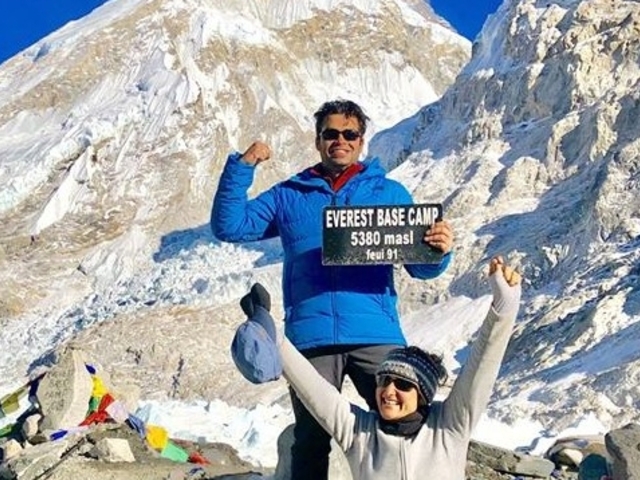
Unlike a normal trekking itinerary, the Lobuche East expedition requires preparation for glacier and snow conditions, crampon use, rope techniques and steep terrain. The final ascent can involve fixed ropes and technical climbing skills, so physical conditioning and previous exposure to basic mountaineering techniques are highly beneficial. Lobuche East is commonly regarded as a more technically demanding option than some other 6,000-meter trekking peaks.
One of the biggest attractions of Lobuche East is that the expedition combines the cultural and scenic experience of the Everest region with an actual Himalayan summit attempt. Before reaching the climbing section, the route passes through iconic locations including Namche Bazaar, Tengboche, Dingboche, Lobuche and Everest Base Camp. This makes the journey much more than a single summit climb.
The summit provides an exceptional Himalayan panorama, with views toward Everest and the surrounding peaks of the Khumbu. The itinerary also includes Kala Patthar, one of the most famous viewpoints in the Everest region, giving climbers an opportunity to experience an outstanding sunrise or mountain panorama before returning toward the lower valleys.
The Nepal Everest Trek itinerary begins with arrival in Kathmandu and an early flight toward Lukla. From Lukla, the trail gradually follows the Dudh Koshi and Khumbu valleys toward Phakding and Namche Bazaar. The acclimatization day at Namche is followed by trekking through Tengboche and Dingboche, with another important acclimatization hike to Nagarjun Hill.
From Dingboche, the route continues toward Lobuche and then Gorak Shep. The itinerary includes the Everest Base Camp excursion and a subsequent Kala Patthar hike before returning to Lobuche. The climbing phase then begins with the ascent to Lobuche High Camp, followed by the summit attempt at 6,119 meters. A reserve day is included before descending through Pangboche and Namche Bazaar to Lukla.
The itinerary should be treated as a mountain plan rather than a guaranteed timetable. Flight schedules to and from Lukla can be affected by weather, while summit day depends on snow conditions, wind, visibility, route safety and the health of the climbing team. A qualified guide should establish appropriate turnaround times and make the final decision about whether conditions are suitable for the summit attempt.
The best periods for Lobuche East Peak Climbing are generally spring (March to May) and autumn (late September to November). These seasons normally offer more favorable trekking and climbing conditions, although Himalayan weather can change rapidly even during the preferred periods. Spring is particularly attractive for climbers because of relatively stable conditions and improving temperatures, while autumn follows the summer monsoon and often provides clear mountain views.
Winter climbing is possible for experienced teams but brings significantly colder temperatures, snow and potentially difficult high-altitude conditions. The summer/monsoon period is generally less favorable because rain, cloud, slippery trails and flight disruptions can affect the approach journey. Choosing the right season is therefore an important part of planning a safe and enjoyable expedition.
Climbing Lobuche East requires the appropriate trekking and mountaineering permits for the Everest/Khumbu region. The exact permit requirements and applicable fees can change by season and according to regulations issued by the Government of Nepal and local authorities, so climbers should confirm the current requirements before departure. Nepal Everest Trek can assist with arranging the necessary permits as part of the expedition preparation.
In addition to permits, climbers should carry valid identification and travel documents throughout the journey. A passport, travel insurance covering high-altitude mountaineering, emergency contact information, and relevant medical details are especially important for a 6,000-meter peak expedition. Your climbing company should also ensure that the required peak-climbing documentation is properly processed before the summit attempt.
The total cost of Lobuche East Peak Climbing depends on the length of the expedition, group size, services included and the level of climbing support. Unlike a standard Everest Base Camp trek, a peak-climbing expedition involves additional expenses for climbing permits, specialized equipment, experienced climbing guides, high-altitude support, and logistics. Therefore, the total package price should be considered together with what is actually included and excluded.
With Nepal Everest Trek, climbers should request a current quotation based on their preferred travel dates and group size. Costs can also increase if additional accommodation in Kathmandu is required, domestic flights are disrupted, extra porter support is needed, or the expedition requires additional days because of weather. A clear cost breakdown before booking helps avoid unexpected expenses during the expedition.
Lobuche East is a demanding Himalayan climbing peak rather than an ordinary trekking destination. The expedition reaches approximately 6,119 meters (20,070 feet), where low oxygen levels, cold temperatures, snow, steep terrain, and rapidly changing weather can significantly increase the difficulty. Climbers need good endurance because the approach itself involves several long trekking days before reaching the climbing section.
The summit section requires more than normal trekking ability. Depending on route and conditions, climbers may encounter steep snow and ice and may need to use crampons, an ice axe, a harness, a climbing rope, and an ascender on fixed ropes. Previous mountaineering experience is highly advantageous, although beginners with excellent fitness and appropriate instruction may undertake the climb with qualified professional support. Nepal Everest Trek can provide guidance and climbing preparation before the summit attempt.
A well-planned Lobuche East expedition normally requires substantially more time than simply reaching the peak because the body needs time to adapt to increasing altitude. The itinerary provided by Nepal Everest Trek uses an 18-day schedule, beginning with arrival in Kathmandu and continuing through Lukla, Namche Bazaar, Tengboche, Dingboche, Lobuche and Gorak Shep before the climbing phase.
The itinerary includes two important acclimatization stages, an Everest Base Camp excursion, a Kala Patthar hike, a Lobuche High Camp stay and a dedicated contingency day. After the summit attempt, the route descends through Pangboche and Namche Bazaar before returning to Lukla. The 18-day schedule provides a structured combination of trekking, acclimatization, climbing and recovery, while the reserve day allows some flexibility for unpredictable Himalayan weather.
The number of days can vary depending on the chosen itinerary, acclimatization requirements, weather conditions, and the climber's experience. It is generally better to allow sufficient acclimatization and contingency time rather than designing an unnecessarily compressed schedule. For a high-altitude peak such as Lobuche East, Nepal Everest Trek can customize the itinerary according to the group's experience, physical condition, and available travel time.
Acclimatization is one of the most important parts of Lobuche East Peak Climbing because the route reaches more than 6,000 meters above sea level. The itinerary organized by Nepal Everest Trek includes acclimatization stops at Namche Bazaar and Dingboche, allowing climbers to gradually adapt as they move into the higher Khumbu Valley. The Nagarjun Hill acclimatization hike also provides valuable exposure to higher elevations before continuing toward Lobuche and the climbing section.
Altitude sickness can affect anyone, regardless of age, fitness or previous trekking experience. Common early symptoms include headache, nausea, dizziness, unusual tiredness and loss of appetite. Climbers should communicate symptoms to their guide immediately rather than attempting to push through worsening conditions. Descending to a lower elevation is the most important treatment when serious altitude illness is suspected.
Lobuche East requires both trekking equipment and specialized mountaineering gear. Conditions can change considerably between the lower Khumbu villages and the high-altitude climbing section, so climbers need clothing suitable for cold, wind, snow, and long days outdoors. Proper layering is particularly useful because temperatures can vary dramatically between daytime trekking and nighttime at high camp.
The technical climbing equipment should be selected according to current route conditions and the equipment provided by Nepal Everest Trek. Climbers should clarify before departure which items are included in the expedition package and which must be brought personally. Equipment should also be tested before reaching the mountain so that climbers are familiar with their boots, harness, crampons and other essential gear.
Preparation begins well before arriving in Nepal. Because the expedition combines several days of demanding trekking with a high-altitude summit attempt, climbers should build endurance through regular cardiovascular exercise, hiking, and strength training. Practice carrying a backpack and, if possible, gain experience using crampons, an ice axe, a harness and fixed-rope systems before attempting Lobuche East.
During the expedition, patience is just as important as physical strength. Follow the instructions of your professional climbing guide, maintain a comfortable pace and take acclimatization seriously. Weather can change quickly in the mountains, so summit plans should remain flexible. Nepal Everest Trek can help manage route logistics, climbing support, and safety decisions throughout the expedition.
Lobuche East and Island Peak are both popular Himalayan climbing objectives in the Everest region, but they provide somewhat different experiences. Lobuche East combines the classic Everest Base Camp journey with a high-altitude peak-climbing experience, making it particularly appealing to trekkers who want to visit Everest Base Camp and then attempt a summit. The route also includes iconic viewpoints such as Kala Patthar.
Island Peak, also known as Imja Tse, is another famous trekking peak in the Khumbu and is often chosen by climbers looking for a more direct mountaineering-focused experience. The better choice depends on your previous climbing experience, physical preparation, desired itinerary, and interest in combining trekking landmarks with a summit. Nepal Everest Trek can help assess which objective better matches your experience and goals.
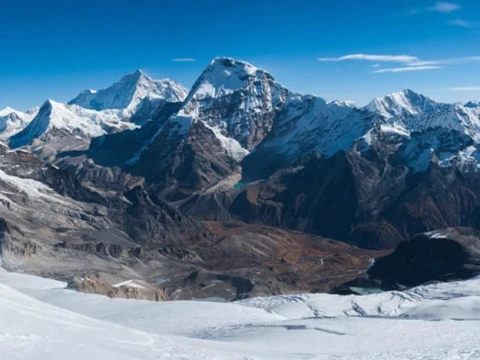
Mera Peak Climbing is one of the most popular high-altitude trekking and climbing adventures in Nepal. Reaching 6,461 meters (21,190 feet), Mera Peak is widely regarded as one of the most accessible trekking peaks in the Himalayas for people who are new to mountaineering. The journey combines scenic trekking through the remote Hinku Valley
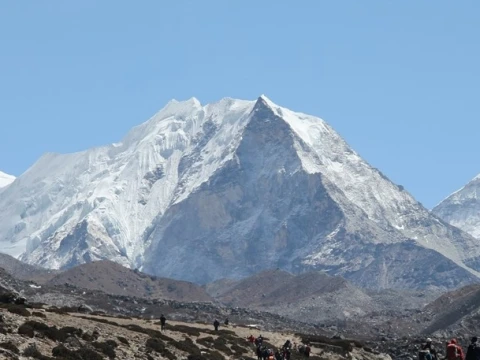
Island Peak Climbing in Nepal is one of the most exciting Himalayan climbing adventures, combining the classic Everest Base Camp trekking experience with an exhilarating ascent of Island Peak, also known as Imja Tse. Rising to 6,189 meters (20,305 feet), the peak offers an excellent introduction to high-altitude mountaineering while providing