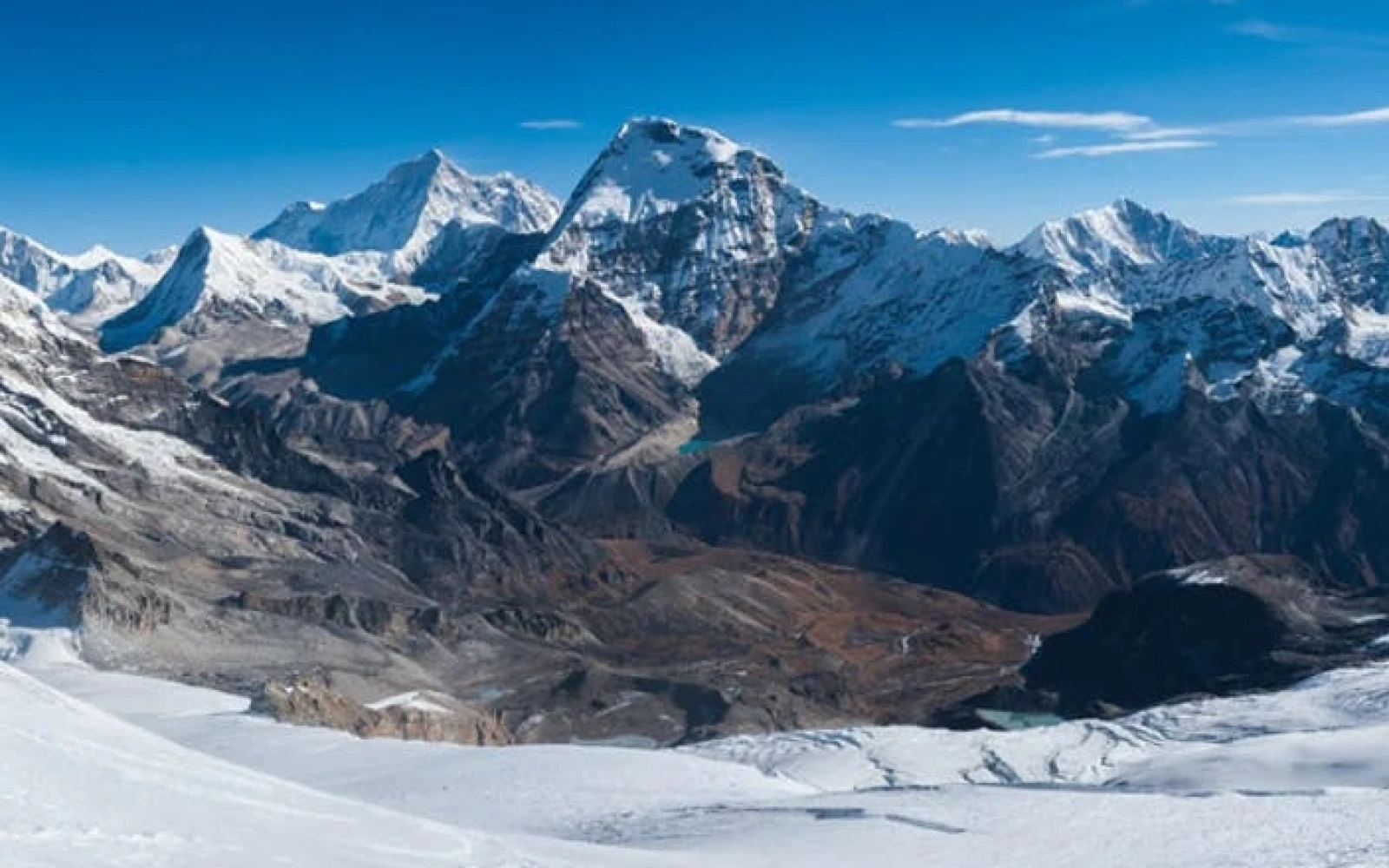
Mera Peak Climbing is one of the most popular high-altitude trekking and climbing adventures in Nepal. Reaching 6,461 meters (21,190 feet), Mera Peak is widely regarded as one of the most accessible trekking peaks in the Himalayas for people who are new to mountaineering. The journey combines scenic trekking through the remote Hinku Valley with glacier travel, acclimatization, and a challenging summit ascent. With careful preparation and professional guidance, beginners with good fitness can attempt the climb.
The standard itinerary takes around 17 days, including arrival and departure from Kathmandu, trekking through Chutanga, Thuli Kharka, Kothe, Thaknak, and Khare, acclimatization, the summit attempt, and contingency time. Nepal Adventure Pilgrimage Treks & Expedition provides organized climbing support, experienced guides, logistical assistance, and acclimatization-focused itineraries to help beginners approach Mera Peak safely and confidently.
Key highlights:
Mera Peak climbing is more than simply reaching a high summit. It is an introduction to Himalayan mountaineering, where trekkers gradually move from lower valleys to extreme alpine environments. The route passes through forests, traditional mountain settlements, high-altitude valleys, rocky trails, and glacial terrain before reaching the summit area. Along the way, climbers experience spectacular views of some of the world's highest mountains.
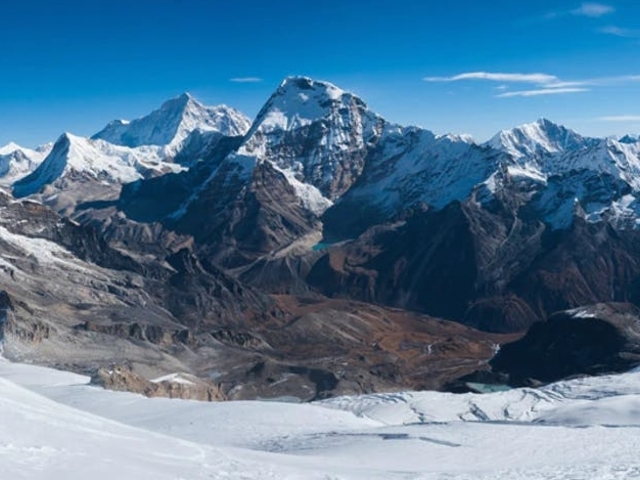
For beginners, the major attraction is that Mera Peak does not normally require the highly technical climbing skills associated with many harder Himalayan peaks. However, its high elevation should never be underestimated. Altitude, cold temperatures, changing weather, steep sections, and glacier conditions can make the summit day physically demanding. A responsible climbing company should therefore prioritize acclimatization, weather assessment, equipment, and guide support rather than treating Mera Peak as an ordinary trek.
What the experience includes:
Mera Peak is located in eastern Nepal in the Solukhumbu region, within the remote Hinku and Hongu valleys of the Everest region. Although it is geographically close to the Everest trekking area, the Mera Peak route is generally quieter and less crowded than the classic Everest Base Camp trail. The approach from Lukla leads trekkers through forests and high mountain valleys before reaching the climbing zone around Khare and Mera Base Camp.
The mountain rises to 6,461 meters, making altitude the defining geographical feature of the climb. The landscape changes dramatically as the route gains elevation: lush vegetation and forested hills give way to alpine meadows, rugged valleys, rocky slopes, glaciers, and snow-covered peaks. From higher sections of the route and especially from the summit, climbers can enjoy extensive views of Himalayan giants including Mount Everest, Lhotse, Makalu, Cho Oyu, and Kanchenjunga, subject to weather and visibility.
Geographical highlights:
Mera Peak is an attractive choice for beginners because it provides an opportunity to experience genuine Himalayan mountaineering without requiring the level of technical climbing normally associated with more difficult expedition peaks. The journey allows climbers to learn to use equipment such as crampons, ice axes, harnesses, and ropes while supported by experienced mountain guides.
Another major advantage is the combination of trekking and climbing. Climbers spend several days gradually gaining altitude before reaching the summit zone, allowing time to become familiar with the environment. The route also offers spectacular scenery and a sense of wilderness that makes the journey rewarding even beyond the summit itself. Nepal Adventure Pilgrimage Treks & Expedition can help first-time climbers prepare for the physical, logistical, and technical aspects of the expedition.
Reasons beginners consider Mera Peak:
Mera Peak is commonly considered a non-technical or moderately technical trekking peak, but "beginner-friendly" does not mean easy. The greatest challenge is the extreme altitude. At more than 6,400 meters, the body is exposed to significantly reduced oxygen levels, and even physically fit trekkers can experience fatigue, headaches, shortness of breath, or symptoms of altitude sickness. The summit day can also involve several hours of climbing in darkness, cold, snow, and glacier conditions.
Beginners should ideally have previous experience with long-distance trekking or strenuous hiking, although extensive mountaineering experience is not always necessary. Training should focus on cardiovascular endurance, leg strength, core stability, and the ability to walk for several consecutive hours. Professional guidance is particularly important on the glacier and summit sections, where conditions can change quickly. A well-planned itinerary with acclimatization and a contingency day greatly improves the overall experience.
Main challenges include:
The best seasons for Mera Peak climbing are generally spring (March to May) and autumn (September to November). These periods usually offer more stable mountain weather, better visibility, and favorable trekking conditions. Spring is particularly attractive because temperatures gradually become warmer and mountain scenery can be complemented by blooming rhododendrons at lower elevations.
Autumn is another excellent season because the monsoon has generally cleared the atmosphere, often producing crisp mountain views and relatively stable conditions. Winter climbs are possible but involve significantly colder temperatures and potentially more difficult snow conditions, while the summer/monsoon period can bring rain, cloud, wet trails, and flight disruptions in the Lukla area. Climbers should always remember that Himalayan weather is unpredictable, so the final summit attempt depends on actual conditions rather than the calendar alone.
Best seasons at a glance:
The standard Mera Peak climbing itinerary takes around 17 days, including arrival in Kathmandu, preparation, trekking to the Mera Peak region, acclimatization, the summit attempt, descent to Lukla, and the flight back to Kathmandu. This duration provides a gradual approach to higher elevations rather than rushing directly toward the summit. The itinerary used by Nepal Adventure Pilgrimage Treks & Expedition includes a dedicated acclimatization day and a reserve day to provide flexibility for changing weather or unexpected delays.
The actual climbing portion is only one part of the adventure. Most of the journey involves trekking through remote Himalayan valleys and allowing the body to adjust to increasing altitude. The itinerary can sometimes need modification because of weather, trail conditions, flight schedules, or individual acclimatization. For beginners, maintaining a reasonable pace and allowing adequate recovery time is more important than completing the route as quickly as possible.
Typical duration includes:
The Mera Peak route begins with preparation in Kathmandu and a flight to Lukla, followed by trekking through the scenic Hinku Valley. The trail gradually moves from lower-altitude forests and mountain settlements toward increasingly rugged alpine landscapes. Important stops on the route include Chutanga, Thuli Kharka, Kothe, Thaknak, and Khare. The gradual progression is particularly valuable for beginners because it gives the body time to adapt to the changing elevation.
As the route climbs above Khare, the environment becomes much more alpine. The journey continues toward Mera Base Camp and the high camp before the summit attempt. The final ascent involves snow and glacier terrain and requires appropriate mountaineering equipment and guidance. After reaching the summit, climbers descend to lower elevations and retrace the route toward Kothe, Thuli Kharka, and Lukla. Nepal Adventure Pilgrimage Treks & Expedition provides experienced guides and logistical support throughout the route.
Major route points:
The Mera Peak itinerary is designed around progressive altitude gain and acclimatization. After arrival and preparation in Kathmandu, the trek begins from Lukla and gradually enters the remote Hinku Valley. The itinerary includes shorter trekking days at some higher elevations, particularly around Thaknak and Khare, helping climbers conserve energy before the summit attempt.
The summit day is the most demanding part of the expedition. Climbers normally start very early and ascend from the high camp toward the summit before descending to a lower elevation. Because weather and individual acclimatization can vary, the reserve day is an important part of the schedule. Nepal Adventure Pilgrimage Treks & Expedition can adjust the program when necessary according to mountain conditions and the team's safety requirements.
Day-by-day overview:
Mera Peak is suitable for well-prepared beginners, but climbers need a good level of physical fitness. The expedition involves long days of walking, steep ascents and descents, high-altitude trekking, and a demanding summit day. Training should ideally begin several months before departure, particularly for people who do not regularly participate in hiking or endurance activities.
A balanced training program should combine cardiovascular exercise with strength and endurance training. Regular uphill hiking is especially useful because it helps prepare the legs and lungs for sustained climbing. Practice hikes with a backpack can also help climbers understand how their bodies respond to prolonged activity. In addition to physical preparation, beginners should develop the mental discipline to maintain a steady pace and conserve energy at high altitude.
Useful preparation includes:
Acclimatization is one of the most important elements of a Mera Peak expedition because the summit reaches 6,461 meters (21,190 feet). As altitude increases, atmospheric pressure and available oxygen decrease, making physical activity progressively more difficult. A properly designed itinerary allows climbers to gain elevation gradually and includes rest or acclimatization periods, such as the planned rest day at Khare.
Altitude sickness can affect anyone regardless of age or fitness level. Common early symptoms can include headache, dizziness, unusual fatigue, nausea, loss of appetite, and disturbed sleep. Climbers should communicate symptoms to their guide immediately rather than trying to push through them. Severe symptoms can become life-threatening, so descending to a lower elevation is an important response when serious altitude illness is suspected.
Important acclimatization practices:
Mera Peak climbing requires appropriate permits and documentation before entering the climbing area and undertaking the expedition. The exact permit requirements and fees can change according to Nepal's regulations, the climbing season, and the administrative areas included in the route. Climbers should therefore confirm the current requirements before departure rather than relying on outdated permit information.
For an organized expedition, Nepal Adventure Pilgrimage Treks & Expedition can assist with the required climbing and trekking documentation as part of the logistical preparation. Travelers should provide accurate passport details and other information requested by the operator in advance. It is also important to carry copies of essential documents during the journey, particularly when traveling through remote areas.
Commonly required documents and arrangements may include:
Because permit rules, fees, and administrative requirements can change, climbers should verify the current regulations for their climbing season with their trekking agency and the relevant Nepal authorities before starting the expedition.
Mera Peak climbing requires a combination of trekking equipment and specialized mountaineering gear because the route progresses from lower Himalayan trails to snow, ice, and glacier terrain. Beginners should choose reliable, lightweight equipment suitable for cold and high-altitude conditions. Nepal Adventure Pilgrimage Treks & Expedition can provide guidance on what to bring and which technical equipment may be available for hire or arranged locally.
Layering is especially important because temperatures can vary significantly between the lower valleys and the summit environment. Good-quality trekking boots, warm clothing, gloves, a sleeping bag, sunglasses, and sun protection are essential. For the climbing section, equipment such as crampons, an ice axe, harness, helmet, and appropriate ropes may be required depending on the route and current mountain conditions.
Essential gear includes:
The total cost of Mera Peak climbing depends on factors such as trip duration, group size, season, guide and porter services, permits, accommodation, transportation, equipment requirements, and personal spending. Beginners should consider the entire expedition rather than comparing only the basic package price. A reliable package from Nepal Adventure Pilgrimage Treks & Expedition should clearly explain what is included and what travelers need to pay separately.
Additional expenses can arise during the trek, including snacks, drinks, charging, Wi-Fi, tips, personal equipment rental, extra accommodation, and unexpected transportation. Travel insurance with high-altitude trekking and emergency evacuation coverage is also an important part of the overall budget. Setting aside an emergency reserve can help avoid financial stress if weather or logistical problems extend the trip.
Main cost factors:
Accommodation along the Mera Peak route is generally based on local teahouses or lodges at the lower and mid-altitude sections of the trek. Rooms are usually simple and may include twin beds, mattresses, blankets, and shared bathroom facilities. As the route reaches higher and more remote locations such as Khare and the base camp area, facilities become increasingly basic. At high camp, climbers should be prepared for a much simpler camping environment.
Meals are designed to provide enough energy for long trekking days. Typical teahouse menus may include dal bhat, noodles, rice, pasta, potatoes, soups, eggs, bread, vegetables, and other basic dishes. At higher elevations, food choices can be more limited because supplies have to be transported into remote mountain areas. Staying hydrated and eating sufficient carbohydrates and protein can help maintain energy throughout the expedition.
Typical food and accommodation:
Professional guides and porters are an important part of a safe and enjoyable Mera Peak expedition, particularly for first-time Himalayan climbers. A qualified climbing guide understands the route, altitude management, weather conditions, glacier travel, and summit procedures. Guides also help coordinate accommodation, meals, permits, transportation, and communication with the support team.
Porters can carry trekking loads, allowing climbers to conserve energy for the higher sections of the route. On the climbing portion, additional technical support may be necessary depending on the group, conditions, and climbing arrangements. Nepal Adventure Pilgrimage Treks & Expedition can organize guide, porter, and expedition support according to the requirements of the climbing group.
Benefits of professional support:
Safety should be the highest priority for beginners attempting Mera Peak. The mountain's altitude creates risks that cannot be eliminated through fitness alone. Climbers should follow the itinerary, maintain a steady pace, stay hydrated, eat regularly, and communicate openly with their guide about physical symptoms. The decision to continue toward the summit should always depend on weather, health, route conditions, and the guide's professional assessment.
Preparation before the trek is equally important. Travelers should have appropriate insurance, suitable equipment, emergency contacts, and sufficient physical training. During the expedition, never ignore signs of altitude sickness or attempt to continue simply because reaching the summit is a personal goal. A successful expedition means returning safely as well as reaching the summit.
Important safety practices:
One of the biggest challenges for first-time climbers is adjusting to high altitude. Even strong hikers may find normal activities exhausting as they approach 5,000 meters and above. The summit day can be particularly demanding because it combines an early start, cold temperatures, steep terrain, snow and glacier travel, and many hours of physical effort.
Beginners may also struggle with changing weather, limited accommodation facilities, basic food options, and the psychological pressure of climbing in a remote environment. Proper training and realistic expectations can make these difficulties easier to manage. Nepal Adventure Pilgrimage Treks & Expedition can support climbers by maintaining a sensible pace, providing experienced mountain staff, and adapting the itinerary when conditions require it.
Common beginner challenges:
Mera Peak is often compared with other trekking peaks in Nepal, particularly Island Peak (Imja Tse) and Lobuche East. Mera Peak stands out because of its impressive elevation of 6,461 meters (21,190 feet) and its generally less technically demanding summit route. For beginners, the main challenge is usually altitude, endurance, and exposure to snow and glacier terrain rather than highly technical rock or ice climbing.
Island Peak can involve more technical sections, including steeper climbing and more demanding glacier terrain, while Lobuche East combines trekking with more technical climbing sections. Mera Peak can therefore be a suitable introduction to high-altitude mountaineering for fit beginners who want to experience a Himalayan summit. Nepal Adventure Pilgrimage Treks & Expedition helps climbers understand the differences and select an itinerary based on their fitness, experience, and objectives.
Quick comparison:
Packing properly is one of the most important parts of preparing for Mera Peak. The trek begins in relatively moderate conditions but eventually reaches an extremely cold, high-altitude environment. Climbers therefore need a combination of trekking clothing, cold-weather equipment, personal items, and technical mountaineering gear. Packing in layers makes it easier to adjust clothing as temperatures change throughout the journey.
Technical equipment requirements can depend on the route, season, snow conditions, and climbing arrangements. Some climbing equipment may be available for rental or organized through Nepal Adventure Pilgrimage Treks & Expedition, so climbers should confirm what is included before purchasing or carrying bulky equipment. Keeping the overall load manageable is also important because porters and climbers must transport gear through remote mountain terrain.
Essential packing items:
Mera Peak summit day is the most challenging and memorable part of the expedition. Climbers generally begin very early from the high camp, often before sunrise, to take advantage of favorable morning conditions. The ascent can involve snow and glacier terrain, and climbers may use crampons, an ice axe, a harness, and rope systems according to the conditions and the guide's instructions.
The combination of high altitude, cold temperatures, darkness, and several hours of physical effort makes summit day demanding even for experienced trekkers. After reaching the summit, climbers normally spend a limited amount of time enjoying the views and taking photographs before beginning the descent. Descending safely is just as important as reaching the summit, and the team may return to a lower camp or Khare depending on the itinerary and conditions.
Summit-day expectations:
Weather on Mera Peak can change rapidly because of the mountain's extreme elevation. Conditions at lower elevations can be relatively comfortable while temperatures around the summit and high camp can be freezing or significantly colder, particularly before sunrise. Wind can also make conditions feel much colder than the actual air temperature.
Spring and autumn generally provide the most favorable conditions for climbing, but no season guarantees perfect weather. Cloud, snowfall, strong winds, poor visibility, and changing temperatures can affect the route and summit schedule. For this reason, Nepal Adventure Pilgrimage Treks & Expedition builds flexibility into the expedition and maintains a reserve day whenever possible so that the summit attempt can be adjusted according to actual mountain conditions.
Weather considerations:
A successful first Mera Peak climb begins well before arriving in Nepal. Physical preparation, suitable equipment, realistic expectations, and a positive attitude all contribute to a better experience. Beginners should build endurance through regular hiking, cardiovascular training, stair climbing, and strength exercises. Practicing with a backpack can also help the body become accustomed to carrying equipment during long mountain days.
Once on the mountain, climbers should avoid rushing. Walking slowly, staying hydrated, eating enough, sleeping adequately, and following the acclimatization schedule are essential. The goal should be to maintain consistent energy throughout the expedition rather than trying to move quickly. Working closely with the experienced guides of Nepal Adventure Pilgrimage Treks & Expedition can help first-time climbers respond appropriately to changing weather, altitude, and trail conditions.
Tips for beginners:
Is Mera Peak suitable for complete beginners?
Mera Peak can be suitable for fit beginners who have prepared properly and are comfortable with strenuous trekking. Previous mountaineering experience is helpful but not always essential. Because the summit reaches 6,461 meters, beginners should understand that altitude is a major challenge and professional mountain guidance is strongly recommended.
Do I need previous climbing experience?
Extensive technical climbing experience is not necessarily required, but climbers should learn basic mountaineering techniques before the summit attempt. Guides can provide instruction on equipment such as crampons, ice axes, harnesses, and rope systems.
How fit do I need to be?
You should be capable of walking uphill for several hours on consecutive days and handling a long summit day. Cardiovascular endurance, strong legs, and good overall stamina are particularly valuable.
When is the best time to climb Mera Peak?
Spring and autumn are generally considered the best periods because they tend to offer more favorable weather and visibility. However, actual mountain conditions can vary from year to year.
How high is Mera Peak?
Mera Peak reaches approximately 6,461 meters (21,190 feet) above sea level.
How long does the trip take?
A typical itinerary takes around 17 days, including Kathmandu preparation, trekking, acclimatization, the summit attempt, descent to Lukla, and return to Kathmandu.
Is altitude sickness a risk?
Yes. Because the itinerary reaches more than 6,000 meters, altitude-related illness is a serious consideration. Gradual acclimatization, hydration, appropriate pacing, and immediate communication with your guide about symptoms are essential.
Can climbing equipment be rented in Nepal?
Some technical and trekking equipment can be rented locally, depending on availability and the season. Climbers should confirm rental arrangements with Nepal Adventure Pilgrimage Treks & Expedition before departure.
What happens if the summit cannot be reached?
Mountain weather and safety conditions can make a summit attempt impossible. A responsible expedition operator will prioritize the safety of the team and may use the reserve day or modify the itinerary rather than taking unnecessary risks.
What does the summit view look like?
In clear conditions, the summit provides exceptional Himalayan panoramas, with views toward several major peaks of the eastern Nepal Himalaya.
Mera Peak can be an excellent choice for adventurous beginners who want to move beyond high-altitude trekking and experience Himalayan mountaineering. The route combines remote mountain trekking, acclimatization, glacier travel, and a rewarding summit experience. Its relatively moderate technical demands make it an appealing first Himalayan climbing objective, although the 6,461-meter altitude means it should never be considered an easy hike.
If you have good endurance, are prepared to train beforehand, can handle several demanding trekking days, and are willing to follow professional guidance, Mera Peak may be a suitable first climbing experience. Nepal Adventure Pilgrimage Treks & Expedition can assist with itinerary planning, climbing logistics, experienced guides, permits, accommodation, and expedition support so that beginners can concentrate on preparation and enjoying the Himalayan journey.
Mera Peak may be right for you if you:
A successful Mera Peak expedition is not defined only by standing on the summit. It is also about preparing responsibly, adapting to the mountain, respecting local communities and the environment, and returning safely with a memorable Himalayan experience. With appropriate preparation and professional support from Nepal Adventure Pilgrimage Treks & Expedition, Mera Peak can be a rewarding and achievable objective for a well-prepared first-time climber.