Need help with booking? Send us a message.
Mera Peak is one of the most popular trekking peaks in Nepal and a dream destination for climbers who wish to experience high-altitude mountaineering without extremely technical climbing challenges. With an elevation of approximately 6,476 meters above sea level, it is considered one of the highest trekking peaks in Nepal. Nepal Adventure Pilgrimage Treks & Expedition invites adventure enthusiasts from around the world to embark on this remarkable Himalayan journey that combines thrilling trekking routes, cultural exploration, and breathtaking mountain scenery.
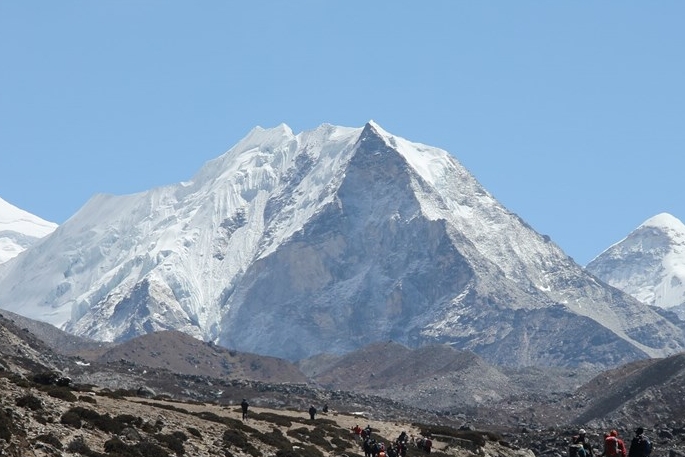
The expedition follows an alternative route in the Everest region that passes through the beautiful Hinku Valley, far from the busy Everest Base Camp trail. During the trek, climbers walk through diverse landscapes ranging from lush rhododendron forests to alpine meadows where yaks graze peacefully. The route also offers stunning views of some of the world’s highest mountains, including Mount Everest, Makalu, Cho Oyu, and Lhotse.
The adventure begins with a scenic mountain flight to Lukla Airport, one of the most thrilling airports in the world. From Lukla, the trail gradually ascends through remote Sherpa villages and high mountain passes before reaching the pristine glacial landscapes of Mera Peak. Along the way, trekkers encounter pristine lakes, glaciers, and the stunning Tshabal Tsho Lake, adding natural beauty to the expedition.
Nepal Adventure Pilgrimage Treks & Expedition emphasizes safety, experienced guidance, and well-planned itineraries. Our professional guides ensure climbers are properly acclimatized and equipped for the journey. Mera Peak is often considered the perfect first Himalayan climbing experience, allowing trekkers to step into the world of mountaineering with confidence.
Choosing the right season is essential for a successful Mera Peak expedition. The best times for climbing are spring (March–May) and autumn (September–November). During these seasons, the weather is generally stable, skies remain clear, and mountain views are at their best. These conditions provide safer climbing opportunities and allow climbers to enjoy the beauty of the Himalayas.
Spring brings blooming rhododendron forests and moderate temperatures, making trekking pleasant throughout the lower valleys. Climbers also enjoy longer daylight hours and warmer conditions compared to winter. Autumn, on the other hand, is known for its crystal-clear skies after the monsoon season, offering spectacular panoramic mountain views.
Although it is possible to climb Mera Peak in winter or early summer, these seasons bring additional challenges such as heavy snowfall, cold temperatures, or unpredictable weather conditions. Therefore, Nepal Adventure Pilgrimage Treks & Expedition recommends planning your expedition during the peak trekking seasons for the best overall experience.
Best seasons include:
Advantages of these seasons:
Mera Peak is categorized as a moderate trekking peak in Nepal. Unlike highly technical mountains, it does not require advanced climbing skills or extensive mountaineering experience. However, the altitude is the main challenge. Climbers must be physically fit and capable of walking for several hours daily while gradually ascending to elevations above 6,000 meters.
Nepal Adventure Pilgrimage Treks & Expedition carefully designs the itinerary with proper acclimatization days to help trekkers adjust to the altitude. Basic mountaineering skills such as using crampons, ropes, and ice axes are taught by experienced guides before the summit push. With proper preparation and guidance, even first-time climbers can successfully reach the summit.
Transportation plays a major role in the adventure. The journey typically begins with a scenic mountain flight from Kathmandu to Lukla. This short flight offers spectacular views of the Himalayan landscape and is considered one of the most exciting flights in the world.
Difficulty overview
Transportation during the trip
During the Mera Peak expedition, trekkers stay in comfortable teahouses and lodges along the trekking route. These accommodations are simple but provide warm hospitality and basic facilities such as beds, blankets, and dining areas. As the trek progresses to higher elevations, accommodations become more basic, reflecting the remoteness of the region.
At higher camps such as Mera High Camp, climbers stay in expedition tents arranged by the climbing team. These camps are set up by experienced staff to ensure safety and comfort during the summit attempt. Nepal Adventure Pilgrimage Treks & Expedition provides well-organized camping logistics and trained cooks for meals at higher altitudes.
Food is an important aspect of maintaining energy during the trek. Trekkers can enjoy a variety of local and international dishes including traditional Nepali meals, soups, pasta, noodles, rice, vegetables, and hot drinks.
Typical meals include:
These meals provide the energy needed for trekking and climbing in high mountain environments.
Climbing Mera Peak requires several permits issued by the Nepalese government and trekking authorities. These permits help regulate trekking activities and support conservation efforts in the Himalayan region.
Nepal Adventure Pilgrimage Treks & Expedition arranges all necessary permits for climbers before the expedition begins. This allows travelers to focus entirely on enjoying the adventure without worrying about administrative procedures.
The permits required for Mera Peak climbing include:
These permits ensure safe and regulated trekking within protected mountain areas.
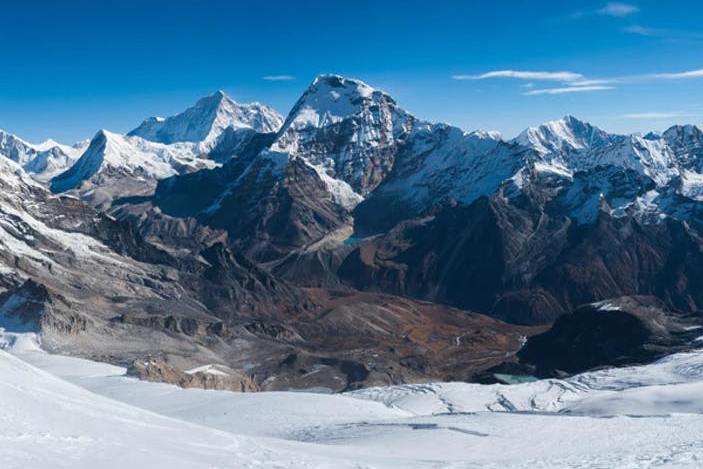
Mera Peak is an excellent choice for trekkers who want to experience high-altitude climbing while enjoying the natural beauty of the Himalayas. The mountain offers one of the best panoramic views in Nepal, including five of the world’s highest peaks. The climb provides a sense of achievement and an unforgettable adventure.
Choosing the right trekking company is equally important for a successful expedition. Nepal Adventure Pilgrimage Treks & Expedition is committed to providing safe, well-organized, and memorable Himalayan journeys. Our experienced guides, strong logistical support, and personalized service ensure that every climber enjoys a rewarding adventure.
Our team focuses on safety, responsible tourism, and cultural respect while guiding climbers through the remote Himalayan landscapes. With years of field experience, we carefully design itineraries that allow proper acclimatization and maximize the chances of a successful summit.
Reasons to choose Nepal Adventure Pilgrimage Treks & Expedition
You can surf through our website for the more information regarding services, altitudes, terrain difficulty and requirements. If you want to know more about Nepalese culture, traditions and other FAQs answers then please feel free to inquire further. Call us any time at Nepal adventure pilgrimage
Note: We try to depart on the scheduled itinerary, we cannot promise to guarantee fixed departure only in case of flight cancellation, delays. we request you to plan out extra few days in case the weather does not stay in our favor. Since your safety is our uttermost priority, we also request you to follow your team leaders and your guides’ since they are trained and experienced in this particular area. We can arrange to occupy your day with adventures and exploration activities to utilize the day.
Your adventure with Nepal Adventure Pilgrimage Treks & Expedition begins with your arrival in Kathmandu, the vibrant capital of Nepal. After landing at Tribhuvan International Airport, our representative will warmly welcome you and transfer you to your hotel in the city. Once checked in, you will have time to relax and recover from your journey. Later in the day, our trekking team will provide a detailed briefing about the upcoming expedition to Mera Peak, the highest trekking peak in Nepal. During this meeting, guides will review the itinerary, discuss safety procedures, and check climbing gear to ensure everything is ready. In the evening, you may explore nearby streets, sample authentic Nepali cuisine, or simply rest and prepare for the exciting journey into the Himalayas that begins the following day.
Today is dedicated to exploring the rich cultural heritage of Kathmandu while finalizing preparations for the expedition. After breakfast, you will join a guided sightseeing tour of several UNESCO World Heritage Sites in the Kathmandu Valley. Highlights may include the sacred Hindu temple of Pashupatinath Temple, the ancient Buddhist stupa Boudhanath Stupa, and the historic palace complex at Kathmandu Durbar Square. These locations showcase the deep spiritual traditions and architectural beauty of Nepal. In the afternoon, you will meet your climbing guide for a final gear inspection and packing session. If any equipment is missing, there will be time to rent or purchase necessary items in Kathmandu’s trekking shops. This day allows you to acclimate to the local culture and ensure everything is perfectly organized before heading into the remote Himalayan region.
Your mountain adventure officially begins today with an early flight from Kathmandu to Lukla, one of the main gateways to the Everest region. After landing at Tenzing–Hillary Airport, you will meet the trekking crew and begin your trek toward Chutanga. The trail gradually climbs through dense forests of rhododendron and pine while offering the first glimpses of the dramatic Himalayan landscape. The route is quieter than the classic Everest Base Camp trail, giving trekkers a more remote and peaceful experience. Along the way, you may pass small Sherpa settlements and yak grazing pastures. After several hours of steady hiking, you will reach Chutanga, a peaceful campsite surrounded by forested hills and mountain scenery. This first trekking day helps your body start adjusting to higher elevations while immersing you in the natural beauty of the Himalayas.
Today’s trek is one of the more challenging yet rewarding days as you cross the high mountain pass known as Zatrwa La Pass. The trail climbs steeply from Chutanga toward the pass, and as you gain altitude the forest gradually gives way to alpine terrain. Reaching the top of the pass rewards you with breathtaking panoramic views of Himalayan giants including Everest, Makalu, and other towering peaks of eastern Nepal. After enjoying the scenery and taking photos, you descend toward the wide yak pastures of Thuli Kharka. The path winds along ridges and open slopes before reaching the settlement where you will stay overnight. Thuli Kharka is a quiet alpine meadow surrounded by rugged mountains, providing a perfect setting to rest and appreciate the remote wilderness of the Mera Peak region.
From Thuli Kharka, the trail descends through beautiful alpine landscapes into the Hinku Valley, one of the least crowded trekking valleys in the Everest region. The path gradually leads through forests of pine and rhododendron, crossing small streams and passing seasonal yak herding camps. As you continue walking, the scenery opens up to reveal dramatic cliffs and river valleys carved by glacial waters. Eventually, you arrive at the riverside settlement of Kothe, located along the banks of the Hinku River. Kothe is a popular stopping point for trekkers and climbers heading toward Mera Peak. Here you can relax at a mountain lodge, enjoy warm meals, and watch local yak caravans transporting supplies through the valley. The peaceful surroundings and steady elevation gain make this an important day for acclimatization.
Today’s journey continues along the Hinku Valley as you gradually climb higher toward the glacier regions. The trail follows the river through open landscapes where the vegetation becomes thinner and the air noticeably cooler. Along the route, you may pass the historic herders’ settlement of Gondishung, which contains ancient prayer stones and evidence of long-standing Sherpa culture. As you approach Thaknak, the terrain becomes more rugged with views of glacial moraines and towering peaks surrounding the valley. Thaknak is a small seasonal settlement used mainly by trekkers and yak herders. From here, spectacular views of Mera Peak begin to appear in the distance. The shorter trekking day helps your body adjust to the increasing altitude while allowing time to rest and enjoy the dramatic alpine environment.
The trek from Thaknak to Khare is relatively short but involves gaining significant altitude. The trail gradually ascends along the lateral moraine of the Dig Glacier, offering incredible views of surrounding peaks and icy landscapes. As you climb higher, the terrain becomes more barren and rocky, reflecting the harsh beauty of the high Himalayas. After a few hours of steady trekking, you reach Khare, the last permanent settlement before the climb to Mera Peak. Khare is a small cluster of lodges that serve as the main base for climbers preparing for the summit. Upon arrival, guides from Nepal Adventure Pilgrimage Treks & Expedition will conduct a briefing about the upcoming climbing stages and review your mountaineering equipment. The rest of the day can be spent resting, exploring nearby viewpoints, or preparing mentally for the climb ahead.
Acclimatization is crucial for a successful and safe ascent, so today is dedicated to rest and altitude adaptation in Khare. Instead of complete inactivity, guides will organize short hikes to nearby ridges or glacial viewpoints to help your body adjust to the thinner air. During this day, you will also receive basic mountaineering training, including the use of crampons, ice axes, climbing harnesses, and fixed ropes. These practical sessions ensure every climber is comfortable with the equipment required for ascending Mera Peak. The surrounding views are spectacular, with towering glaciers and snow-covered peaks dominating the horizon. Spending extra time here significantly improves your chances of reaching the summit while minimizing the risk of altitude sickness. In the evening, your team will review the plan for the climb to base camp the following day.
After breakfast, you begin the climb toward Mera Base Camp. The trail follows a rocky path before transitioning onto glacial terrain as you approach the base of the mountain. Moving slowly and steadily, you will cross sections of the Mera Glacier while enjoying breathtaking views of the surrounding Himalayan landscape. Upon reaching base camp, the team will establish temporary tents and prepare for the final push toward the summit. The environment here is truly high alpine, with snowfields stretching in every direction. Guides from Nepal Adventure Pilgrimage Treks & Expedition will review climbing techniques once again and discuss the schedule for the summit attempt. The evening is spent resting, hydrating, and mentally preparing for one of the most memorable moments of the expedition.
Today is the highlight of the expedition as you attempt the summit of Mera Peak. The climb typically begins very early in the morning, often before sunrise, to take advantage of stable weather conditions. Equipped with crampons and ropes, you will gradually ascend the glacier under the guidance of experienced climbing leaders. The slope is steady but requires patience and determination due to the high altitude. Reaching the summit rewards climbers with one of the most spectacular panoramas in the Himalayas, including views of Everest, Lhotse, Cho Oyu, Makalu, and Kanchenjunga. After celebrating and taking photographs, you descend carefully back to Khare for a well-deserved rest after this incredible achievement.
This extra day is reserved as a contingency in case of unfavorable weather or other unexpected circumstances during the summit attempt. In high mountain environments, conditions can change rapidly, and having a flexible schedule increases the chances of safely reaching the summit. If the summit was successfully completed on Day 10, this day can be used for additional rest, short exploration hikes, or simply enjoying the peaceful mountain surroundings. Guides from Nepal Adventure Pilgrimage Treks & Expedition will assess weather forecasts and team conditions before deciding how to use the reserve day. This buffer day is an essential part of responsible expedition planning, ensuring safety and flexibility during the climbing journey.
After the intense experience of the summit, the journey now begins its gradual return. The descent from Khare to Kothe retraces the path through Thaknak and down the Hinku Valley. As you lose altitude, breathing becomes easier and the environment slowly shifts back to greener landscapes with alpine vegetation. The views remain spectacular, with glacial valleys and snow-capped peaks accompanying you along the route. Returning to Kothe provides a comfortable stop where trekkers can relax, celebrate their accomplishment, and enjoy warm meals in the mountain lodges. This day allows your body to recover while giving you time to reflect on the incredible achievement of climbing Mera Peak.
Today’s trek climbs back toward Thuli Kharka through forests and scenic ridges. The trail gradually ascends out of the Hinku Valley, passing through rhododendron forests and alpine meadows that are especially beautiful during spring bloom. As you gain elevation, the path opens to panoramic views of the surrounding Himalayan ranges. The peaceful environment and fewer trekkers make this route particularly enjoyable. Reaching Thuli Kharka again provides another opportunity to admire the dramatic mountain scenery from a different perspective. The evening can be spent relaxing with fellow trekkers and guides while sharing stories from the expedition.
Your final trekking day involves crossing Zatrwa La Pass once again before descending toward Lukla. The climb to the pass is gradual but rewarding, offering one last panoramic view of the high Himalayan peaks. After crossing the pass, the trail descends through forests and mountain villages as you return to Lukla. The familiar sight of the bustling trekking hub marks the end of your mountain journey. In the evening, many trekkers celebrate their successful expedition with their guides and porters, enjoying a final night in the Everest region and expressing gratitude to the team who made the journey possible.
This morning you board an early flight from Lukla back to Kathmandu. The short yet scenic flight offers stunning aerial views of the Himalayas, allowing you to see the mountains you trekked among from a completely different perspective. Upon arrival in Kathmandu, you will be transferred to your hotel where you can enjoy the comforts of the city once again. The rest of the day is free to relax, explore local markets such as Thamel, or enjoy a celebratory dinner. After many days in the mountains, returning to the vibrant atmosphere of Kathmandu provides a pleasant contrast.
Today is a free day to relax and recover after your Himalayan expedition. You may choose to explore more of Kathmandu’s cultural landmarks, shop for souvenirs, or simply enjoy a relaxing day at your hotel. Many trekkers take this opportunity to revisit favorite places or discover hidden corners of the city’s historic streets. The team from Nepal Adventure Pilgrimage Treks & Expedition may also host a farewell dinner to celebrate the success of the expedition and share memorable moments from the journey. This day offers the perfect chance to reflect on the adventure and appreciate the remarkable landscapes and cultures you experienced.
Your incredible journey in the Himalayas comes to an end today. After breakfast, our staff from Nepal Adventure Pilgrimage Treks & Expedition will transfer you to Tribhuvan International Airport according to your flight schedule. As you depart from Nepal, you carry with you unforgettable memories of climbing Mera Peak, experiencing Sherpa culture, and trekking through some of the world’s most spectacular mountain landscapes. We hope the adventure has been inspiring and rewarding, and we look forward to welcoming you back to Nepal for future Himalayan journeys. Safe travels and farewell until your next adventure.
Your Start Date is the day you land in Nepal, and your End Date is when you fly home.
If the set Mera Peak Climbing group dates don’t suit your schedule, we can offer alternative dates upon request.
Proper layering is important to stay warm and comfortable in changing mountain weather.
Good footwear makes trekking easier and safer.
The right gear keeps you safe, comfortable, and prepared.
Lightweight but important items keep you clean, healthy, and comfortable.
Keep important items safe and easy to reach.
No prior mountaineering experience is strictly necessary for Mera Peak, as it is considered a trekking peak under the Nepal Mountaineering Association. However, basic knowledge of climbing techniques, use of crampons, and comfort on snow and ice can be very helpful. Nepal Adventure Pilgrimage Treks & Expedition provides professional guides who train climbers on essential skills before attempting the high-altitude sections, ensuring even first-time climbers can summit safely with proper support and instruction.
The Mera Peak climbing expedition usually lasts around 17 days, including arrival and departure from Kathmandu, acclimatization, trekking, summit attempt, and return. The itinerary involves gradual ascent to allow climbers to adapt to altitude, with key rest days at Khare and contingency days in case of bad weather. Nepal Adventure Pilgrimage Treks & Expedition carefully plans each day to balance trekking duration, acclimatization, and safety, providing an enjoyable and achievable schedule for climbers of varying experience levels.
While Mera Peak is considered a non-technical trekking peak, climbing at high altitude carries inherent risks, including altitude sickness, weather changes, and physical exhaustion. Proper acclimatization, preparation, and guidance are critical to minimize these risks. Nepal Adventure Pilgrimage Treks & Expedition emphasizes safety, provides expert guides, monitors weather conditions, and has contingency plans to ensure climbers are supported throughout the expedition. With careful preparation, Mera Peak is a challenging yet achievable adventure for most fit individuals.
Yes, beginners can summit Mera Peak with adequate physical preparation, proper guidance, and gradual acclimatization. The peak is designed for trekking climbers with limited technical mountaineering experience. Nepal Adventure Pilgrimage Treks & Expedition specializes in helping beginners achieve success, providing instruction on climbing techniques, safety protocols, and equipment use. With experienced support and adherence to acclimatization schedules, even first-time climbers can experience the exhilaration of reaching the summit and enjoying breathtaking panoramic views of the Himalayas.
Physical preparation is essential for a successful Mera Peak climb. Cardiovascular training such as running, cycling, and swimming, along with strength training for legs, core, and upper body, is highly recommended. Long hikes with a weighted backpack will help simulate the trek. Nepal Adventure Pilgrimage Treks & Expedition advises climbers to start preparation at least 2-3 months in advance. Fitness and endurance are crucial because daily treks range from 3 to 7 hours, and acclimatization is vital to prevent altitude sickness.
A typical Mera Peak climbing package with Nepal Adventure Pilgrimage Treks & Expedition includes airport transfers, accommodation in hotels and teahouses, all meals during the trek, experienced guides and porters, trekking and climbing equipment, permits, and emergency support. The package also includes acclimatization days, contingency plans, and the flight from Lukla to Kathmandu. Our goal is to provide a hassle-free experience so climbers can focus entirely on the adventure and safety.
Packing the right gear is essential for comfort and safety during the Mera Peak expedition. Essentials include warm layers, trekking boots, gloves, hats, sunglasses, sleeping bag, and climbing equipment such as harness, helmet, and crampons. Nepal Adventure Pilgrimage Treks & Expedition provides guidance on all necessary items and offers equipment rental if needed. Proper clothing for both cold high-altitude conditions and moderate trekking weather ensures climbers remain warm, dry, and protected throughout the journey.
Mera Peak is considered a technically moderate trek that combines trekking and basic mountaineering skills. It requires good physical fitness, stamina, and the ability to walk at high altitudes for consecutive days. While it is not a technical ice climb like Everest, climbers must be comfortable with using crampons, ice axes, and basic rope techniques for the summit. Nepal Adventure Pilgrimage Treks & Expedition provides proper training and guidance to ensure climbers feel confident and safe throughout the expedition.
Mera Peak can be climbed throughout the year, but the most popular and safest seasons are pre-monsoon (March to May) and post-monsoon (late September to November). During these periods, the weather is relatively stable, skies are clear, and visibility of the Himalayan peaks is spectacular. Winter climbs are possible but extremely cold, and monsoon season brings heavy snowfall, landslides, and treacherous trails. Nepal Adventure Pilgrimage Treks & Expedition always recommends scheduling climbs in these optimal seasons to maximize safety and enjoyment.
Climbers must obtain several permits to legally ascend Mera Peak, including the National Park permit for Sagarmatha National Park, the Trekking Peak Permit from the Nepal Mountaineering Association, and TIMS (Trekkers’ Information Management System) card. Nepal Adventure Pilgrimage Treks & Expedition handles all permit arrangements on behalf of clients, ensuring a smooth process. Having proper permits is crucial, as authorities strictly regulate trekking and climbing activities in Nepal, especially above 5,000 meters.
Accommodation during the Mera Peak trek is primarily in teahouses and lodges, which provide basic but comfortable facilities. Meals are a mix of local Nepali cuisine and familiar international dishes to accommodate various tastes. Nepal Adventure Pilgrimage Treks & Expedition ensures that climbers have nutritious and filling meals to sustain energy levels during high-altitude trekking. Hot showers may be limited in higher elevations, but hygiene and comfort are maintained to the best standards possible during the expedition.