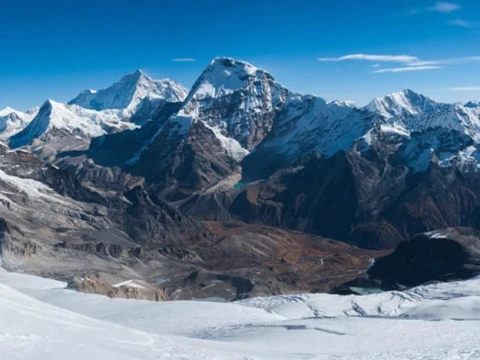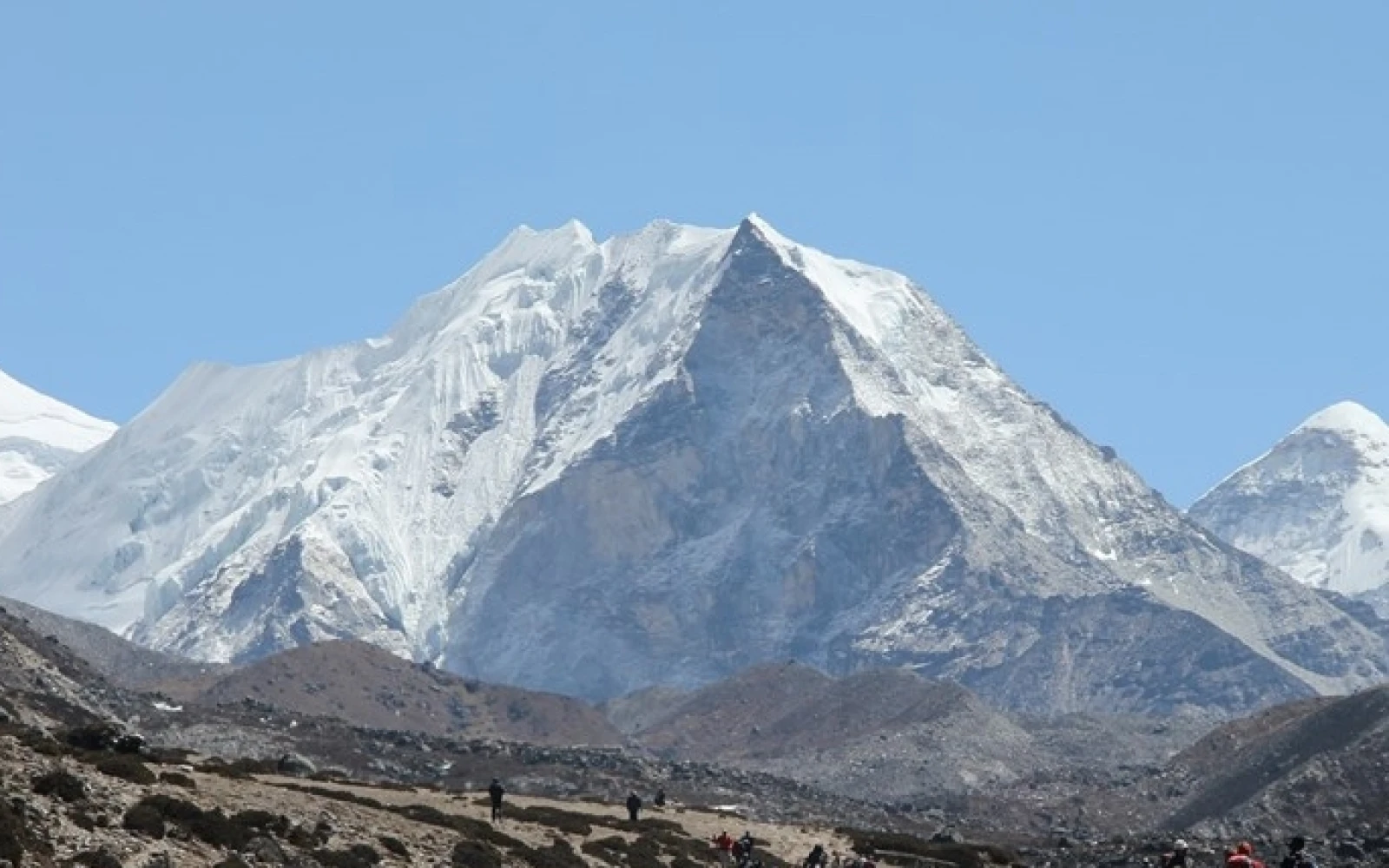
Island Peak Climbing in Nepal is one of the most exciting Himalayan climbing adventures, combining the classic Everest Base Camp trekking experience with an exhilarating ascent of Island Peak, also known as Imja Tse. Rising to 6,189 meters (20,305 feet), the peak offers an excellent introduction to high-altitude mountaineering while providing spectacular views of some of the world's highest mountains.
Organized by Nepal Adventure Pilgrimage Treks & Expedition, the journey takes you through the famous Khumbu region, including Lukla, Phakding, Namche Bazaar, Tengboche, Dingboche, Lobuche, Gorakshep, Everest Base Camp, and Kala Patthar before heading toward Chhukung and Island Peak Base Camp. The itinerary combines gradual acclimatization, challenging trekking, and technical climbing.
Island Peak Climbing is an ideal adventure for trekkers who want to progress from high-altitude trekking into Himalayan mountaineering. The route begins with a scenic flight from Kathmandu to Lukla and follows the renowned Everest Base Camp trail through Sherpa villages, Buddhist monasteries, suspension bridges, and dramatic mountain landscapes.
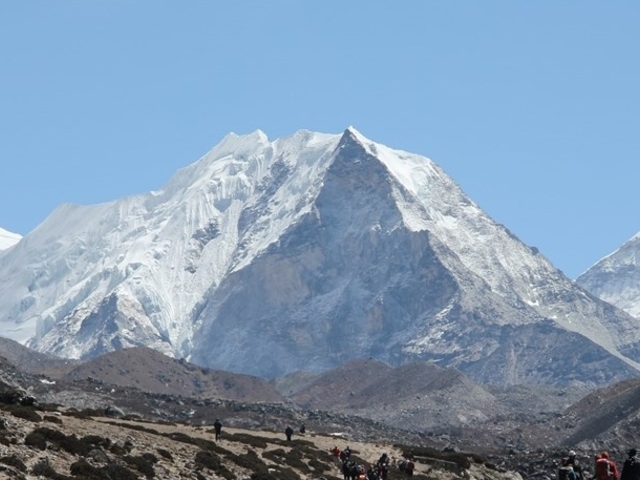
After reaching Everest Base Camp and Kala Patthar, the journey continues toward Dingboche and Chhukung Valley. From there, climbers approach Island Peak Base Camp and prepare for the summit attempt. The final ascent is demanding and requires physical endurance, proper acclimatization, and basic mountaineering skills.
Island Peak is located in the Khumbu region of northeastern Nepal, within the Everest mountain area. It stands in the Imja Valley near Chhukung and is surrounded by spectacular Himalayan peaks, including Lhotse, Nuptse, Ama Dablam, Makalu, and Baruntse. Its position provides climbers with extraordinary mountain scenery throughout the approach and ascent.
The mountain is commonly known as Imja Tse, while the name Island Peak comes from its appearance as an island rising above the surrounding glacial landscape when viewed from the Dingboche area. At 6,189 meters, it is high enough to provide a serious mountaineering experience without requiring the expedition commitment associated with Nepal's higher 7,000- or 8,000-meter peaks.
Island Peak is particularly attractive because it combines an established Everest-region trekking route with a genuine Himalayan climbing experience. Climbers get to experience the landscapes and cultural highlights of the Everest region before undertaking a summit climb involving glaciers, snow slopes, and technical sections.
The peak is also a popular choice for adventurers seeking their first Himalayan climbing experience. Although it should not be underestimated, Island Peak can provide valuable exposure to high-altitude climbing techniques under the guidance of experienced climbing professionals.
The best seasons for Island Peak Climbing are generally spring (March to May) and autumn (September to November). These periods usually offer favorable mountain conditions, relatively stable weather, good visibility, and suitable temperatures for trekking and climbing. Spring is particularly attractive because the surrounding lower valleys can be colorful with blooming rhododendrons.
Autumn generally provides crisp skies and excellent mountain visibility after the summer monsoon. Winter can bring severe cold, snow, and difficult climbing conditions, while the summer monsoon can produce rain, clouds, slippery trails, and flight disruptions in the region. Choosing the appropriate season is therefore an important part of planning a successful expedition.
Spring: March, April and May
Island Peak Climbing is considered a challenging adventure that combines strenuous high-altitude trekking with technical mountaineering. The summit reaches 6,189 meters, so altitude is one of the primary challenges. The approach itself involves several days of trekking at elevations above 4,000 meters, requiring good acclimatization and endurance.
The summit day can be physically demanding and may involve steep snow and ice sections, glacier travel, and the use of mountaineering equipment such as crampons, harnesses, ropes, and an ice axe. Previous climbing experience is helpful, but appropriate training and professional guidance are essential for climbers attempting Island Peak for the first time.
Island Peak Climbing with Nepal Adventure Pilgrimage Treks & Expedition follows a carefully designed route through the Everest region, combining the classic Everest Base Camp trek with an ascent of Island Peak. The journey begins in Kathmandu and continues with a scenic flight to Lukla, followed by trekking through Phakding, Namche Bazaar, Tengboche, Dingboche, Lobuche, and Gorakshep. After visiting Everest Base Camp and hiking to Kala Patthar, the trail turns toward Chhukung Valley and Island Peak Base Camp.
The climbing section begins after reaching Island Peak Base Camp, where climbers prepare for the summit attempt. The summit day is the most demanding part of the adventure, involving an early start, steep climbing terrain, glacier sections, and the final ascent to 6,189 meters. After reaching the summit, the team descends to Chhukung and continues back through Tengboche, Namche Bazaar, and Lukla before flying back to Kathmandu.
Island Peak is a protected Himalayan climbing destination, so climbers need the appropriate permits and official documentation before beginning the expedition. The exact permit requirements and fees can change depending on Nepal's regulations and the climbing season. Nepal Adventure Pilgrimage Treks & Expedition can assist with arranging the required permits and coordinating the necessary administrative procedures.
In addition to permits, climbers should be properly prepared for a high-altitude expedition. A valid passport, appropriate travel documentation, travel insurance covering high-altitude trekking and climbing, and relevant emergency information should be organized before departure. Climbers should also follow the instructions of their guides and comply with local conservation and trekking regulations throughout the journey.
Essential Equipment and Packing List
Proper equipment is essential for a safe and comfortable Island Peak expedition. The trek passes through a wide range of elevations and weather conditions, from relatively mild lower valleys to freezing temperatures around the summit. Clothing should therefore be layered so that it can be adjusted according to changing temperatures and activity levels.
For the climbing section, additional technical equipment is required. Depending on the current climbing conditions and the expedition arrangement, this can include crampons, an ice axe, climbing harness, helmet, ropes, and appropriate high-altitude footwear. Nepal Adventure Pilgrimage Treks & Expedition can advise climbers about which equipment is provided by the company and which personal items should be brought from home.
Island Peak Climbing requires a good level of physical fitness because the expedition combines long-distance trekking, high altitude, steep terrain, and a demanding summit day. Climbers should prepare their cardiovascular endurance well before arriving in Nepal. Activities such as hiking, running, cycling, stair climbing, and long-distance walking can help develop the endurance required for the route.
Strength training is also useful, particularly for the legs and core. Climbers should gradually increase the duration and difficulty of their training rather than attempting extremely demanding workouts immediately before the trip. Previous trekking or mountaineering experience is beneficial, although beginners with suitable fitness, preparation, acclimatization, and professional guidance can undertake the climb.
Acclimatization is one of the most important aspects of Island Peak Climbing because the itinerary reaches elevations above 6,000 meters. The route is designed to provide gradual altitude gain, with an acclimatization day in Namche Bazaar and additional time spent at high-altitude settlements such as Dingboche. These stops allow the body to begin adapting to reduced oxygen levels before the Island Peak summit attempt.
Altitude sickness can affect anyone regardless of age or fitness level, so climbers should pay close attention to how they feel throughout the trek. Headache, nausea, unusual fatigue, dizziness, and difficulty sleeping can be warning signs that should not be ignored. Staying hydrated, maintaining a sensible pace, eating sufficiently, and informing the guide immediately about concerning symptoms are important parts of responsible high-altitude trekking.
During the Island Peak Climbing journey, Nepal Adventure Pilgrimage Treks & Expedition arranges accommodation and trekking support along the Everest region route. Most nights are spent in teahouses or mountain lodges, where trekkers can rest after long days of walking. Facilities become increasingly basic as the trail gains altitude, particularly around Gorakshep, Chhukung, and Island Peak Base Camp.
Meals generally include a combination of local and international dishes. Dal bhat, noodles, pasta, rice, potatoes, soups, vegetables, eggs, bread, and other energy-rich foods are commonly available in teahouses. At higher elevations, food choices may be more limited, so maintaining adequate calorie and fluid intake is important for the demanding trek and climbing section.
The cost of Island Peak Climbing depends on several factors, including the duration of the itinerary, climbing permits, guide and Sherpa support, accommodation, meals, transportation, equipment, and the services included in the package. The 17-day itinerary combining Everest Base Camp and Island Peak generally requires a larger budget than a standard Everest Base Camp trek because of the additional climbing logistics and technical support.
When planning with Nepal Adventure Pilgrimage Treks & Expedition, climbers should confirm exactly what is included in the package before booking. Costs can also vary according to the season, group size, accommodation standards, equipment requirements, and changes to government or local permit fees. Personal expenses such as international flights, travel insurance, personal shopping, tips, and additional accommodation may be separate.
Island Peak Climbing combines high-altitude trekking with technical climbing, so safety should remain a priority throughout the expedition. Weather, altitude, cold temperatures, steep terrain, glacier conditions, fatigue, and rapidly changing mountain conditions can all create challenges. Climbers should follow the instructions of their professional guides and avoid rushing the itinerary simply to reach the summit.
One of the most important safety principles is recognizing altitude-related symptoms early. Climbers should immediately communicate headaches, nausea, dizziness, unusual weakness, breathing difficulties, or other concerning symptoms to their guide. Proper acclimatization, hydration, adequate nutrition, suitable clothing, and a willingness to turn around when conditions are unsafe can significantly improve the overall safety of the expedition.
Climbing Island Peak with experienced guides and Sherpa support provides valuable assistance throughout both the trekking and climbing portions of the expedition. Nepal Adventure Pilgrimage Treks & Expedition can coordinate professional trekking and climbing staff who understand the Khumbu region, high-altitude conditions, route management, and the practical challenges of climbing Island Peak.
Sherpa climbing support can be especially valuable during the technical sections of the ascent. Guides and climbing staff can help with route decisions, pacing, equipment use, rope systems, and overall expedition coordination. Their experience can also help the team respond appropriately when weather, altitude, fatigue, or trail conditions require changes to the planned schedule.
Island Peak Climbing is an excellent choice for adventurous trekkers who want to experience more than a conventional Himalayan trek. The combination of Everest Base Camp, Kala Patthar, the dramatic Khumbu landscape, and a 6,189-meter summit makes the journey a memorable introduction to Himalayan peak climbing. However, it is a serious high-altitude adventure and requires preparation rather than being treated as an ordinary trekking holiday.
If you have good physical fitness, a strong sense of adventure, adequate preparation, and the willingness to follow professional guidance, Island Peak can be a rewarding challenge. Nepal Adventure Pilgrimage Treks & Expedition can help organize the trekking, climbing logistics, permits, accommodation, guides, and Sherpa support needed for the expedition.