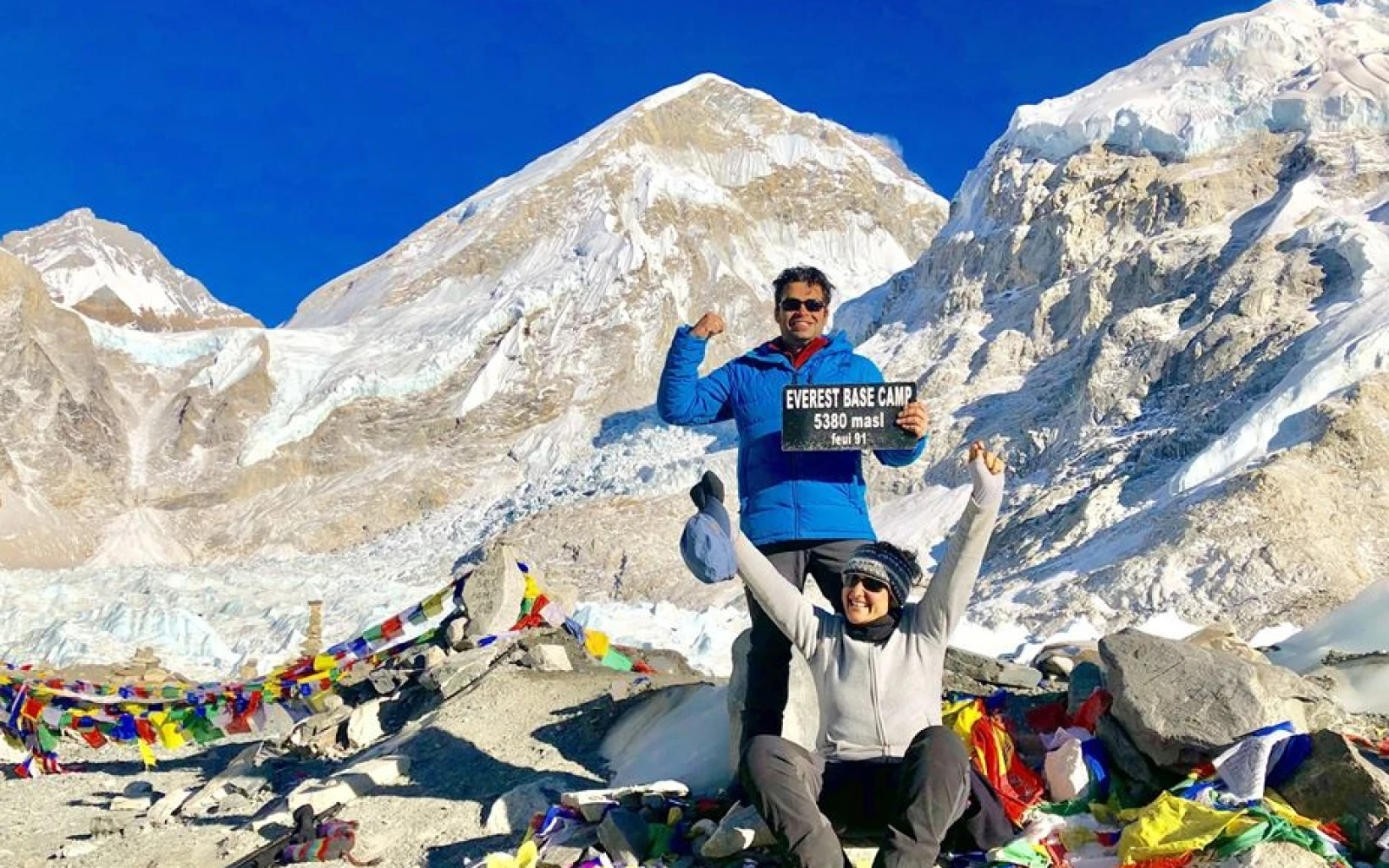
The Everest Base Camp Trek via Gokyo Lakes and Gokyo Ri is a high-altitude Himalayan adventure that combines two of the most iconic trekking regions in the Everest/Khumbu area. The journey passes through traditional Sherpa villages, glacier valleys, alpine lakes, and high mountain passes, ultimately connecting the classic Everest Base Camp trail with the quieter and more scenic Gokyo Valley route.
Starting from Kathmandu and flying into Tenzing-Hillary Airport, Lukla, the trek gradually ascends through iconic locations such as Phakding, Namche Bazaar, and Tengboche Monastery before reaching higher alpine settlements. The route then crosses challenging terrain via Cho La Pass and continues toward the turquoise lakes of Gokyo and the panoramic summit of Gokyo Ri.
What to expect:
The classic Everest Base Camp journey is one of the world’s most famous trekking experiences, but it can often feel crowded during peak seasons. The Gokyo Lakes and Gokyo Ri variation offers a quieter, more scenic alternative that still reaches Everest Base Camp while adding remote valleys and dramatic Himalayan crossings.
This route is designed for trekkers who want both adventure and solitude. Instead of returning the same way, the trail forms a loop through the Gokyo region, creating a more diverse landscape experience. The presence of sacred lakes, glacier viewpoints, and fewer trekkers makes this version of the trek feel more expansive and immersive.
Key highlights of this introduction route:
Choosing the Gokyo Lakes route over the traditional Everest Base Camp path comes down to scenery, solitude, and adventure variety. The Gokyo Valley is famous for its deep turquoise glacial lakes and the iconic viewpoint of Gokyo Ri, which many trekkers consider one of the best panoramic spots in the entire Everest region.
Unlike the busier main trail, this route allows trekkers to experience a more peaceful Himalayan environment while still reaching major highlights like Everest Base Camp and Kala Patthar. The inclusion of Cho La Pass adds a technical and adventurous crossing, making the journey more rewarding for experienced trekkers.
Reasons to choose this route:
This itinerary is a well-structured loop combining the traditional Everest Base Camp trail with the Gokyo Valley circuit. Starting with a flight into Lukla, the trek follows the classic Khumbu route up to Namche Bazaar, then continues toward Everest Base Camp before diverting toward the high alpine crossing of Cho La Pass into the Gokyo region.
The return journey descends through Dole and Namche Bazaar before concluding with a flight back to Kathmandu. This circular approach reduces repetition and maximizes scenic diversity, glacier exposure, and cultural encounters along the way.
This full experience is typically organized by professional trekking companies such as Nepal Adventure pilgrimage Treks & Expedition, ensuring safety, logistics, permits, and experienced guides throughout the journey.
Route breakdown highlights:
Reaching Everest Base Camp is the emotional and symbolic highlight of the entire journey. Standing at the foot of the world’s highest peak, Mount Everest, surrounded by massive glaciers and icefalls, creates a powerful sense of achievement and awe. It is not just a destination—it is a once-in-a-lifetime milestone for trekkers from around the world.
The experience of arriving at Base Camp is shaped by altitude, atmosphere, and the raw beauty of the Khumbu Icefall. While there are no summit views of Everest from Base Camp itself, the energy of the location, combined with expedition activity, makes it unforgettable. Trekkers often describe it as both humbling and inspiring.
What makes Everest Base Camp special:
The Gokyo Lakes are a stunning series of high-altitude glacial lakes located in the Gokyo Valley. Known for their deep turquoise color and sacred significance, these lakes are considered one of the highest freshwater lake systems in the world. Their beauty contrasts dramatically with the rugged Himalayan landscape surrounding them.
For many trekkers, the Gokyo Lakes feel like a hidden paradise compared to the busier Everest Base Camp trail. The area is quieter, more reflective, and deeply spiritual, especially for both local Sherpa communities and Buddhist pilgrims. The lakes are also part of a UNESCO-recognized natural landscape within the Sagarmatha region.
Highlights of Gokyo Lakes:
Gokyo Ri is widely considered one of the finest viewpoints in the entire Himalayas, offering a 360-degree panorama of towering peaks including Everest, Lhotse, Makalu, and Cho Oyu. The climb is short but steep, making it a challenging early morning ascent at high altitude.
Unlike Kala Patthar, which provides a closer view of Everest, Gokyo Ri offers a wider and more cinematic landscape. The perspective includes the vast Ngozumpa Glacier—the largest glacier in Nepal—along with a chain of turquoise lakes below, creating a breathtaking contrast of ice, rock, and water.
Why Gokyo Ri is a top viewpoint:
The Everest Base Camp Trek via Gokyo Lakes follows a carefully structured route that balances gradual acclimatization with high-altitude adventure. Starting from Kathmandu, the journey quickly transitions into mountain life after the flight to Lukla, followed by steady ascents through iconic Sherpa villages and alpine landscapes.
Each day brings a new environment—lush forests, suspension bridges, glacial valleys, and high mountain passes like Cho La Pass. The itinerary includes both major highlights, such as Everest Base Camp and scenic detours into the Gokyo Valley, creating a complete Himalayan circuit.
Typical day-by-day experience:
Key experience points:
All arrangements for this complete journey are professionally managed by Nepal Adventure pilgrimage Treks & Expedition, ensuring safety, logistics, and experienced mountain guidance throughout the trek.
The Everest Base Camp Trek via Gokyo Lakes and Gokyo Ri is considered a challenging high-altitude trek, mainly due to long trekking days, steep ascents, and extreme elevation rather than technical climbing difficulty. Trekkers do not need mountaineering skills, but strong stamina and mental endurance are essential to complete the journey comfortably.
The biggest physical challenge is not distance alone, but the progressive altitude gain, reaching above 5,500 meters at points like Gokyo Ri and Everest Base Camp. Even fit trekkers may feel fatigue, a slower walking pace, and reduced appetite as altitude increases.
Main difficulty factors:
Common surprises for trekkers:
This trek is best managed with proper pacing and support from experienced operators like Nepal Adventure pilgrimage Treks & Expedition.
Acclimatization is one of the most important aspects of the Everest Base Camp and Gokyo Lakes trek. As trekkers ascend above 3,000 meters, the oxygen level drops significantly, making it essential to include rest days and gradual ascent patterns to allow the body to adapt.
Altitude sickness (AMS – Acute Mountain Sickness) can affect anyone, regardless of fitness level. Common symptoms include headache, nausea, dizziness, and shortness of breath. Proper hydration, slow pacing, and acclimatization hikes—such as those near Namche Bazaar and Dingboche—are critical for safety.
Acclimatization guidelines:
Altitude sickness risks to watch:
Professional guidance from Nepal Adventure pilgrimage Treks & Expedition ensures proper monitoring and emergency response if needed.
The best seasons for the Everest Base Camp Trek via Gokyo Lakes are spring (March–May) and autumn (September–November). These periods offer the clearest mountain views, stable weather, and comfortable trekking conditions, making them ideal for both beginners and experienced trekkers.
Spring brings blooming rhododendron forests and slightly warmer temperatures, while autumn offers crystal-clear skies after the monsoon season. Both seasons provide excellent visibility of peaks like Everest, Lhotse, Makalu, and Cho Oyu from viewpoints such as Gokyo Ri.
Seasonal breakdown:
Key expectations by season:
Trekking with experienced operators like Nepal Adventure pilgrimage Treks & Expedition helps manage seasonal risks and logistics.
Teahouse trekking is a defining feature of the Everest region experience. Along the route to Everest Base Camp and through the Gokyo Valley, trekkers stay in small, family-run lodges that provide basic accommodation, meals, and warm hospitality. These teahouses become social hubs where trekkers from around the world gather each evening.
The Sherpa culture is deeply rooted in Tibetan Buddhism, mountain traditions, and hospitality. Villages such as Namche Bazaar and Tengboche Monastery offer cultural insight through monasteries, prayer flags, and daily rituals that reflect strong spiritual connections to the Himalayas.
Teahouse life highlights:
Sherpa cultural experiences:
This cultural journey is a key part of the experience organized by Nepal Adventure pilgrimage Treks & Expedition, ensuring respectful and meaningful engagement with local communities.
Packing correctly for the Everest Base Camp Trek via Gokyo Lakes and Gokyo Ri is essential because the journey covers a wide range of altitudes—from Lukla to high passes like Cho La Pass and viewpoints such as Gokyo Ri. Weather can change quickly, so layering and lightweight but warm gear are the key principles.
Trekkers must prepare for both warm daytime hikes and freezing nighttime temperatures above 4,000 meters. A balanced packing strategy ensures comfort, safety, and efficiency throughout the trek, especially during long trekking days leading to Everest Base Camp.
Essential packing list:
Important tips:
All logistics and equipment guidance are carefully supported by Nepal Adventure pilgrimage Treks & Expedition.
The Everest region requires specific trekking permits to ensure conservation and regulated tourism. These permits are checked at various entry points along the route to Everest Base Camp and the Gokyo Valley. Travelers must carry valid documentation at all times during the trek.
Costs vary depending on services such as flights, guide/porter support, accommodation, food, and season. Flights to Tenzing-Hillary Airport, Lukla, are one of the major expenses, along with trekking permits and daily teahouse costs in high-altitude regions.
Required permits:
Estimated cost components:
Logistics overview:
Professional arrangements are typically handled by Nepal Adventure pilgrimage Treks & Expedition to ensure smooth logistics and permit management.
The Gokyo–Everest Base Camp route is more demanding than the standard Everest Base Camp trek because it includes high mountain passes, longer trekking days, and less-traveled sections of the Himalayas. One of the biggest challenges is crossing Cho La Pass, which can involve snow, ice, and steep ascents.
Altitude is another major factor, especially around Gokyo Ri and the higher sections near Everest Base Camp. Trekkers must also deal with unpredictable Himalayan weather, including sudden snowfall, strong winds, and temperature drops.
Main challenges:
Unexpected difficulties:
Despite these challenges, experienced support from Nepal Adventure pilgrimage Treks & Expedition ensures safety, pacing, and proper acclimatization throughout the journey.
The Everest Base Camp Trek via Gokyo Lakes and Gokyo Ri is widely considered one of the most rewarding trekking experiences in the world. It combines the iconic achievement of reaching Everest Base Camp with the breathtaking beauty of the Gokyo Valley, offering a complete Himalayan adventure.
What makes this route truly special is its diversity—trekkers experience glaciers, turquoise lakes, high passes, Sherpa culture, and panoramic viewpoints like Gokyo Ri all in one journey. It is physically demanding, but the emotional and visual rewards far outweigh the challenges.
Why this trek is worth it:
Final reflection points:
With expert guidance from Nepal Adventure pilgrimage Treks & Expedition, this trek becomes not just a journey to Everest, but a once-in-a-lifetime Himalayan story.

The Everest Base Camp (EBC) Trek is more than just a trek; it is an extraordinary journey that combines natural beauty, cultural experiences, and the thrill of adventure. Managed by Nepal Adventure Pilgrimage Treks & Expedition, this trek takes you through the heart of the Himalayas, passing through Sherpa villages, ancient monasteries, and rugged
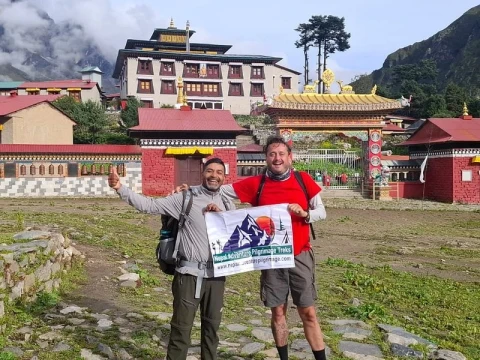
The Everest Base Camp journey is traditionally known as a rugged, high-altitude adventure, but in recent years it has evolved into a refined “luxury trekking” experience that blends raw Himalayan wilderness with comfort, safety, and personalized service. This itinerary—from arrival in Kathmandu to the dramatic flight into Lukla Airport and onward

The Gokyo Lake Trek in Nepal is one of the most scenic high-altitude trekking routes in the Everest region, offering dramatic Himalayan landscapes, turquoise glacial lakes, and a quieter alternative to the classic Everest Base Camp trail. This 12–13-day journey takes you from the bustling capital of Kathmandu to the serene valleys of the Khumbu