The Gokyo Lake Trek in Nepal is one of the most scenic high-altitude trekking routes in the Everest region, offering dramatic Himalayan landscapes, turquoise glacial lakes, and a quieter alternative to the classic Everest Base Camp trail. This 12–13-day journey takes you from the bustling capital of Kathmandu to the serene valleys of the Khumbu, passing through traditional Sherpa villages, alpine forests, and eventually reaching the stunning Gokyo Valley.
This itinerary is carefully designed to balance adventure with acclimatisation, making it suitable for trekkers with moderate fitness and a strong sense of adventure. Organised by Nepal Adventure pilgrimage Treks & Expedition, the trek ensures safety, experienced local guides, and a culturally rich Himalayan experience from start to finish.
Key points:
The Gokyo Lakes Trek is often considered a quieter and more peaceful alternative to the crowded Everest Base Camp route. Instead of following the main trail to Base Camp, this journey branches off toward the Gokyo Valley, where trekkers are rewarded with pristine alpine lakes and breathtaking panoramic views of Everest, Lhotse, Makalu, and Cho Oyu.
Unlike the busier Everest Base Camp route, this trek emphasises natural beauty, solitude, and reflection. The highlight is the climb to Gokyo Ri, where the sunrise view over the Himalayan giants is widely regarded as one of the best viewpoints in the entire Everest region.
Why choose this trek:
This trek also allows gradual acclimatisation, especially with rest days around Namche Bazaar, making it a safer and more enjoyable high-altitude adventure.
The Gokyo Lake Trek is located in the northeastern part of Nepal, within the famous Khumbu region of the Himalayas. The journey begins with a scenic mountain flight from Kathmandu to Lukla Airport, one of the most thrilling airstrips in the world, before entering the heart of the Everest trekking region.
From Lukla, the trail passes through iconic Sherpa settlements like Phakding and Namche Bazaar, which serves as the main trading and acclimatisation hub of the region. Beyond Namche, the trail diverges from the main Everest Base Camp route and climbs toward quieter alpine zones leading to Gokyo Valley.
Location highlights:
This remote setting gives trekkers a deep sense of isolation and immersion in high-altitude wilderness.
One of the biggest attractions of the Gokyo Lakes Trek is the chain of six sacred glacial lakes in the Gokyo Valley. These lakes shimmer in shades of turquoise and blue, fed by the Ngozumpa Glacier, the largest glacier in Nepal. The setting is both spiritually significant and visually unforgettable.
The ultimate highlight is the climb to Gokyo Ri (5,357 m), a challenging but rewarding ascent that offers one of the most spectacular panoramic views in the Himalayas. From the summit, trekkers can see four of the world’s highest peaks in a single sweep—Everest, Lhotse, Makalu, and Cho Oyu.
Major highlights:
Overall, the Gokyo Lakes Trek combines adventure, spirituality, and raw Himalayan beauty, making it one of the most rewarding trekking experiences in Nepal.
The best time to undertake the Gokyo Lake Trek in the Everest region is during the stable trekking seasons of spring (March to May) and autumn (September to November). These months offer clear mountain views, stable weather conditions, and comfortable daytime temperatures, making them ideal for high-altitude trekking. Organised expeditions by Nepal Adventure pilgrimage Treks & Expedition are especially popular during these seasons due to optimal visibility of Himalayan peaks and safer trail conditions.
Spring brings blooming rhododendron forests, lush landscapes, and gradually warming temperatures, while autumn is known for crystal-clear skies after the monsoon and excellent mountain photography conditions. Winter and monsoon seasons are possible but more challenging due to extreme cold, snow-blocked trails, or heavy rainfall.
Seasonal breakdown:
The standard 12–13-day Gokyo Lake Trek itinerary begins in Kathmandu and follows a gradual ascent into the Everest region, ensuring proper acclimatisation and safety. The journey includes a scenic flight to Lukla Airport and trekking through beautiful Sherpa villages such as Phakding, Namche Bazaar, Dole, and Machhermo before reaching the breathtaking Gokyo Valley.
Each day of the trek is carefully planned to balance walking hours with altitude gain, allowing trekkers to adjust to thinning air. A key highlight is the acclimatisation stop at Namche Bazaar, followed by a gradual climb toward the high alpine lakes and finally the iconic Gokyo Ri viewpoint.
Day-by-day itinerary summary:
Key highlights:
The Gokyo Lake Trek is considered a moderate to challenging trek due to its high altitude, long trekking days, and steep ascents in certain sections. While technical climbing skills are not required, trekkers must be physically fit and mentally prepared for walking 5–7 hours daily in varying terrain and oxygen levels.
Proper preparation significantly improves the trekking experience. Cardiovascular fitness, endurance training, and hiking practice with a backpack are strongly recommended before joining an organised trek with Nepal Adventure pilgrimage Treks & Expedition. Altitude sickness awareness is also important, especially above 4,000 meters.
Fitness requirements:
Challenges on the trek:
Trekking in the Everest region requires official permits issued by the Government of Nepal and local authorities. These permits help preserve the environment and regulate tourism in protected areas such as the Sagarmatha region. Travellers joining Nepal Adventure pilgrimage Treks & Expedition usually have all permits arranged in advance, making the process smooth and hassle-free.
The main required permits include the TIMS card and the Sagarmatha National Park entry permit. These documents are checked at multiple points along the trail, especially near park entry gates and village checkpoints. Additional local municipality fees may also apply, depending on current regulations.
Required permits:
Important notes:
The cost of the Gokyo Lake Trek varies depending on whether you choose a budget independent style or a fully guided package with a registered trekking company like Nepal Adventure pilgrimage Treks & Expedition. On average, guided packages are more convenient because they include permits, accommodation, meals, guides, porters, and logistics such as flights to Lukla.
Budget trekking may appear cheaper at first, but hidden expenses such as emergency costs, food variability, guide hiring on the spot, and unpredictable accommodation rates in high season often increase the total expenditure. Guided treks, while slightly more expensive upfront, provide better safety, fixed pricing, and organised support in remote Himalayan terrain.
Cost breakdown overview:
Hidden expenses to consider:
Accommodation on the Gokyo Lake Trek is primarily in traditional mountain tea houses, which are small, family-run lodges offering basic but comfortable lodging. Rooms are usually twin-sharing with simple beds, blankets, and shared bathrooms. As altitude increases, facilities become more basic, but hospitality remains warm and welcoming throughout the Khumbu region.
Food on the trail is simple, high-calorie, and designed to support trekking energy needs. Dal Bhat (rice, lentils, and vegetables) is the most popular meal and is often unlimited in serving. Other options include noodles, soups, pasta, eggs, and Tibetan bread. With Nepal Adventure pilgrimage Treks & Expedition, trekkers are guided to safe and hygienic food choices to maintain energy and avoid stomach issues at high altitude.
Accommodation highlights:
Food options:
What to expect:
Packing correctly for the Gokyo Lake Trek is essential because weather conditions in the Himalayas change rapidly. Layers are the key principle—trekkers should be prepared for warm daytime hikes and freezing nights at higher altitudes. A well-planned packing list ensures comfort, safety, and better performance during long trekking days.
When trekking with Nepal Adventure pilgrimage Treks & Expedition, trekkers are often advised to keep gear lightweight but complete, as porters carry the main luggage while you only carry a daypack. Proper gear reduces the risk of cold exposure, altitude discomfort, and fatigue.
Clothing essentials:
Footwear:
Gear & essentials:
Personal items:
Altitude sickness, also known as Acute Mountain Sickness (AMS), is one of the most important risks on the Gokyo Lake Trek because the route reaches elevations above 5,000 meters, especially at Gokyo Ri. Symptoms can include headache, nausea, dizziness, and shortness of breath. Proper acclimatisation and slow ascent are essential for a safe trekking experience.
Guided treks organised by Nepal Adventure pilgrimage Treks & Expedition follow structured itineraries with built-in acclimatisation days, especially in places like Namche Bazaar, which significantly reduces the risk of AMS. Trekkers are also advised to stay hydrated, avoid alcohol, and ascend gradually.
AMS prevention tips:
Warning symptoms:
Safety measures:
Both the Gokyo Ri Trek and the Everest Base Camp Trek take you deep into the heart of the Everest region, but they offer very different experiences. The Gokyo route is known for its quieter trails, turquoise glacial lakes, and the breathtaking panorama from Gokyo Ri, while the Everest Base Camp route focuses more on reaching the base of the world’s highest mountain, Mount Everest. Choosing between them depends on whether you prioritise scenery, crowds, or the symbolic achievement of standing at Base Camp.
From a trekking perspective, Gokyo Ri is often considered more visually rewarding, offering one of the best panoramic viewpoints in the Himalayas, including Everest, Lhotse, Makalu, and Cho Oyu. In contrast, Everest Base Camp provides a closer encounter with the Khumbu Icefall and expedition culture but lacks a single high viewpoint as expansive as Gokyo Ri. Organised journeys by Nepal Adventure pilgrimage Treks & Expedition often help trekkers combine both routes through the Cho La Pass for a more complete experience.
Comparison overview:
Difficulty comparison:
Key takeaway:
The Gokyo Lake Trek passes through Sagarmatha National Park, a UNESCO World Heritage Site known for its dramatic landscapes and rich Himalayan biodiversity. The lower sections of the trek feature lush forests of rhododendron, pine, and birch, while higher altitudes transition into alpine meadows, rocky terrain, and glacier-fed valleys.
Wildlife in the region is adapted to extreme altitudes and harsh conditions. Trekkers may occasionally spot Himalayan tahr, musk deer, and colourful pheasants, while elusive snow leopards inhabit the higher, remote areas. The natural beauty is further enhanced by massive glaciers like the Ngozumpa Glacier and the turquoise Gokyo Lakes, which create a surreal contrast against snow-covered peaks.
Flora highlights:
Fauna highlights:
Natural beauty highlights:
The Gokyo Lake Trek is not only a natural adventure but also a deep cultural journey into the heart of the Sherpa homeland in the Everest region. The Sherpa people are known for their mountaineering skills, warm hospitality, and strong Buddhist traditions that shape daily life in mountain villages such as Namche Bazaar, Dole, and Machhermo.
Along the trail, trekkers will encounter monasteries, prayer wheels, mani walls, and colourful flags fluttering in the wind, all reflecting deep spiritual beliefs rooted in Tibetan Buddhism. With guidance from Nepal Adventure pilgrimage Treks & Expedition, travellers gain insight into Sherpa traditions, local customs, and respectful cultural practices while trekking through these sacred landscapes.
Cultural highlights:
Lifestyle insights:
Cultural experience tips:
The journey to the Gokyo Lake Trek officially begins with a flight to Lukla Airport, also known as Tenzing-Hillary Airport. This small mountain airstrip is considered one of the most adventurous airports in the world due to its short runway and dramatic Himalayan surroundings. Flights typically depart from Kathmandu or sometimes Ramechhap during peak seasons, depending on air traffic management.
Travellers joining a guided package with Nepal Adventure pilgrimage Treks & Expedition are assisted with flight bookings, timing coordination, and contingency planning for delays. Since the weather in the Himalayas can change rapidly, flights are often scheduled early in the morning, and delays or cancellations are common, requiring flexibility in your itinerary.
Flight logistics overview:
Important travel tips:
For first-time trekkers, the Gokyo Lake Trek is an unforgettable introduction to high-altitude adventure, but it also requires preparation and awareness. The combination of altitude, long walking hours, and changing weather can be challenging, so pacing yourself and staying mentally prepared is just as important as physical fitness.
With experienced support from Nepal Adventure pilgrimage Treks & Expedition, beginners receive proper guidance on acclimatisation, daily trekking rhythm, hydration, and safety practices. Following your guide’s instructions can significantly improve comfort and reduce risks during the journey.
Beginner-friendly tips:
Health & safety advice:
Mental preparation tips:
The Gokyo Lake Trek is widely considered one of the most rewarding trekking experiences in the Everest region. From shimmering turquoise lakes and massive glaciers to the breathtaking summit view from Gokyo Ri, the journey offers a perfect blend of adventure, natural beauty, and cultural immersion. It is less crowded than the Everest Base Camp route, making it ideal for trekkers seeking peace and raw Himalayan wilderness.
Travelling with a trusted operator like Nepal Adventure pilgrimage Treks & Expedition ensures that the experience is not only safe and well-organised but also culturally enriching. The combination of professional guidance, local expertise, and carefully planned itineraries allows trekkers to fully enjoy the majesty of the Himalayas without unnecessary stress.
Why it’s worth it:
Final takeaway:
In the end, the Gokyo Lake Trek is not just a journey through mountains—it is a deeply immersive experience into the heart of the Himalayas, leaving trekkers with memories that last a lifetime.
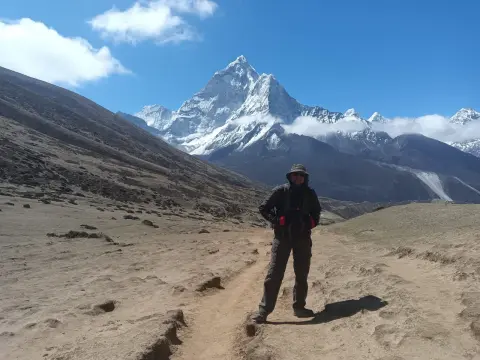
The Everest View Short Trek is one of the most accessible yet thrilling treks in the Himalayas, designed for travelers who want to experience the grandeur of the Everest region without committing to a long, strenuous expedition. Over the course of a few days, trekkers can enjoy majestic mountain vistas, charming Sherpa villages, and a glimpse
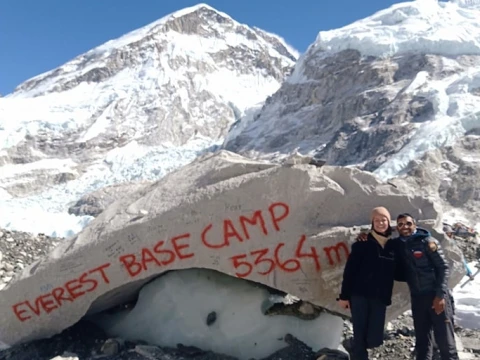
The long route to Everest Base Camp via Phaplu is a classic and less commercialized trekking approach that offers a deeper Himalayan experience. Unlike the short flight to Lukla, this overland journey gradually builds altitude, allowing trekkers to adapt naturally while passing through remote villages, terraced farmland, and untouched sections
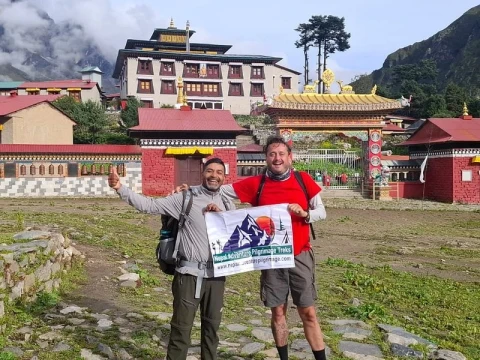
The Everest Base Camp journey is traditionally known as a rugged, high-altitude adventure, but in recent years it has evolved into a refined “luxury trekking” experience that blends raw Himalayan wilderness with comfort, safety, and personalized service. This itinerary—from arrival in Kathmandu to the dramatic flight into Lukla Airport and onward