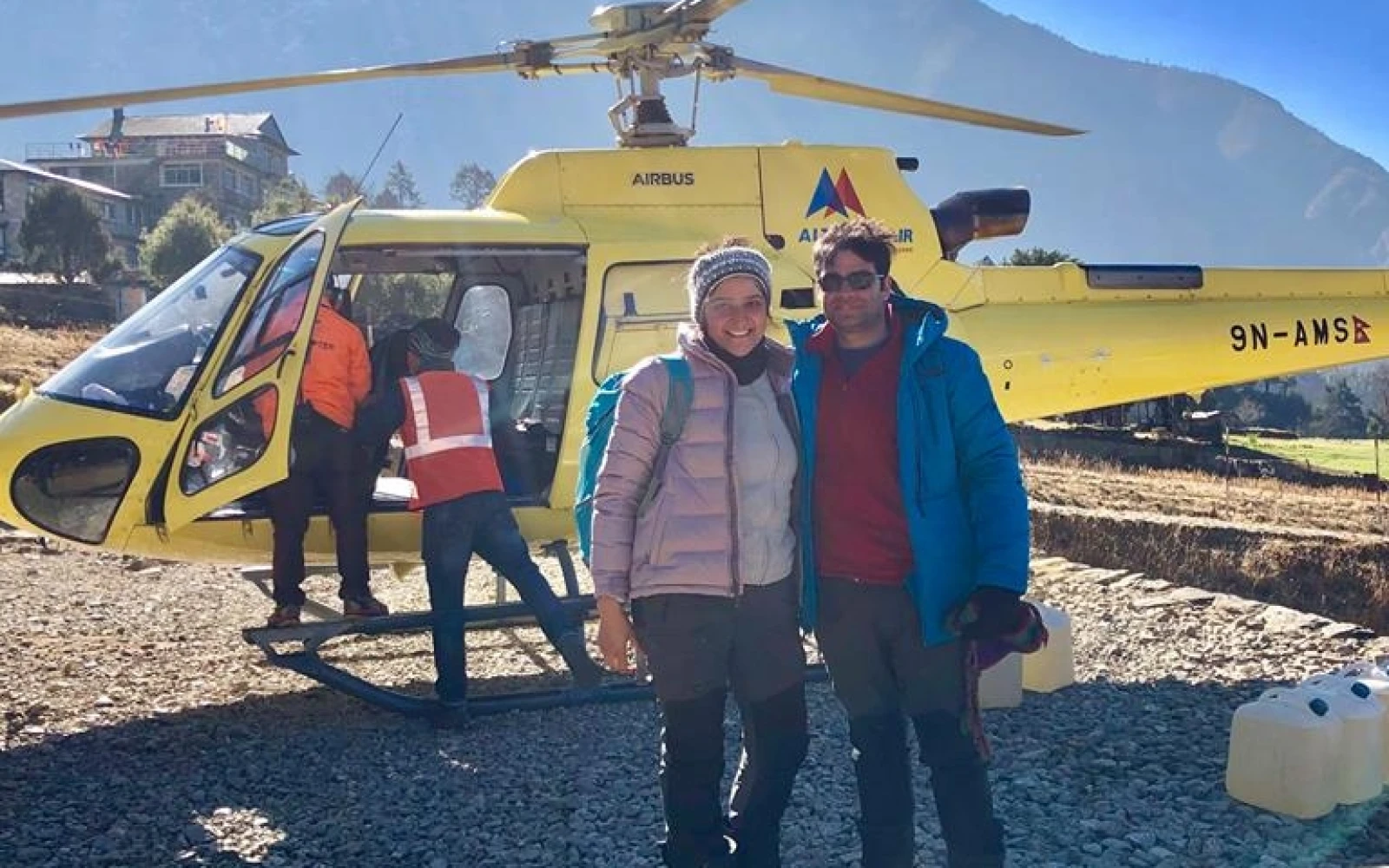
The Everest Base Camp Heli Trek is one of the most exciting ways to experience the legendary Everest region of Nepal. Designed for travelers who want to trek through the heart of the Khumbu while saving time on the return journey, this adventure combines scenic trekking, mountain views, Sherpa culture, Buddhist monasteries, and a spectacular helicopter flight from the Everest region back to Kathmandu. The journey begins in Kathmandu and continues by flight to Lukla before following the classic trail through Phakding, Namche Bazaar, Tengboche, Dingboche, Lobuche, Gorak Shep, and Everest Base Camp.
Organized by Nepal Adventure Pilgrimage Treks & Expedition, the trek is carefully planned with acclimatization days in Namche Bazaar and Dingboche to help trekkers adjust to increasing altitude. The adventure reaches its highest point at Kala Patthar (5,555 meters), offering extraordinary views of Mount Everest and surrounding Himalayan peaks, before the return journey by helicopter.
Key points:
The Everest Base Camp Heli Trek offers an ideal combination of adventure and convenience in the Everest region. Instead of returning to Lukla on foot after reaching the higher Khumbu Valley, trekkers can enjoy a helicopter flight from the Everest region to Kathmandu. This makes the journey especially attractive for travelers who want to experience the famous Everest Base Camp trail but have limited time for a longer return trek.
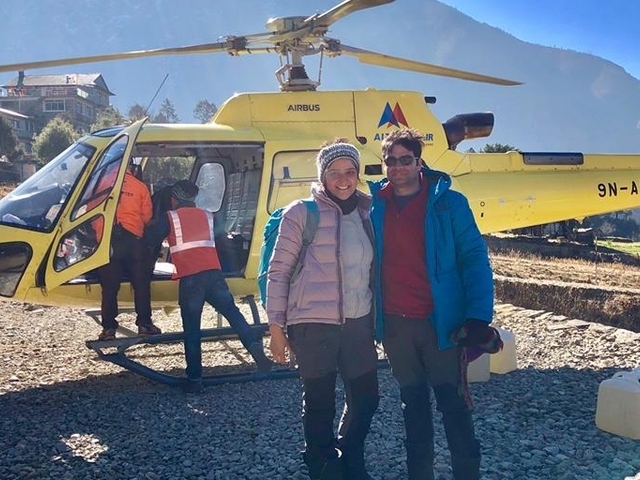
Despite the helicopter return, the journey still provides an authentic Himalayan trekking experience. You will walk through traditional Sherpa settlements, cross suspension bridges, explore Buddhist monasteries, and gradually ascend toward the world's highest mountain. The carefully arranged acclimatization stops allow travelers to experience the high-altitude environment at a more manageable pace.
Key points:
The Everest Base Camp Heli Trek is a high-altitude trekking adventure that follows the famous Everest Base Camp route and concludes with a helicopter flight back to Kathmandu. The itinerary begins with a flight from Kathmandu to Lukla, followed by trekking through Phakding, Namche Bazaar, Tengboche, Dingboche, Lobuche, and Gorak Shep before reaching Everest Base Camp.
The trek also includes important acclimatization days at Namche Bazaar and Dingboche. From these mountain settlements, trekkers explore higher elevations before continuing toward Everest Base Camp. After reaching Base Camp and staying overnight at Gorak Shep, the itinerary includes an early-morning hike to Kala Patthar for panoramic Himalayan views, followed by a scenic helicopter flight back to Kathmandu.
Key points:
Choosing a helicopter return makes the Everest Base Camp adventure more time-efficient while preserving the most memorable trekking sections of the route. Rather than walking several additional days back toward Lukla, trekkers can complete the high-altitude portion of the adventure and then enjoy a breathtaking aerial journey across the Himalayan landscape.
The helicopter flight also provides a unique perspective of the Everest region. From above, travelers can appreciate the dramatic contrast between deep valleys, glaciers, rugged mountain ridges, and towering Himalayan peaks. For visitors with limited vacation time who still want to experience Everest Base Camp on foot, this itinerary provides an attractive combination of trekking and aerial adventure.
Key points:
The Everest Base Camp Heli Trek is filled with memorable experiences from beginning to end. One of the first highlights is the exciting flight from Kathmandu to Lukla, followed by a gradual walk through the beautiful Khumbu Valley. The trail passes through villages, forests, suspension bridges, and mountain viewpoints before reaching Namche Bazaar, the lively gateway to the Everest region.
As the trek progresses, the landscape becomes increasingly dramatic. Trekkers visit Tengboche Monastery, acclimatize in Dingboche, walk toward Lobuche and Gorak Shep, and finally reach Everest Base Camp. The early-morning hike to Kala Patthar is another major highlight, offering an exceptional viewpoint of Mount Everest and neighboring peaks. The adventure concludes with a helicopter flight over the Himalayan terrain back to Kathmandu.
Major highlights:
The Everest Base Camp Heli Trek itinerary is designed as an 11-day Himalayan adventure, beginning with arrival in Kathmandu and ending with an exciting helicopter flight back from the Everest region. The trekking route gradually gains altitude and includes dedicated acclimatization days in Namche Bazaar and Dingboche. These rest and exploration days are important parts of the itinerary because they allow trekkers to become more accustomed to the increasing elevation before continuing toward Everest Base Camp.
The main trekking section passes through Phakding, Namche Bazaar, Tengboche, Dingboche, Lobuche, Gorak Shep, and Everest Base Camp. After visiting Base Camp, trekkers return to Gorak Shep for the night. The following morning, they hike to Kala Patthar at 5,555 meters for an unforgettable Himalayan panorama before taking a helicopter flight back to Kathmandu. The final day is reserved for the international departure.
The best time for the Everest Base Camp Heli Trek is generally during the spring and autumn seasons, when the weather in the Everest region is more stable, and the mountain views are usually clear. March to May is the spring trekking season, bringing mild temperatures, blooming rhododendrons, and excellent views of the Himalayan peaks. This period is especially attractive for travelers who want to enjoy colorful landscapes along with their high-altitude adventure.
September to November is another excellent period for the trek. After the monsoon season, the skies are often clear, the mountain air is crisp, and visibility can be excellent. Winter trekking is possible for experienced travelers with suitable preparation, while the monsoon months can bring cloud, rain, and flight disruptions. Since the helicopter flight is weather-dependent, choosing a season with generally favorable conditions is particularly important.
Key points:
The Everest Base Camp Heli Trek provides an extraordinary combination of natural scenery, mountain culture, and Himalayan heritage. From the moment you fly toward Lukla, the landscape changes dramatically from the urban environment of Kathmandu to green hills, deep valleys, rushing rivers, and snow-covered mountains. During the trek, you walk through traditional Sherpa villages and forests before entering the rugged high-altitude landscapes of the Khumbu.
The journey also offers opportunities to experience Buddhist culture and Himalayan traditions. Namche Bazaar provides a glimpse into Sherpa life, while Tengboche Monastery introduces trekkers to the spiritual heritage of the Everest region. Higher on the trail, the landscape becomes increasingly dramatic, with glaciers, rocky valleys, and magnificent mountain peaks surrounding the route.
Key points:
Reaching Everest Base Camp at 5,364 meters is the central achievement of this Himalayan adventure. The trail from Lobuche leads toward Gorak Shep and then continues through the dramatic high-altitude terrain surrounding the Khumbu Glacier. Standing at Base Camp provides a powerful sense of accomplishment as you experience the landscape associated with climbers preparing for expeditions to the world's highest mountain.
The following morning, the journey reaches another major highlight with an early hike to Kala Patthar at 5,555 meters. Kala Patthar is famous for its panoramic views of Mount Everest and neighboring Himalayan peaks. After enjoying the mountain scenery, the itinerary continues with a helicopter flight, creating an unforgettable aerial perspective of the landscapes you have crossed on foot.
Key points:
The cost of the Everest Base Camp Heli Trek depends on several factors, including the trekking season, group size, accommodation category, helicopter arrangements, permits, domestic flights, and the services selected. Because the helicopter flight is an important component of this itinerary, the overall cost is generally higher than that of a standard Everest Base Camp trek returning to Lukla on foot.
Nepal Adventure Pilgrimage Treks & Expedition can provide a customized quotation based on your preferred travel dates, group size, and service requirements. The package can be arranged for private groups, couples, families, or individual travelers, with the exact price confirmed according to the selected services and current operating conditions.
Key points:
The Everest Base Camp Heli Trek package generally covers the major services required for the trekking adventure. These can include airport transfers, accommodation in Kathmandu and the trekking region, domestic flights, trekking permits, an experienced trekking guide, porters, and the scheduled helicopter flight from the Everest region to Kathmandu. The exact inclusions should always be confirmed with Nepal Adventure Pilgrimage Treks & Expedition before booking.
Personal expenses and services outside the agreed itinerary are normally excluded. Travelers should budget separately for international flights, travel insurance, personal equipment, beverages, snacks, tips, and other personal expenses. Any additional helicopter costs caused by weather-related delays, itinerary changes, or circumstances outside the standard package should also be clarified before departure.
Typical inclusions:
Typical exclusions:
Proper preparation is important for a safe and enjoyable Everest Base Camp Heli Trek because the journey reaches elevations above 5,000 meters. Travelers should begin preparing several weeks or months before departure by improving their cardiovascular fitness and endurance. Activities such as walking, hiking, stair climbing, cycling, and regular aerobic exercise can help prepare the body for consecutive days of trekking.
Altitude preparation is equally important. The itinerary includes acclimatization days in Namche Bazaar and Dingboche, but trekkers should still understand the symptoms of altitude sickness and follow the guidance of their trekking guide. Packing appropriate layers, comfortable trekking boots, warm clothing, sun protection, a good sleeping bag, and essential personal medications will also make the journey more comfortable.
Key preparation points:
Recommended preparation:
A combination of good physical fitness, suitable equipment, proper acclimatization, and a flexible mindset is the best way to prepare for this high-altitude adventure. With careful planning and professional support from Nepal Adventure Pilgrimage Treks & Expedition, trekkers can focus on enjoying the spectacular landscapes, Sherpa culture, Everest Base Camp, Kala Patthar, and the unforgettable helicopter journey through the Himalayas.
Packing properly is essential for a comfortable Everest Base Camp Heli Trek because the journey passes through several climate zones, from the relatively mild environment of Kathmandu and Lukla to the cold, dry, and windy conditions around Everest Base Camp and Kala Patthar. A layered clothing system is recommended so trekkers can easily adjust their clothing as temperatures and activity levels change.
Travelers should also carry reliable trekking equipment and personal essentials without making their bags unnecessarily heavy. Nepal Adventure Pilgrimage Treks & Expedition guides essential equipment before departure, helping trekkers prepare according to the season and the high-altitude conditions expected along the route.
Essential packing points:
Altitude is one of the most important factors to consider during the Everest Base Camp Heli Trek. The itinerary gradually ascends from Kathmandu at approximately 1,345 meters to Everest Base Camp at 5,364 meters and Kala Patthar at 5,555 meters. The increasing elevation means trekkers need to allow their bodies enough time to adjust, which is why the itinerary includes acclimatization days in Namche Bazaar and Dingboche.
Weather in the Everest region can change quickly, particularly at higher elevations. Cold temperatures, strong winds, snowfall, cloud, and reduced visibility can affect trekking and helicopter operations. Travelers should follow their guide's instructions, remain hydrated, walk at a comfortable pace, and communicate immediately if they experience symptoms that may indicate altitude sickness.
Safety points:
The Everest Base Camp Heli Trek is suitable for travelers who have a reasonable level of physical fitness and are comfortable walking for several hours on mountainous terrain. Previous high-altitude trekking experience is helpful but is not necessarily required for every traveler. The itinerary is designed with acclimatization days to give trekkers time to adjust before reaching the higher sections of the route.
However, this is still a demanding high-altitude adventure. The trek reaches more than 5,500 meters at Kala Patthar, so travelers should honestly assess their fitness and discuss any relevant health concerns with a qualified medical professional before departure. Nepal Adventure Pilgrimage Treks & Expedition can help travelers understand the physical demands and prepare appropriately for the journey.
Generally suitable for:
The main difference between the Everest Base Camp Heli Trek and a traditional Everest Base Camp trek is the return journey. On a traditional EBC trek, travelers normally walk back through the Khumbu Valley toward Lukla after reaching the higher Everest region. The Heli Trek replaces much of this return trekking section with a helicopter flight, making the overall journey shorter and adding an exciting aerial experience.
The Heli Trek still includes the essential trekking experience to Everest Base Camp. Travelers walk through Namche Bazaar, Tengboche, Dingboche, Lobuche, and Gorak Shep before reaching Base Camp. This means trekkers can experience the landscapes, villages, monasteries, and mountain culture of the Everest region without committing to the longer return journey on foot.
Key differences:
A memorable Everest Base Camp Heli Trek is about more than simply reaching the destination. Taking time to appreciate the changing landscape, interact respectfully with local communities, and enjoy the peaceful mountain environment can make the experience much more meaningful. Rather than rushing through each day, trekkers should maintain a comfortable pace and enjoy the journey toward Everest Base Camp.
Good preparation also makes a major difference. Choose comfortable equipment, stay flexible with the itinerary, listen to your guide, and keep realistic expectations about mountain weather. Taking photographs is wonderful, but travelers should also put their cameras away occasionally and simply enjoy the incredible surroundings of the Khumbu.
Tips for a better experience:
The Everest Base Camp Heli Trek is an excellent choice for travelers who want to experience the Everest region in a shorter timeframe, but many people have questions about altitude, fitness, weather, accommodation, helicopter flights, and the overall trekking experience. Understanding these aspects before departure can help travelers plan with confidence.
Nepal Adventure Pilgrimage Treks & Expedition can provide detailed information based on the traveler's preferred dates, group size, fitness level, and services. Below are some of the most common questions travelers ask about the Everest Base Camp Heli Trek.
How many days does the Everest Base Camp Heli Trek take?
The itinerary described here takes 11 days, including arrival and departure days. It includes trekking to Everest Base Camp, an acclimatization hike in Namche Bazaar and Dingboche, a Kala Patthar hike, and a helicopter flight back to Kathmandu.
How high is Everest Base Camp?
Everest Base Camp is approximately 5,364 meters (17,598 feet) above sea level. The itinerary also reaches Kala Patthar at approximately 5,555 meters (18,225 feet).
Is the Everest Base Camp Heli Trek difficult?
It is a challenging high-altitude trek because of the elevation, long walking days, and changing mountain conditions. A good level of fitness, proper acclimatization, suitable equipment, and professional guidance are important.
Do I need previous trekking experience?
Previous trekking experience can be helpful but is not always essential. Travelers should have good physical fitness and prepare adequately for walking at high altitude.
When is the best time for the trek?
Spring and autumn are generally considered the most favorable trekking periods. However, conditions can vary, and helicopter operations always depend on suitable weather and flight conditions.
Does the helicopter fly in all weather conditions?
No. Helicopter operations depend on weather, visibility, aviation regulations, and safety conditions. Mountain weather can change quickly, so travelers should maintain some flexibility in their plans.
What happens if the helicopter cannot fly?
The exact contingency arrangements depend on the circumstances and the package booked. Travelers should discuss weather-related delays, alternative arrangements, and associated costs with Nepal Adventure Pilgrimage Treks & Expedition before departure.
Is travel insurance necessary?
Comprehensive travel insurance that covers high-altitude trekking and emergency evacuation is strongly recommended. Travelers should carefully check the altitude limit and coverage conditions of their policy before beginning the trek.
The Everest Base Camp Heli Trek offers an exciting way to experience one of the world's most famous trekking destinations within a relatively compact itinerary. From the thrilling flight to Lukla and the traditional trails of the Khumbu Valley to the cultural atmosphere of Namche Bazaar and Tengboche, every stage provides a different perspective of life in the Everest region.
Reaching Everest Base Camp and hiking to Kala Patthar are the defining moments of the adventure, while the helicopter flight back to Kathmandu provides a spectacular finale. For travelers who want to experience the legendary Everest Base Camp route without spending additional days trekking back to Lukla, this combination of trekking and helicopter travel offers an unforgettable Himalayan experience.
With careful preparation, responsible trekking practices, appropriate acclimatization, and professional logistical support from Nepal Adventure Pilgrimage Treks & Expedition, the Everest Base Camp Heli Trek can become a rewarding journey filled with mountain scenery, Sherpa culture, personal achievement, and lifelong memories.
Final highlights:

The Everest Base Camp (EBC) Trek is more than just a trek; it is an extraordinary journey that combines natural beauty, cultural experiences, and the thrill of adventure. Managed by Nepal Adventure Pilgrimage Treks & Expedition, this trek takes you through the heart of the Himalayas, passing through Sherpa villages, ancient monasteries, and rugged
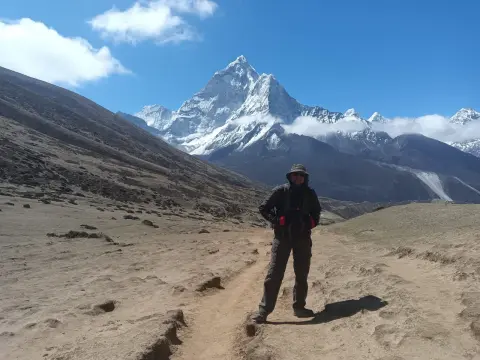
The Everest View Short Trek is one of the most accessible yet thrilling treks in the Himalayas, designed for travelers who want to experience the grandeur of the Everest region without committing to a long, strenuous expedition. Over the course of a few days, trekkers can enjoy majestic mountain vistas, charming Sherpa villages, and a glimpse
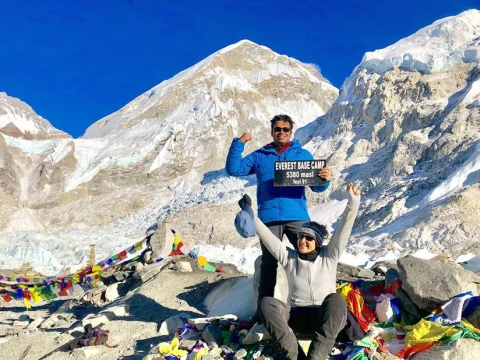
The Everest Base Camp Trek via Gokyo Lakes and Gokyo Ri is a high-altitude Himalayan adventure that combines two of the most iconic trekking regions in the Everest / Khumbu area. The journey passes through traditional Sherpa villages, glacier valleys, alpine lakes, and high mountain passes, ultimately connecting the classic Everest Base