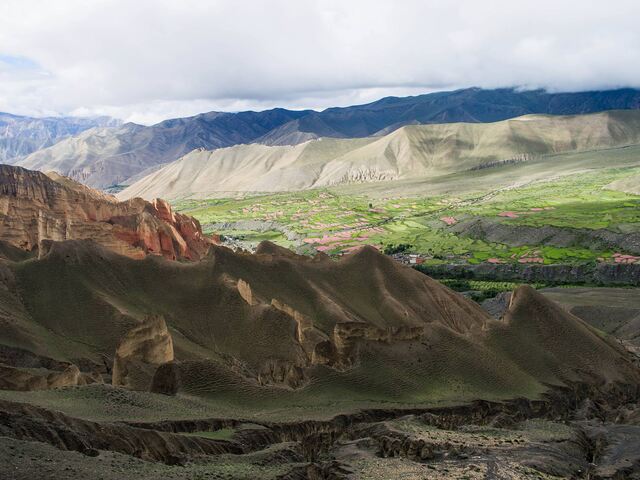
The Annapurna Circuit to Upper Mustang Trek, organized by Nepal Adventure Pilgrimage Treks & Expedition, is a journey that combines two of Nepal’s most spectacular trekking regions into one extraordinary adventure. The trek begins in the lush, subtropical lowlands near Kathmandu and gradually ascends through terraced fields, pine forests, and alpine landscapes before reaching the arid, mystical landscapes of Upper Mustang, often called the “Hidden Kingdom of Lo.” It is a trail full of contrasts: from tropical greenery to high Himalayan deserts, from gushing rivers to serene Buddhist monasteries perched atop cliffs. Along the way, trekkers witness spectacular views of the Annapurna and Dhaulagiri ranges, deep gorges, high mountain passes, and a rich tapestry of natural and cultural diversity.One of the highlights of this trek is crossing the Thorong La Pass (5,416 m/17,756 ft), one of the highest trekking passes in the world. After this challenging ascent, the journey continues through the culturally rich region of Upper Mustang, home to Tibetan-influenced villages, centuries-old monasteries, and unique desert landscapes. Trekkers experience life in the ancient walled capital of Lo Manthang, a place frozen in time, with traditional customs and architecture largely untouched by modernization. This trek is not only about mountains; it is a cultural immersion that allows trekkers to interact with people from multiple ethnic groups, learn about Tibetan Buddhism, and explore historical sites, temples, and monasteries scattered along the route.Highlights include:Crossing Thorong La Pass at 5,416 m.Visiting Muktinath Temple, a sacred pilgrimage site for Hindus and Buddhists.Experiencing the Tibetan-influenced culture of Upper Mustang.Trekking through diverse topographies: subtropical, alpine, arid desert, and Tibetan plateau.Stunning views of Annapurna, Dhaulagiri, and Nilgiri ranges.This trek is ideal for adventure seekers, cultural enthusiasts, and nature lovers who want to explore the hidden corners of Nepal beyond the well-trodden paths.Best Season for Annapurna Circuit to Upper Mustang TrekThe ideal seasons for the Annapurna Circuit to Upper Mustang Trek are spring (March to May) and autumn (September to November). During these months, the weather is stable, the skies are generally clear, and the mountain views are at their most spectacular. Spring brings blooming rhododendrons, colorful flowers, and moderate temperatures, making the trek visually enchanting. Autumn offers crisp, cool air, vibrant landscapes, and excellent visibility of the towering Annapurna and Dhaulagiri ranges, perfect for photography enthusiasts.The summer monsoon season (June to August) is less favorable because heavy rainfall causes slippery trails, landslides, and swollen rivers, making trekking hazardous. Winter (December to February) is possible, but temperatures drop significantly, especially in high-altitude areas like Thorong La Pass and Upper Mustang. Snowfall may block trails and increase the risk of altitude-related challenges. Despite these conditions, some trekkers still choose winter for solitude and pristine snow-covered landscapes.Key points for choosing the season:Spring (Mar-May): Blooming rhododendrons, moderate temperatures, clear skies.Autumn (Sep-Nov): Dry weather, crisp air, vibrant landscapes, best visibility.Summer (Jun-Aug): Heavy rain, slippery trails, landslide risk – not recommended.Winter (Dec-Feb): Cold, potential snow, less crowded, requires high-altitude gear.Selecting the right season enhances trekking safety, enjoyment, and photographic opportunities, ensuring an unforgettable experience across the Annapurna region and the hidden valleys of Upper Mustang.Annapurna Circuit to Upper Mustang Trek: Difficulty and TransportationThe Annapurna Circuit to Upper Mustang Trek is considered moderate to strenuous depending on your experience with high-altitude trekking. While the trek begins at relatively low elevations, it rapidly ascends through challenging terrains, including steep trails, rocky paths, river crossings, and the high-altitude Thorong La Pass at 5,416 m. Altitude sickness is a concern, especially during the ascent to Thorong La, and trekkers must follow proper acclimatization schedules, including rest days at Manang and strategic hydration. Physical preparation is essential, and a good level of fitness is recommended for tackling long walking distances and varying terrain.Transportation during the trek is typically a mix of road drives and flights. The journey starts with a drive from Kathmandu to Jagat or Synge, which may take 7–8 hours due to mountain roads. After completing the Upper Mustang portion, trekkers often fly from Jomsom to Pokhara, enjoying panoramic views of the Annapurna range. Finally, a short drive returns trekkers to Kathmandu for a farewell dinner. This combination of trekking, road transport, and domestic flight ensures the trek covers a wide range of landscapes efficiently.Key points:Moderate to strenuous trek, challenging high-altitude sections.Requires physical fitness and proper acclimatization.Transportation: Kathmandu–Jagat by road; Jomsom–Pokhara by domestic flight.Walking distance per day: 4–17 km, depending on altitude and terrain.High-altitude gear is recommended for the Thorong La and Upper Mustang regions.This trek is a perfect balance of adventure and accessibility, combining physically demanding sections with manageable travel logistics.Food and Accommodation for Annapurna Circuit to Upper Mustang TrekThe Annapurna Circuit to Upper Mustang Trek is primarily a teahouse trek, meaning accommodations are available in villages along the route in guesthouses or lodges called “tea houses.” These tea houses provide basic rooms with beds and blankets, shared or private bathrooms, and warm communal spaces. As the trek progresses into higher altitudes and Upper Mustang, facilities become simpler, but they maintain comfort and hospitality for trekkers. Staying in tea houses allows travelers to immerse themselves in local culture, meet other trekkers, and enjoy home-cooked Nepali meals.Food along the trek is varied and caters to both local and international palates. Common meals include Dal Bhat (lentils with rice), noodles, soups, and vegetable curries. Western options such as pasta, pizza, and pancakes are available in larger villages. Fresh water can often be purchased, or trekkers may use purification tablets. Eating smaller, more frequent meals is advised to maintain energy levels for high-altitude trekking.Highlights for food and accommodation:Tea houses in every village with basic comforts.Meals include local Nepali cuisine and some Western dishes.Private and shared rooms with blankets; hot showers available in select locations.Opportunity to interact with local families and learn about their lifestyle.Carry essential snacks and water purification tablets for remote areas.This setup ensures trekkers experience authentic village life while maintaining comfort and energy for the challenging trek.Annapurna Circuit to Upper Mustang Trek PermitsThe trek requires several permits, as it passes through restricted and conservation areas. The two main permits are:Annapurna Conservation Area Permit (ACAP):Cost: USD 20 for SAARC residents, USD 30 for others.Required for trekking in the Annapurna region.Upper Mustang Restricted Area Permit:Cost: USD 500 for 9 nights and 10 days, with an additional USD 50 per extra day.Only obtainable through government-recognized travel agencies, such as Nepal Adventure Pilgrimage Treks & Expedition.Additionally, trekkers must carry a valid identification (passport) and a passport-sized photo for each permit. The restricted area permit is mandatory for Upper Mustang, which was opened to non-Nepali trekkers only about 15 years ago and remains one of Nepal’s most preserved regions. These permits ensure controlled tourism and help preserve the unique natural and cultural heritage of Upper Mustang.Permit highlights:ACAP for Annapurna Conservation Area.Upper Mustang Special Permit for restricted region access.Requires agency facilitation and passport ID.Helps preserve natural, cultural, and historical sites.Costs vary depending on residency status and duration of stay.These permits are essential for legal and safe travel while supporting the conservation of these regions.Why Choose Annapurna Circuit to Upper Mustang TrekChoosing the Annapurna Circuit to Upper Mustang Trek is ideal for travelers seeking a combination of adventure, natural beauty, and cultural immersion. This trek allows you to explore the iconic Annapurna Circuit while also discovering the mysterious Kingdom of Lo in Upper Mustang, a region shaped by Tibetan culture and religion. The trek features diverse landscapes: from lush forests, terraced farmland, and gorges to arid deserts, high passes, and Tibetan-style villages. It is suitable for trekkers who want a multi-dimensional experience rather than just mountain views.The trek also offers unique cultural encounters. Upper Mustang is a preserved region where ancient monasteries, walled villages, and Tibetan-influenced lifestyles remain largely intact. The journey is perfect for those who want to explore hidden parts of Nepal, interact with local ethnic communities, and experience authentic Himalayan culture. With the guidance of Nepal Adventure Pilgrimage Treks & Expedition, trekkers enjoy expert organization, support with permits, local knowledge, and reliable logistics, ensuring a smooth and memorable adventure.Reasons to choose this trek:Combines the Annapurna Circuit and Upper Mustang for a diverse experience.Crosses Thorong La Pass (5,416 m), a major trekking highlight.Experience Tibetan culture and monasteries in Upper Mustang.Explore villages, deep gorges, and desert landscapes.Expert guidance and support from Nepal Adventure Pilgrimage Treks & Expedition.This trek is perfect for nature lovers, photographers, culture enthusiasts, and adventure seekers looking to experience the full diversity of Nepal in one extended journey.Annapurna Region Travel & Adventure Blog HighlightsAnnapurna Base Camp Trek Weather 2023/2023Best Time to Visit Annapurna Base CampBest Time To Do Annapurna Circuit TrekAnnapurna Circuit Trek: A Beginner’s GuideExperience Himalayan Majesty: Annapurna Circuit and Upper Mustang TrekUpper Mustang Jeep Tour: Culture, Landscapes, and AdventureExploring Hidden Gems: Nar Phu Valley to Annapurna Circuit Trek 2026Exploring Tilicho Lake on the Annapurna Circuit TrekHighest Lakes in the World: Tilicho Lake & Thorong La Pass on the Annapurna Circuit TrekMajor Facts About the Annapurna Base Camp TrekTop 3 Treks to do in Autumn Season in NepalMake Your Trip More Unforgettable With Adventurous ThingsTrekking in Nepal in AugustTrekking In Nepal In MayTrekking in Nepal in AprilTrekking In Nepal In October 2022/2023Trekking in Nepal in September10 Most Beautiful Places In Nepal That You Should Visit OnceTour Packages in Nepal - How to get the Best?Trekking in the thin Air you can do it,with Nepal Adventure Pilgrimage TrekWhy Ghorepani Poon Hill Trek Is Perfect for Beginners in 2026
'If you're seeking the ultimate Everest experience, Everest three passes trek in Nepal is the route to take. This remarkable adventure offers an immersive journey to the Everest region, blending stunning mountain vistas and rich Sherpa culture into one comprehensive adventure. As three-pass trek is a very demanding venture, a faint heart will not survive this trek. You have to be well-prepared for this challenging yet rewarding journey."Everest region has long been a playground for trekkers and climbers who wish to enjoy breathtaking Himalayan mountain panoramas, test themselves, and learn about the Sherpas closely. And our Everest three passes trek 2024/2025 departure lets you explore the best of this region. There is no such thing as a perfect itinerary. However, joining the three-pass trek with us will let you explore the most notable spots in the Everest region, including Everest base camp. Everest region, also known as the Khumbu region, has many trekking options available. And among them, the Everest three passes trek stands out as the ultimate adventure. This challenging trek involves crossing three mountain passes over 5,000 meters, each offering outstanding scenery and unparalleled views of some of the world's highest mountains, including Mt. Everest (8,849 m/29,032 ft).The trek route connects Bhotekoshi, Gokyo, Khumbu, and Imja Tse valleys via the three passes. With three passes, you will be exploring the iconic Namche Bazaar, picturesque Chhukung village, stunning Gokyo Lakes, and the base of Mount Everest. Our acclimatization hikes will take you to beautiful viewpoints such as Everest Hotel View, Chhukung Ri, Gokyo Ri, and Kala Patthar.Likewise, you will be exploring ancient monasteries and diverse flora & fauna along the Everest three pass trekking route. The lower part of the trail winds through lush valleys and alpine forests. While the upper part of the trail is all dry, barren, and rocky, including glacial moraines, frozen streams, and glaciers. The climatic difference of the Everest three pass trails presents diverse landscapes.The first pass, Renjo La, is situated at an elevation of 5,360 meters (17,585 ft) and offers breathtaking views of Gokyo Lakes (4,700 m-5,000 m), Mt. Cho Oyu (8,188 m/26,864 ft), and Mt. Makalu (8,481 m/27,825 ft). The second pass, Cho La, at 5,420 meters (17,782 ft), provides stunning vistas of Mt. Ama Dablam (6,812 m/22,349 ft), Mt. Cholatse (6,440 m/21,130 ft), and Lobuche Peak (6,145 m/20,161 ft).Finally, the highest and most challenging pass, Kongma La, at 5,535 meters (18,176 ft), rewards with stunning views of the Khumbu Glacier, Mt. Nuptse (7,861 m/25,791 ft), and Mt. Lhotse (8,516 m/27,940 ft). Other than this, you will be enjoying a jaw-dropping panorama of numerous other mountains throughout the Everest three passes trekking.Everest three passes trek 17 days is an adventure of a lifetime, combining the thrill of high altitude trek with chance to immerse oneself in the unique culture and hospitality of the Sherpa community. With the right preparation, mindset, and our expert team's support, the Everest high passes trekking becomes an unforgettable experience that will stay with you for a lifetime.Who can do the 3 pass trek? Any experienced trekker seeking the ultimate and complete high-altitude trekking adventure in the Everest region can do this trek. Everest's three-pass trek route is strenuous and packed with natural wonders. With the perfect balance of adventure, cultural experience, and tourist infrastructure, you will get to enjoy the serenity and offbeat trail on this trek.The 3 pass trek does not require any climbing skills but demands high levels of fitness and acclimatization. So, if you can walk for 6 hours a day minimum with a light day pack and can adjust to limited modern facilities, you can do the Everest three passes trek with us.If you have any queries regarding the Everest three passes trek cost, feel free to contact [email protected] or +977-9851267334Kathmandu Lukla flightKathmandu Lukla flights are mostly on time during peak trekking seasons - spring and autumn. However, due to the high traffic at Kathmandu airport in the peak season, the flight to Lukla usually shifts to Ramechhap airport.From Kathmandu, it takes 4 to 5 hours of car ride to reach Ramechhap airport. So, to catch the morning flights, you have to leave your hotel around 1:00 AM - 2:00 AM. Our guide and driver will make sure you have a smooth airport transfer.Three passes trek vs Everest base camp trekThe Everest three passes trek is much more demanding than Everest's base camp trek. The three passes trek is recommended for experienced trekkers, whereas the EBC trek is suitable for beginner trekkers too. Comparatively, the three passes trek is long & tough. During the Everest three passes trekking, you will be exploring many undisturbed parts of the Everest region, crossing high mountain passes, and trek through glaciers. However, the Everest base camp trek follows a very well-established route. Both these treks are quite famous for the experience and challenge they offer.Three passes trek vs Annapurna circuit trekThe three passes trek & the Annapurna circuit trek traverses two very different trekking regions in Nepal. The 3 passes route explores the eastern Himalayas, whereas the Annapurna circuit explores the western Himalayas. Both treks are demanding and long. If you wish to trek in the famous Everest region and learn about Sherpa culture then the three pass trek is recommended. However, if you wish to cross the popular Thorong La pass and learn about Gurung and Magar communities, then go for the Annapurna circuit trek.Three passes trek without a guideWithout a guide, you cannot do the Everest three passes trek 17 days. From both a legal and safety point of view, doing this challenging trek alone is not a good idea. From 1st April 2023, the Nepal government has banned trekking alone in the Himalayas. It means you have to hire a licensed guide or a local travel company like us to obtain the necessary permits for the trek. If you desire to do the three passes trekking alone, then our private trek service will be perfect for you. You can customize three passes trek itinerary and departure date at your convenience. The private trek will let you trek alone with a guide and a porter. You can have your pace and freedom during the trek without compromising safety.Three passes trek distanceThe three passes trek distance covers approximately 160-170 kilometers (100-105 miles), depending on the route taken. Our Everest three passes trek itinerary is 17 days long that is customizable too. You will begin the trek from Lukla at 2,846 meters (9,337 ft) and ascend above 5,000 meters (16,404 ft) multiple times. Kala Patthar is the highest point of this trek, situated at 5,545 meters (18,192 ft).High passes trek Nepal itineraryEverest three passes trek begins with a thrilling 35 minutes flight to Lukla (2,846 m/9,337 ft). On the same day, you will descend to Phakding village (2,610 m/8,563 ft) to spend the night. From here, the trail goes to Monjo, where you will register the permit and continue trekking through Sagarmatha National Park to Namche Bazaar (3,440 m/11,290 ft). The trail from Lukla to Namche Bazaar goes through lush forests of rhododendrons and crosses the Dudh Kosi river via suspension bridges numerous times.Following the mainstream trail, pass by Tengboche (3,860 m/12,660 ft) and Dingboche villages (4,410 m/14,470 ft) to Chhukung village (4,730 m/15,518 ft). Cross the first pass, Kongma La (5,540 m/18,176 ft), and trek to Everest base camp (5,364 m/17,598 ft) via Lobuche (4,940 m/16,210 ft) and Gorak Shep (5,164 m/16,942 ft).After exploring Kala Patthar's viewpoint (5,545 m/18,192 ft), the trail crosses Cho La pass (5,420 m/17,782 ft) and enters the Gokyo valley. Spending a couple of nights in Gokyo village (4,750 m/15,584 ft), you'll cross the last past Renjo La (5,360 m/17,585 ft) and trek back to Lukla via Marlung (4,210 m/13,810 ft) and Namche Bazaar.Alternative trekking packagesWe have a wide selection of treks in Nepal that fits beginner to experienced trekkers. Likewise, we also have some of the best tour and climbing packages. These are some of the popular trekking packages in Nepal - Annapurna base camp trek, Langtang valley trek, Mardi Himal trek, and Gokyo Lake trek.If you want to go offbeat, we highly suggest these packages- Manaslu circuit trek, Makalu base camp trek, Kanchenjunga circuit trek, and Nar Phu valley trek. You can contact us any time for further support.Everest Three Passes Trek permitsEverest Three Pass trek requires a Khumbu Pasang Lhamu Rural Municipality Entrance permit and a Sagarmatha National Park Entry permit. We have includ ed both permit fees in our Everest three passes trek cost.Khumbu Pasang Lhamu Rural Municipality Entrance permit cost: Nrs 2000 per personSagarmatha National Park Entry permit cost: Nrs 3000 per personEverest three passes trek difficulty & altitude sicknessThe Everest three passes is a challenging and adventurous trek, with three high mountain passes that are above 5,300 meters. This trek is considered one of the most difficult routes in the Everest region. The terrain of the three passes trek is rugged and demanding, with varying landscapes that make the trek even more challenging.You will be walking approximately 6 hours each day through steep, sloppy, and rough paths, as well as snowy terrain, which can be quite taxing on the body. However, the rewards are unparalleled, and the experience is truly a once-in-a-lifetime adventure.With high altitudes, there is a risk of altitude sickness during the 3 passes trek. As our Everest three passes trek itinerary has ample rest days, you will be able to avoid altitude sickness with certain additional precautions. Keep yourself hydrated and listen to your body. Have plenty of fluids on a daily basis.Despite the challenges, the Everest three passes trek 17 days is a highly rewarding and unforgettable experience, taking you through some of the most stunning and remote landscapes in the world. The breathtaking views of the Himalayan ranges, the pristine glaciers, and the authentic Sherpa culture make this trek an adventure of a lifetime.Best time to do Everest three passes trekkingThe best time to do three passes trekking is during spring and fall (autumn). The spring months, which include March, April, and May, and the post-monsoon period- October, November, and December, are the ideal times for trekking in the Everest region. During these seasons, the weather is at its best, and you can enjoy clearer views of the mountains. The temperature ranges from 10°C-15°C in spring and from 5 °C to 10 °C in the fall.Everest three passes trekking during the winter and monsoon seasons is not recommended due to challenging weather conditions. During the winter, from December to February, the temperature drops significantly. It can get extremely cold, with the temperature ranging from -10°C to 5°C. The trail gets covered with snow, and crossing high mountain passes is extremely risky and challenging. However, the skies are clear, and the mountain views are breathtaking.On the other hand, during the monsoon, from June to August, there is a high risk of landslides, and the trails become muddy, making it difficult to trek. Moreover, the weather during this time can be unpredictable, with heavy rainfall and low visibility. The temperature during this time ranges from 15°C-25°C.Accommodation & Meals during the 3 passes trekThe three passes trek is challenging, but the good news is that you don't have to worry about carrying heavy camping gear with you. Lodge accommodation is available throughout the trek, allowing you to rest in comfortable and cozy lodges after a long day of trekking.The lodges along the three passes trekking route are typically basic but comfortable, offering a range of accommodation options to suit your needs and budget. The lodges offer shared rooms with twin beds or single rooms with attached bathrooms, depending on your preference.However, during peak trekking seasons, you may have to share a room with other trekkers due to limited availability. The lodges provide blankets and pillows, but we suggest bringing a sleeping bag for extra warmth and comfort.In terms of meals, the lodges provide warm and delicious food to fuel your trekking adventure. You can expect a range of dishes, including traditional Nepali cuisine, pasta, rice, and soup. Vegetarian options are also available in most lodges. Breakfast typically includes porridge, eggs, toast, and tea or coffee, while lunch and dinner consist of a variety of dishes, including dal bhat, thukpa, momo, etc.Pack energy bars, chocolates, and snacks to keep you energized during the treks. Likewise boiled drinking water is available in all lodges. You can use a water purification tablet to double-purify the water.Travel insuranceWhen planning your Everest three passes trek in Nepal, you have to purchase travel insurance. Travel insurance provides coverage for unforeseen events, such as medical emergencies, trip cancellations, and lost or stolen items. It can be a lifesaver in case of emergencies, especially when trekking in remote and high-altitude areas like the Everest region.One of the main reasons why travel insurance is crucial for the three passes trek is due to the risks associated with high-altitude trekking. The trek involves ascending to altitudes above 5000 meters, where the risks of altitude sickness and other medical emergencies increase significantly.If you were to fall ill or get injured during the trek, travel insurance would cover the costs of medical treatment, helicopter evacuations, and emergency transportation to the nearest medical facility. At a minimum, your travel insurance should cover emergency air evacuation and medical bills.Passport & VisaYou will need a valid passport that remains valid for at least six months beyond your intended stay in Nepal. Make sure your passport has blank visa pages for the visa stamp. Carry a photocopy of your passport and your original passport with you at all times.You can get an on-arrival visa at the Tribhuvan International Airport in Kathmandu or any land border crossing. Tourists can also obtain visas from Nepalese embassies or consulates before traveling to Nepal. The fees for visas vary depending on the duration of stay and the type of visa you require.Visa fees for tourists are as follows:15-day multiple-entry visa: USD 3030-day multiple-entry visa: USD 5090-day multiple-entry visa: USD 125*Note: Visa regulations and requirements change often, so make sure to check the latest visa update before you travel.Money ExchangeIf you are planning to travel to Nepal, you will need to exchange your currency for Nepalese Rupees to pay for goods and services during your trip. You can exchange foreign currency at banks, money changers, or authorized foreign exchange dealers in Nepal. Banks and exchange offices are usually open from Sunday to Friday, and some may also be open on Saturdays.● ATMs: ATMs are widely available in major cities in Nepal. They accept most international debit and credit cards. However, it is recommended to carry some cash as backup, especially if you are traveling to remote areas where ATMs may not be available.● Credit Cards: Credit cards are accepted at restaurants, hotels, and shops in Kathmandu and other major cities in Nepal. However, always have some cash as a backup. You may not be able to use the card in small eateries and shops.● Traveler's Cheques: Traveler's cheques are not widely accepted in Nepal, and it can be difficult to cash them. Carry cash or use your debit or credit cards for transactions.Our Everest three passes trek refund policyThank you for considering our travel company for your Everest three passes trek. We are dedicated to offering our clients a secure, enjoyable, and unforgettable trekking experience. Our pricing for the Everest three-pass trek includes all necessary permits, transportation, accommodation, meals, and the assistance of an experienced guide and porter.We understand that unforeseen circumstances can occur which may hinder you from commencing or completing the trek. In such cases, our refund policy is as follows:Cancellation by the Client:If you need to cancel your trek for any reason, please inform us at the earliest. We will refund your deposit amount, after deducting any non-recoverable expenses incurred by our company, such as permit fees, transportation costs, or advance payment to lodges.● Cancellation 60 days or more before the trek start date: 90% of the total trip cost will be refunded.● Cancellation between 30 and 59 days before the trek start date: 50% of the total trip cost will be refunded.● Cancellation less than 30 days before the trek start date: No refund will be provided.Cancellation by our Company:In the unlikely event that we have to cancel your three passes trek due to unforeseen circumstances such as natural disasters, political instability, or other events beyond our control, we will offer you alternative trekking options or a complete refund of the trip cost paid to our company.Unused Services:"If you're seeking the ultimate Everest experience, the three passes trek in Nepal is the route to take. This remarkable trek offers an immersive journey in the Everest region, blending stunning mountain vistas and rich Sherpa culture into one comprehensive adventure. As three passes trek is a very demanding venture, a faint heart will not survive this trek. You have to be well-prepared for this challenging yet rewarding journey."Everest Region Travel & Adventure Blog HighlightsAmazing Facts About on the Everest Base Camp TrekA Complete Guide to Everest Base Camp Trekking from May to Marchwhy we trek to nepal adventure pilgrimage with everest base camp?Top Highlights of the Everest View Short TrekEverest Three Passes Trekking in Nepal: Crossing Kongma La, Cho La and Renjo La Adventure Above 5,000mLangtang Trekking vs Everest Panorama TrekkingBest Time To Visit Everest Base Camp TrekGet ultimate trekking experience in the Everest region Trek 2022Tenzing Hillary AirportSherpa Villages and Everest Region: Must Do Trek in Nepal!Top 3 Treks to do in Autumn Season in NepalMake Your Trip More Unforgettable With Adventurous ThingsTrekking in Nepal in AugustTrekking In Nepal In MayTrekking in Nepal in AprilTrekking In Nepal In October 2022/2023Trekking in Nepal in September10 Most Beautiful Places In Nepal That You Should Visit OnceTour Packages in Nepal - How to get the Best?Trekking in the thin Air you can do it,with Nepal Adventure Pilgrimage TrekTop Hidden Gems in Nepal to Explore in 2026
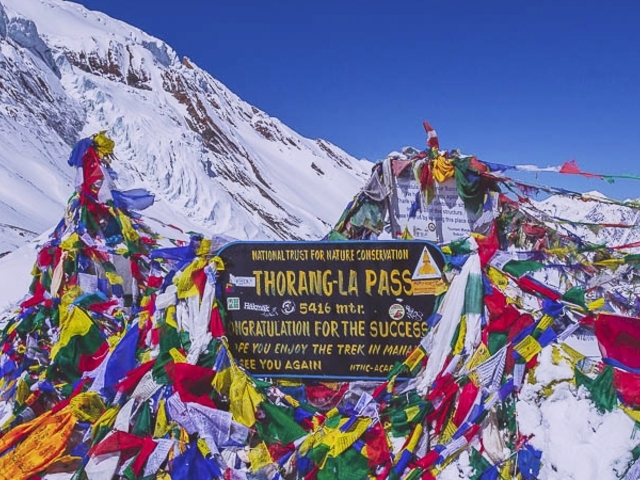
Annapurna Circuit Trek: With a 15 day excursion that has catalogued a world-wide recognized trek since 1980, this trek has been accessed by foreigners. As written by Jeffrey Rasley, “Chasing angels or fleeing demons, go to the mountain.” If you are an adventure freak, pack your bags and get on a plane to Nepal. Traveling not only gives you pleasure, it also helps you inspire for a fresh start, giving you a new vision of looking at the world by becoming more acquainted with the diverse gift of nature . So, why don’t you experience the magnificent mountains through the different trek, which is in this locale?Hiking at Annapurna Circuit, you can encounter the fascinating sight of the splendid village and subtropical valleys. The neighborhood has a rare culture and lifestyle of native people. Annapurna trail is well known for awe inspiring forests, astounding waterfalls and glorious cliffs. Trekking at the Annapurna round trip would begin usually from Marshyangdi River, following the Manang valley through Chame, Pisang, Bryaga all the way to the highest point of the trek, which is Thorong La pass (5614m.) ending in Pokhara. The enchanters of this trek include Manang, known to be the locality of the Tibetan-Buddhists, Muktinath, which is known to be the prominent pilgrimage destination for the Hindus as well as Buddhists, and the deepest river gorge of the world, Kali Gandaki valley.Trek to Annapurna Circuit is viewed as one of the best travel packages in Nepal and would offer you an ordeal to value of a lifetime. You would become more acquainted with the way of life of this district through the village life, for instance, you can find one of the oldest monasteries which is known as Braga, you could get a view of terraced farming, the corn and barley fields of the Manang region and you would also get to see bamboo as well as the rhododendrons as you trek to Annapurna circuit.This stunning adventurous trek leads you to 5415m high peak Thorong La pass, offering the most magnificent views of the Annapurna I, II, III, IV, Dhaulagiri, Manaslu, Nilgiri, Lamjung, Tukuche peak, Tilicho peak and Tibetan Himalayan ranges. March to May and September to December is considered to be the best season for this trek. It is absolutely impossible for you to not be mesmerized by this extremely delightful place and you can without a doubt get a fabulous break from the day by day routine while you are in this spot.Best Time To Do Annapurna Circuit TrekAutumn and Spring are the best seasons to explore Annapurna Circuit trekking routes. Most of the trekkers choose these seasons because of its natural beauty like clear skies, stunning views of mountains, and green hills with warm temperatures.Annapurna Circuit Trek is known as one of the most popular treks for trekkers across the globe. This route is in the world’s 10th highest mountain Annapurna which is at 8081m high. The trail begins from Lamjung though the high valley of Manang area. Hiking goes through high mountain passes, landscape view with relaxing hot spring, different cultural temples, farming villages, and view of the Annapurna Massif. Most trekkers offer this popular trekking route in Annapurna Region. Most of the time trekkers start the hike from Bhubhule and end at Nayapul, and its total distance is around 260km.Accommodation & meals in Annapurna Circuit During the Annapurna Circuit Trek, there are several options for accommodation and meals along the trail. Teahouses are the most common type of accommodation, which are small guesthouses that offer basic rooms with shared bathrooms. Most of these teahouses also have restaurants that offer meals such as dal bhat (a traditional Nepalese dish consisting of rice, lentil soup, and vegetables), momos (dumplings filled with vegetables or meat), and noodle soup.The cost of accommodation and meals varies depending on the location and the season. In general, the cost of accommodation ranges from 700-800 Nepalese Rupees (NPR) per night, while meals cost between 1000-1300 NPR per meal. It is important to note that the cost of meals and accommodation tends to increase the higher you go on the trek due to the remoteness and difficulty of transportation of goods.It is advised to bring some cash with you on the trek, as there are limited ATM machines along the trail. Some teahouses also accept credit cards, but it is always good to have cash on hand as a backup.Best timeThe best time to do the Annapurna Circuit Trek is during the autumn months of September to November and the spring months of March to May. During these months, the weather is generally clear and dry, making for ideal trekking conditions with good visibility and comfortable temperatures.In the autumn months, the skies are typically clear, the weather is mild, and the landscapes are lush and green after the monsoon season. This is also a popular time for trekking, so expect some crowds along the trail.In the spring months, the weather is mild and the flowers are blooming, making for stunning scenery. The skies are also typically clear, but there may be occasional showers. This is also a good time to trek if you are interested in bird watching, as many migratory birds can be seen.However, it's important to note that weather patterns can be unpredictable in the mountains, so it's always best to check the forecast and prepare accordingly, regardless of the season.Annapurna Region Travel & Adventure Blog HighlightsAnnapurna Base Camp Trek Weather 2023/2023Best Time to Visit Annapurna Base CampBest Time To Do Annapurna Circuit TrekAnnapurna Circuit Trek: A Beginner’s GuideExperience Himalayan Majesty: Annapurna Circuit and Upper Mustang TrekExploring Hidden Gems: Nar Phu Valley to Annapurna Circuit Trek 2026Exploring Tilicho Lake on the Annapurna Circuit TrekHighest Lakes in the World: Tilicho Lake & Thorong La Pass on the Annapurna Circuit TrekMajor Facts About the Annapurna Base Camp TrekTop 3 Treks to do in Autumn Season in NepalMake Your Trip More Unforgettable With Adventurous ThingsTrekking in Nepal in AugustTrekking In Nepal In MayTrekking in Nepal in AprilTrekking In Nepal In October 2022/2023Trekking in Nepal in September10 Most Beautiful Places In Nepal That You Should Visit OnceTour Packages in Nepal - How to get the Best?Trekking in the thin Air you can do it,with Nepal Adventure Pilgrimage TrekWhy Ghorepani Poon Hill Trek Is Perfect for Beginners in 2026
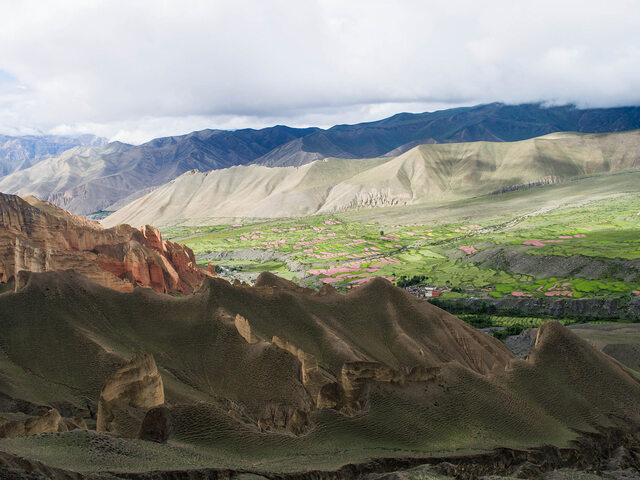
Upper Mustang Trek is a journey to the last forbidden kingdom of Nepal. This Himalayan nation is worldwide popular for ethnic diversity and natural beauty. Moreover, holiday in Nepal never fails to surprise tourists with its peculiarity. Journey of Upper Mustang too is not an ordinary holiday, rather it is a voyage beyond mountains. Marked by great history and blessed by nature’s unique creations this place is a perfect hideaway destination. Nepal Adventure Pilgrimage Treks & Expedition offers this package to our valued clients for magnificent experience of off the beaten trekking region of Nepal.This trek is similar to Annapurna Base Camp Trek in terms of starting point of journey.Trekking in Nepal It too starts from Pokhara. However, trekkers will take a morning flight to Jomsom instead of driving to Nayapull. After reaching the windiest town of Nepal trekkers start the walking activity. Trailing along the Kaligandaki River can be blissful act. You can find the sacred fossils which resemble the lord Vishnu as well. Traversing through some abandoned villages and world’s deepest gorge of Kaligandaki trekkers will finally reach Lomanthang, the capital of Upper Mustang. Lomanthang means the walled city where once the last kingdom of Nepal existed. In order to preserve these Tibetan origin people Nepal Government has denoted this area as restricted region. The culture and traditions of these people are more inclined to Tibetans. The Tiji Festival is highly popular in this area. This festival is marked to celebrate the victory of good over evil. The trip to the Upper Mustang also features mysterious man made holes on hills as well. Explore this magnificent society clustered together and witness the rich traditions of the people of Upper Mustang.Trekking in Upper Mustang Trek, trekkers get the opportunity to witness the majestic Muktinath temple and nunnery as well as having Mt. Neelgiri in the backdrop. Nepal Adventure Pilgrimage offers competitively priced packages. You will get plethora of knowledge about geographical, cultural and traditional facts of the Upper Mustang region.Upper Mustang Permit Start/End: Kagbeni/JomsomPermit : 500 USD Restricted Area PermitGuide: Compulsory (plus a minimum of 2 trekkers)Season: March – November best for trekkingRoute: Mix of road and trail walkingCulture: Traditional Tibetan Buddhist heritageLandscape: Semi-arid, plateaus, steep-sided gorgesYou almost forget that you can trek there. You certainly can. The Upper Mustang Trek is the perfect combination of culture and trekking as it is intended. Far away from the more inhabited world and in the middle of the wilderness. Let the Himalaya embrace you and immerse yourself in the mysticism of the Mustang.The spectacularly tanned red cliffs and the endless variety of grey rolling hills of the Mustang will be engraved in your memory long after your return home. Add to that your experiences in the incredible towns of the Kingdom and the friendliness of the people of the Mustang.Why The Upper Mustang Trek?Trekking in the Upper Mustang is a special privilege. Here you will meet the lifestyles of true mountain people, who, for lots of years, had very little contact with the rest of Nepal and managed to retain their wealthy cultural heritage. Until recently, their king was formally recognized by the Government of Nepal.In many ways, a trek into Upper Mustang is comparable to trekking in Tibet, as geographically it is a part of the Tibetan plateau. The district of Mustang was, till 1950, a separate kingdom within the boundaries of Nepal. The remaining king, the Raja of Mustang, still resides in the historical capital recognized as Lo Manthang.Best Season If you are looking for the perfect option for trekking in Nepal during the summer months, the Upper Mustang will automatically come on your radar. Thanks to the Upper Mustang being in the rain shadow of the Annapurnas, you can experience crystal clear days and dry weather this time of the year. Interestingly enough, the summer months are also relatively quiet. The best teahouses will be yours. The most popular times of the year are Spring and Autumn.In May the Tiji Festival is held. Many trekkers like to combine their adventure with this traditional festival. The three-day festival takes place on the premises of the former king of Mustang’s palace. The locals from far and wide visit Lo Manthang (Upper Mustang) to participate in the festival. You can also go trekking in the Upper Mustang in winter, but you will have to make sure you are bringing the right gear.Upper Mustang Trek Itinerary?It can be hard to choose a fitting Upper Mustang Trek. If you want to do the Upper Mustang the right way, you try to take as much time for it as possible. As transfers from Kathmandu to Pokhara are usually included, you may want to spend some time in Pokhara as well. The town is just too pretty to simply skip it. Besides, you will be traveling quite a bit to get there, so you might as well stretch your leg a little.How Do I Get Fit For The Upper Mustang Trek?If you live anywhere else other than the Himalayas, it will be hard to get your legs ready for higher altitudes. After all, it doesn’t get much higher than Nepal. This is why we have to be clear upfront: Unless you have hiked at a higher altitude before, it will be difficult to get a 100% ready for your adventure. If that sounds bad to you, then comfort yourself with the fact that there is absolutely no need to be 100% ready.What About AMS in the Upper Mustang?Symptoms of AMS start to show within a few hours after arrival at high altitude and include nausea, shortness of breath, headache and inability to exercise. An overall feeling of fatigue will take all the joy away from what you were experiencing until things got bad. You may struggle to fall asleep, experience dizziness and you could be suffering from a severe headache. You may also lose your sense of coordination, have trouble walking and have a tight chest. If things progress to HAPE or HACE, you might get confused, have a shortness of breath at rest and you will likely be unable to walk at all. AMS is not only restricted to the treks to the Everest Base Camp or to the highest peaks.Can you trek Upper Mustang solo?The Upper Mustang Trek is not accessible to anyone who prefers to travel alone. You may have to save your Alexander Supertramp enthusiasm for another journey. A solo trekker has been limited by the authorities. A minimum of two people must be in a group with a guide. If you want to go the opposite way, you'll need a 'ghost' trekker permit (which will still require a foreign passport) and a guide (obviously). Restricted Area Permit and Annapurna Conservation Area Project (ACAP) Permit are the other permissions you'll requireFood:During the Upper Mustang Trek, most of the tea houses and lodges will provide meals in a set menu system. The food available will mostly be Nepali and Tibetan cuisine, including rice, noodles, soups, and stews, with options for vegetarians and non-vegetarians. As the trekking route is at a higher altitude, it is recommended to drink plenty of fluids and eat light meals to avoid altitude sickness.Accommodation:Accommodation options during the Upper Mustang Trek are limited, and you will mainly find tea houses and lodges for overnight stays. These tea houses and lodges usually offer basic facilities, including a bed with blankets, pillows, and shared bathroom facilities. Some tea houses and lodges may have hot showers available for an extra charge. It is important to note that the accommodation can be basic, and you should not expect luxury amenities during your stay.It is recommended to book your accommodation in advance during peak trekking seasons to avoid any inconvenience. Additionally, it is always good to carry a sleeping bag, as the blankets provided by the tea houses and lodges may not be sufficient to keep you warm during colder nights.Tiji Festival Upper Mustang Trek The Tiji Festival is an annual three-day event held in the Upper Mustang region of Nepal, which is a restricted area that requires a special permit to visit. The festival is celebrated by the local people, who are predominantly of Tibetan origin and follow Tibetan Buddhism.During the festival, masked dancers perform traditional dances that depict the triumph of good over evil. The festival is held in the courtyard of the 600-year-old palace in the town of Lo Manthang, the capital of the former Kingdom of Mustang. The festival is believed to have originated in the 15th century, and it is still celebrated with great enthusiasm and devotion by the local people.The Tiji Festival Upper Mustang Trek is a popular trekking route that combines the cultural experience of the Tiji Festival with the natural beauty of the Mustang region. The trek usually takes around 16-18 days, starting from Jomsom and following the Kali Gandaki River upstream to the town of Lo Manthang. The trek passes through barren landscapes, ancient caves, and traditional villages, providing a unique glimpse into the traditional way of life of the people in the region.Mustang Region Travel & Adventure Blog HighlightsUpper Mustang Jeep Tour: Culture, Landscapes, and AdventureExperience Himalayan Majesty: Annapurna Circuit and Upper Mustang TrekTop 3 Treks to do in Autumn Season in NepalMake Your Trip More Unforgettable With Adventurous ThingsTrekking in Nepal in AugustTrekking In Nepal In MayTrekking in Nepal in AprilTrekking In Nepal In October 2022/2023Trekking in Nepal in September10 Most Beautiful Places In Nepal That You Should Visit OnceTour Packages in Nepal - How to get the Best?Trekking in the thin Air you can do it,with Nepal Adventure Pilgrimage TrekTop Hidden Gems in Nepal to Explore in 2026
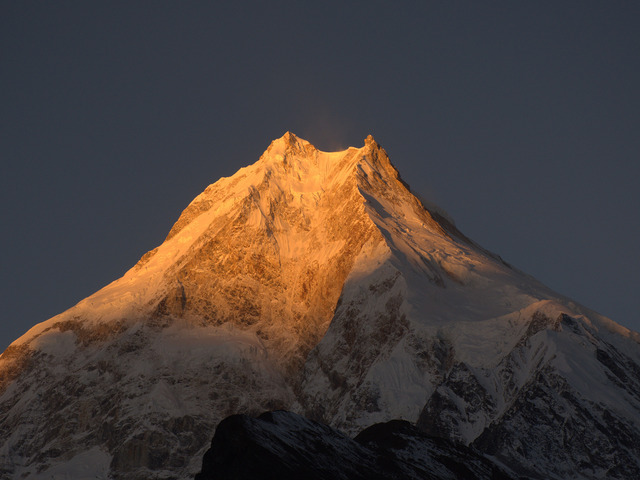
Embark on an unforgettable journey to the Manaslu Circuit with our 15-day itinerary. Our inclusive price includes all the necessary services. Likewise, our experienced and knowledgeable guides will lead you through the beautiful and challenging terrain of the Manaslu region, providing you with a life-changing experience you'll never forget. Explore stunning landscapes, immerse yourself in the unique culture of the region, and create unforgettable memories!"Trek to Manaslu circuit offers an unparalleled trekking experience through the stunning Himalayan terrain of Nepal. The trek takes you through beautiful Buddhist landmarks and local villages, providing an authentic glimpse into the local culture. You will be surrounded by majestic mountain peaks, frozen lakes, glaciers, and high mountain passes that will make your trek an unforgettable adventure.The Manaslu trek is a truly mesmerizing experience, starting in the quaint village of Machha Khola, nestled on the banks of the Budhi Gandaki river at 710 meters (2,952 ft) above sea level. The trek offers an incredible high-mountain route, passing through sprawling mountain villages perched on terraced hilltops adorned with stunning rhododendrons.Even though the Manaslu round trek is gaining popularity among adventure enthusiasts, it remains less crowded than other popular treks like Annapurna Circuit & Ebc. With its wild and remote terrain, round manaslu offers an authentic experience of local culture and people. is now a tea house trek, which means trekkers can stay in lodges and enjoy hot meals along the way, so you do not have to camp like in the past. Accessing the Manaslu circuit trail is also easy as there are no stressful domestic flights required. During the first part of the trek, you will follow the Budi Gandaki river gorge and cross many suspension bridges. The trek offers a diverse range of landscapes from subtropical jungles to the Himalayan foothills and the alpine zone and crosses the Larkya La pass at 5,160 meters (16,929 ft). Everest Region Travel & Adventure Blog HighlightsYou will get to witness views of mountains like Mt. Manaslu (8,163 m/26,781 ft), Nagadi Chuli (7,871 m/25,823 ft), Himlung Himal (7126 m/23,379 ft), Gyaji Kang (7,074 m/26,161 ft), Sringi Himal (7,155 m/23,474 ft), Ganesh Himal (7,422 m/24,350 ft), Annapurna II (7,937 m/26,040 ft), Mt. Kang Guru (6,981 m/22,903 ft), and many other mountains throughout the trek.Difficulty & altitude sicknessManaslu round trek in Nepal is a challenging venture that requires a good level of physical fitness and endurance. The trek involves trekking through rugged terrain, high-altitude areas, and potential risks of altitude sickness. However, with proper preparation and precautions, it can be a rewarding and unforgettable experience.The trail takes you through steep and rugged terrain, with many ups and downs along the way. You'll be trekking in high-altitude areas, and the highest point of the trek is the Larkya La pass, which stands at an elevation of 5,135 meters (16,847 feet).The trek route involves remote areas with limited facilities. The trekking trail is not well developed and can be rugged and challenging at times. You'll be crossing suspension bridges, rocky paths, and high mountain passes, which can be physically demanding. You have to be physically prepared and mentally strong for the trek.Altitude sickness is a common illness trekkers suffer during trekking in the Himalayas. You have to be cautious of the symptoms such as headaches, vomiting, nausea, and shortness of breath. As the trek progresses, you will begin traversing to higher altitudes, so your body has to adjust to the thinner air. To do so, we have added ample acclimatization days to our itinerary.Food & AccommodationTea houses along the Manaslu circuit trek route are basic, but they provide a warm and comfortable place to rest and refuel after a long day of trekking. Tea houses are basic guest houses that provide accommodation, meals, and hot drinks to trekkers. The accommodation is usually two single beds in a room. The rooms may not have attached bathrooms, and the toilets are mostly shared.Most tea houses offer a range of meals, including Nepalese, Tibetan, and Western cuisine. The food is usually simple, but it's tasty and filling. You can expect to have a traditional Nepalese dish like dal bhat, momos, thenduk, Tibetan bread, and thukpa during your trek. There are also plenty of options for vegetarians and vegans.Best timeSpring (March to May) and autumn (September to November) are the best times for Manaslu circuit trekking. During the spring season, the temperatures start to get warmer, and the weather becomes more stable. The surrounding mountains are still covered with snow, creating a breathtaking view. The high-altitude lakes like Birendra and Ponkar start to melt, and the forests bloom with rhododendrons and other flowers. The local villagers, who had migrated to low villages or towns to escape the winter, start to return home. With dry and clear weather, the views are stunning, and the trekking trail is more comfortable to navigate.Likewise, during autumn, the temperature is mild, and the sky is clear, making it perfect for trekking. The scenery is picturesque, with colorful trees and flowers blooming. Daylight hours are longer, providing more time to explore and take in the beauty of the region. It's the ideal time to cross the challenging Larkya La pass without any weather-related difficulties. The average temperature ranges from 5℃ to 7℃ in higher altitudes. And the temperature starts to fall in the morning and night, making it necessary to pack warm clothes.Why join the Manaslu Circuit trek?Protected under the Manaslu Conservation Area, the Round trek in Nepal is a stunning off-the-beaten path trek. Mount Manaslu (8,163 m/26,781 ft) is the eighth tallest mountain peak in the world. The Manaslu circuit trail is home to traditional Gurung settlements and other communities of Bhutias, Sherpas & people of Tibetan ethnicity.Along the way, you will discover many Buddhist landmarks, such as monasteries, prayer walls, chortens, and more, highlighting the influence of Buddhism in the region. You will share the path with yak caravans and explore an ancient trade route with Tibet that has continued for centuries. The Tibetan villages in this area have been established by Tibetan refugees, who have created a unique lifestyle that spans Nepal and Tibet. Day hikes to Pun Gyen Gompa (4,800 m/15,748 ft), Manaslu Base Camp (4,800 m/15,748 ft) & Birendra Lake (3,691 m/12,110 ft) from Sama Gaun, and Rui La (4,998 m/16,398 ft), a traditional trade route to Tibet at the Nepal-Tibet border from Samdo Village, are also some of the highlights of the Manaslu circuit trek route. However, the most epic experience of the Manaslu circuit trek is crossing the snow-covered Manaslu Larkya Pass to the Bhimtang. Why is the Manaslu circuit a restricted region in Nepal?Manaslu Circuit is a restricted region in Nepal because it is located close to the Nepal-Tibet border and contains sensitive geopolitical and cultural areas. The Manaslu region was only opened to tourists in 1991, and since then, the Nepalese government has imposed certain restrictions on travelers to this area.The main reason for the restrictions is to protect the region's natural and cultural heritage. The Manaslu region is home to several endangered species of flora and fauna, including snow leopards, blue sheep, Himalayan Tahr, etc. The region is also home to several ethnic groups, including the Nubri and Tsumba people, who have their unique cultural traditions and practices.Special regulations for Manaslu circuit trekThe Nepalese government regulates access to the Manaslu region by requiring trekkers to obtain a special permit to enter the area. The permit is only issued through authorized trekking agencies, and travelers must be accompanied by a licensed guide during their trek. Additionally, the government imposes a minimum group size requirement of two persons to obtain the permit, which aims to ensure safety and minimize the impact on the environment and local communities.Manaslu circuit trek permitThe Manaslu circuit trek requires Special Restricted Area Permit for Manaslu and Manaslu Conservation Area Project (MCAP Permit). As our itinerary enters the Annapurna region at the end of the trek, you will also need Annapurna Conservation Area Project (ACAP Permit). All of these permit fees are already included in our Manaslu circuit trek cost, so you do not have to pay additional money.Special Restricted Area Permit for ManasluSeptember to November: USD 100 per person for the first seven days and an additional USD 15 per person per day from the eighth day onwards.December to August: USD 75 per person for the first seven days and an additional USD 10 per person per day from the eighth day onwards.Manaslu Conservation Area Project permit cost: USD 30Annapurna Conservation Area Project permit cost: USD 30Manaslu circuit trek in off-seasonSummer or monsoon season in Nepal falls between June and August. It is not the ideal time for Manaslu circuit trekking. The region experiences heavy rainfall, making the forest trail slippery, muddy, and wet. Mosquitoes, leeches, and bugs make the trekking experience unpleasant. Landslides are also common during the monsoon season. As you trek higher, the chance of rainfall decreases, but it is still advisable to avoid trekking during this time.Winter in Nepal, from December to February, transforms the Manaslu region into a winter wonderland of snow. The days are shorter, and the temperature is cooler, making it a low trekking season in the area. However, the trails are quieter, and the snow-capped peaks are dazzling, making it a good time for trekking. With fewer crowds, you can enjoy the tranquility and peacefulness of the region.Travel insurance for Manaslu circuit trekTravel insurance is crucial for the Manaslu circuit trek. It provides financial protection and security against any unforeseen circumstances such as injury, illness, theft, or trip cancellation. Trekking in high altitude and remote areas like Manaslu Circuit comes with certain risks that can be costly and difficult to handle on your own.A comprehensive travel insurance policy for the Manaslu circuit should cover emergency medical expenses, evacuation by helicopter, repatriation, trip cancellation, personal liability, and theft. The insurance policy should also cover trekking activities above 4,000 meters and helicopter rescue, which is a common mode of evacuation in case of a medical emergency.Money exchange and ATM on trailThe currency used in Nepal is the Nepalese Rupee (NPR). You can exchange foreign currencies such as US Dollars, Euros, and British Pounds at authorized money exchange counters in Kathmandu or in the major cities along the trail.ATMs are not available on the Manaslu circuit trek route. So, we recommend you withdraw enough Nepali cash to use during the trek for personal expenses. The locals do not accept cards. Transportation to Manaslu Circuit TrekkingAs per the package, Nepal Adventure Pilgrimage Trek offers transportation by bus(available early in the morning only) from Kathmandu (Gongabu Bus Park) to Machhakhola (9/10 hrs) and Dharapani to Besisahar by a local Jeep (4/5 hrs), then we switch to another bus or van to Kathmandu (6/7 hrs). The bus might be congested, overcrowded (especially if you are traveling during festival time), not tidy, and stop in many villages to pick up and drop off more people en route, but it definitely takes a couple of hours longer than a private jeep to reach the final destination. However, you can take part in the experience and enjoy it as well. Otherwise, we will provide private transportation on request, which costs a total of $290 to Machhakhola and $420 from Dharapani to Kathmandu.Telecommunications and wifi facilities in the Manaslu Region?The Manaslu Region, located in the central part of Nepal, is a popular destination for trekking and mountaineering. While the region is relatively remote, there are telecommunication and wifi facilities available for visitors.Telecommunication facilities in the Manaslu Region include mobile networks and satellite phones. The two main mobile networks operating in the region are Ncell and Nepal Telecom. Both networks offer 3G and 4G services in most parts of the region. However, the signal strength and coverage may vary depending on the location.Satellite phones are also available for rent in the Manaslu Region. These phones use satellite technology to provide communication services in areas where there is no mobile network coverage. They are particularly useful for emergency situations where immediate communication is necessary.In terms of wi fi facilities, most tea houses and lodges along the trekking route offer wifi services. However, the quality and speed of the wifi may be limited due to the remote location of the region. Additionally, some lodges may charge a fee for wifi usage. What are the requirements for Manaslu Trekking?Manaslu Trekking in Nepal is probably the most popular restricted trekking activity to do in Nepal. If you are searching for the serenity and tranquility, try doing trekking in this region. However, there are numerous requirements to do the trekking. Lots of the people across the globe ask the questions about the things to prepare for the trip. As a trekking agency operator who has been working in the field of Nepal Trekking for more than 15 years would like to share some of the things to remember before planning the trekking.Nepal Adventure Pilgrimage is the specialist in operating the Manaslu Trekking. There are two popular trekking routes to trek in the region. They are Manaslu Circuit Trek and Tsum Valley Trek. Let's know a brief introduction about these trekking routes.1. Manaslu Circuit TrekThis is the detour which traverses through Tibetan villages along with the hilly villages in the low altitude places. Moreover, the trail encompasses the crossing of Larke La Pass (5106 m). It is the daunting trekking trail where the trekkers can visit the base camp of the world's 8th tallest mountain. Therefore, one can knit the momentous walking tale of the enchanting yet tranquil place.2 TsumValley TrekTsum is the mystical place of the Manaslu region. It is believed that the place used to be the meditation place for the 8th eons. There are numerous hidden valleys. These places were used to be the place where people took shelter during the famine and war. Moreover, the place is famous for the mountain vista, terraced farmlands, and rural villages of multiethnic people.Here is the list of the requirements of Manaslu Trekking:1. Solo Trekkers are not allowedAre you planning to do the solo trekking in Manaslu Trekking? If yes, then scrap the idea as you can't do the solo trekking. In order to get the permit for the trekking you need to have at least two trekkers. Therefore, plan the Manaslu Trekking in Nepal with at least one friend or family members.2 Buy Trekking Package from Trekking AgencyYou can't go to the trekking by yourselves even if you have more than two trekkers in the group. Travelers need to buy the trekking package from trekking agency. The agency has to be the Nepal Government Licensed and tax cleared agency.3 Get Licensed Trekking GuideA group of two people and package from the trekking agency couldn't go in the trekking. These people must be guided by the Nepal Government Licensed trekking guide. If you are in these parts of the Nepal Trekking region with the guides, there is high chance of the success rate. Moreover, Nepal Adventure Pilgrimage Treks & Expeditions deploy the local Nepal Government Licensed trekking guide. You can get the authentic information of the culture, traditions and rituals along with the proper information of the landscape.4 Travel InsuranceAll the trekkers must get the travel insurance before trekking. The insurance must cover the emergency helicopter rescue, medical expenses, and accidents. The trail is long and unforeseen circumstances are bound to happen. Therefore, you must get the insurance plan. Moreover, the insurance is the minimum criteria to get the permit for the trekking.5. Special Immigration PermitFor the restricted trekking region, you will have to get the special immigration permit from the Immigration office in Kathmandu. Once you have landed in Kathmandu, you will have to submit all the passports and ask the trekking agency to issue the special immigration permit.6 ACAP & MCAPAnnapurna Conservation Area Project (ACAP) and Manaslu Conservation Area Project (MCAP) are needed for the trekking. This is the only trekking region where trekkers need to get the two trekking permits. Once the trekkers cross the Larke La Pass, they will have to walk in the Annapurna Region of Nepal.These are the basic requirements for the Manaslu Trekking in Nepal. If you wish to do the trekking in Nepal at Manaslu Region, contact the travel planners of Nepal Adventure Pilgrimage Treks for the proper consultation. If you are in the proper travel consultation, you can get the hassle free trekking adventure. Villages in Manaslu RegionThe Manaslu Circuit Trek passes through several villages in the Manaslu region of Nepal, each with its own unique culture and history. Some of the notable villages along the trek include:1.Arughat: The starting point of the Manaslu Circuit Trek, Arughat is a small village located in the Gorkha district of Nepal.2.Soti Khola: A small riverside village located along the Budhi Gandaki River, Soti Khola is a popular stop for trekkers on their way to the Manaslu Circuit.3.Machha Khola: A small village located along the banks of the Machha Khola River, Machha Khola is known for its beautiful waterfall and traditional Gurung culture.4.Jagat: A small village located in the Sirdibas area, Jagat is the starting point for the ascent to the Larkya La Pass.5.Samagaon: A large village located in the Manaslu region, Samagaon is a popular stop for trekkers on their way to the Manaslu Circuit. The village is known for its traditional Tibetan culture and is home to several monasteries and cultural treasures.6.Samdo: A small village located near the Larkya La Pass, Samdo is the last settlement before reaching the pass.7.Tsum Valley: A hidden valley located in the Manaslu region, Tsum Valley is known for its rich cultural and religious heritage, ancient monasteries, and stunning mountain scenery.These are some of the villages that are commonly encountered on the Manaslu Circuit Trek, but there are many other small settlements along the way, each with its own unique character and charm.Manaslu Circuit Trek is Restricted Trekking RegionYes, the Manaslu Circuit Trek is considered a restricted trekking region in Nepal, which means that foreign travelers are required to obtain a special permit to trek in the area. The restriction is in place to help preserve the unique cultural and natural heritage of the region and to regulate the impact of tourism on the local communities and the environment.To trek in the Manaslu Circuit, foreign travelers must obtain the Manaslu Conservation Area Permit (MCAP) and the Annapurna Conservation Area Permit (ACAP). The cost of the permits varies depending on the time of year and the number of days you plan to spend in the region, but it is typically around $30-40 per person.It is also mandatory to hire a licensed trekking guide and a porter to trek in the Manaslu Circuit, as the route can be challenging and navigation can be difficult at times. Additionally, it is advisable to travel with a reputable trekking company that has experience operating in the region and can provide the necessary support and guidance throughout the trek.Manaslu Circuit Trek is Restricted Trekking RegionYes, the Manaslu Circuit Trek is considered a restricted trekking region in Nepal, which means that foreign travelers are required to obtain a special permit to trek in the area. The restriction is in place to help preserve the unique cultural and natural heritage of the region and to regulate the impact of tourism on the local communities and the environment.To trek in the Manaslu Circuit, foreign travelers must obtain the Manaslu Conservation Area Permit (MCAP) and the Annapurna Conservation Area Permit (ACAP). The cost of the permits varies depending on the time of year and the number of days you plan to spend in the region, but it is typically around $30-40 per person.It is also mandatory to hire a licensed trekking guide and a porter to trek in the Manaslu Circuit, as the route can be challenging and navigation can be difficult at times. Additionally, it is advisable to travel with a reputable trekking company that has experience operating in the region and can provide the necessary support and guidance throughout the trek.Manaslu Region Travel & Adventure Blog HighlightsTop Facts About the Manaslu Circuit Trek You Need to KnowExploring the Manaslu Circuit via the Hidden Tsum ValleyUnveiling the trek cost of Manaslu Circuit TrekWhat are the popular Trekking Routes of Manaslu Region?Manaslu Journeying - An earnest quest of Restricted region of NepalManaslu Circuit Trek WeatherTop 3 Treks to do in Autumn Season in NepalMake Your Trip More Unforgettable With Adventurous ThingsTrekking in Nepal in AugustTrekking In Nepal In MayTrekking in Nepal in AprilTrekking In Nepal In October 2022/2023Trekking in Nepal in September10 Most Beautiful Places In Nepal That You Should Visit OnceTour Packages in Nepal - How to get the Best?Trekking in the thin Air you can do it,with Nepal Adventure Pilgrimage TrekTop Hidden Gems in Nepal to Explore in 2026

Annapurna Circuit Via Tilicho Lake , without any doubt the most ecstatic trekking course of Nepal. This course alone can invest bubbling travel of Nepal. Envision that you get the chance to set your foot on the shores of Nepal’s most astounding arranged frosty lake the Tilicho Lake. Truly, the excursion could turn into your ever important outing of life. Annapurna Circuit Via Tilicho Lake is ideal blend of culture, enterprise and wild. Nepal Adventure Pilgrimage Treks and Expeditions takes you to the most great place of Nepal in the most elating method for working trekking in Nepal. Discover awesome privileged insights of Manang and Mustang the legendary locale of Nepal.Voyage of Annapurna Circuit Via Tilicho Lake is like Annapurna Round Trek yet with slight changes in schedule. When trekkers achieve Manang Village the standard acclimatization happens. Trekkers will then head towards Khangsar Village leaving the Annapurna Circuit Trek course. When you are at the shores of Tilicho Lake it feels like a paradise in earth. Snowcapped mountains on the scenery and blue turquoise lake in front would take after as the canvas prepared to be painted for the best Picasso workmanship. It is extreme quality of Mother Nature. Tilicho Base Camp, moraine strolling and streams truly are the components of brilliant experience occasion goal.In the wake of seeing such superb bit of nature trekkers will head towards Thorong Phedi by means of Yakkharka. Verdant knolls slopes and nibbling cows (yaks, ponies, sheep and goats) are common sight in transit. Before achieving Thorong Phedi the trail may be tricky. When trekkers are at the highest point of Thorong La Pass one can witness great view of Himalayas. Appreciate intersection of world’s most renowned high height pass. Muktinath territory comes as amazement once trekkers trek past the pass. It is nothing unexpected that this little Himalayan country has various noteworthy spots. Similarly sacred for Hindus and Buddhists this place is mysterious and legendary. Excursion closes at Jomsom after beautiful trip to Pokhara.Annapurna Circuit Via Tilicho Lake can end up one of your earth shattering trekking occasion ever. Backwoods, lakes, mountains and towns alongside the flawless neighborliness and expert administrations of Nepal Adventure Pilgrimage Treks and Expeditions will help trekkers for awesome excursion in Nepal. Go along with us and witness productive trekking goal of Nepal.Best Time To Do Annapurna Circuit Via Tilicho LakeAutumn and Spring seasons are the best seasons to explore Annapurna Circuit Via Tilicho Lake routes. Most of the trekkers choose these seasons because of its natural beauty like clear skies, stunning views of mountains, and greenery hills with warm temperatures.Annapurna Circuit Via Tilicho Lake is known as one of the popular treks for trekkers across the globe. This route is in the world’s 10th highest mountain Annapurna which is at 8081m high. The trail begins from Lamjung thought the high valley of Manang area. Hiking goes through high mountain passes, landscape view with relaxing hot spring, different cultural temples, farming villages, and view of the Annapurna Massif. Most of the trekkers offer this popular trekking route in Annapurna Region. Most of the time trekkers start the hike from Bhubhule and end at Nayapul,Why join Annapurna Circuit Via Tilicho Lake trek 2023/2024 with Nepal Adventure Pilgrimage?There are several reasons why joining the Annapurna Circuit Via Tilicho Lake trek with Nepal Adventure Pilgrimage can be a great choice:1:Experienced guides: Nepal Adventure Pilgrimage has a team of experienced and knowledgeable trekking guides who are familiar with the region and can ensure your safety and comfort throughout the trek.2:Customizable itinerary: Nepal Adventure Pilgrimage offers customizable itineraries to fit your specific needs and preferences, allowing you to personalize your trekking experience.3:Responsible tourism: Nepal Adventure Pilgrimage is committed to responsible tourism practices, including respecting local cultures and minimizing the impact on the environment.4:High-quality services: Nepal Adventure Pilgrimage provides high-quality services, including transportation, accommodation, meals, and equipment, to ensure a comfortable and enjoyable trekking experience.5:Competitive pricing: Nepal Adventure Pilgrimage offers competitive pricing for their trekking packages, providing value for your money.6:Support local communities: By joining Nepal Adventure Pilgrimage, you are supporting the local communities in the Annapurna region, as the company employs local guides and uses local products and services.There are several reasons why Other adventurous trekking packages in Nepal?We have a wide range of treks, tours, and expedition packages in Nepal that lets you explore the mainstream trekking routes to the isolated, offbeat trails and the hidden corners. In the Everest region itself, we have quite a range of trekking and climbing packages available, like the Gokyo Lakes trek, Everest Panorama trek, Everest Three High Passes trek, Everest Base Camp Helicopter Tour, etc. Likewise, here are some other hand-picked trekking packages for you in Nepal- Langtang Valley trek, Annapurna Circuit trek, Manaslu Circuit trek, Mardi Himal trek, Khopra Danda trek, Upper Mustang trek, Ghorepani Poon Hill trek, and Langtang Gosaikunda trek.Feel free to contact us at [email protected] or +977 9851267334 if you have any queries. Our itineraries are flexible, so you can tailor design any package with us as per your requirements. How can solo travelers do the Annapurna Circuit Via Tilicho Lake trek?Solo travelers can certainly do the Annapurna Circuit Via Tilicho Lake trek. Here are some tips to keep in mind:1:Be prepared: The Annapurna Circuit Via Tilicho Lake trek is a challenging and remote trek, so make sure you are physically fit and have the necessary gear and equipment. Be prepared for changes in weather and altitude, and carry enough food and water for the trek.2:Get a permit: Solo travelers need to obtain a TIMS card and an Annapurna Conservation Area Permit (ACAP) before starting the trek. You can obtain these permits from the Nepal Tourism Board office in Kathmandu or in Pokhara.3:Join a group: If you don't want to trek alone, you can join a group trek organized by a reputable trekking agency in Nepal. This can also be a good way to save money on transportation, accommodation, and meals.4:Hire a guide or porter: Hiring a guide or porter can be helpful for solo travelers, as they can provide support and assistance on the trail, as well as help with language barriers and cultural differences.5:Stay in tea houses: The Annapurna Circuit Via Tilicho Lake trek has plenty of tea houses along the way where solo travelers can stay overnight. This can provide a great opportunity to meet other travelers and share experiences.6:Use caution: As a solo traveler, it's important to be cautious and aware of your surroundings. Stick to well-traveled paths, don't trek alone after dark, and be cautious around wildlife. solo travelers can do the Annapurna Circuit Via Tilicho Lake trek with proper planning, preparation, and caution. It can be a challenging and rewarding adventure that provides an opportunity to explore the beautiful Annapurna region of Nepal.Annapurna Circuit Via Tilicho Lake trek difficulty & altitude sicknessThe Annapurna Circuit Trek via Tilicho Lake is considered a challenging trek, both in terms of its difficulty and the risk of altitude sickness.The trek takes you through diverse landscapes, including lush forests, barren valleys, and high altitude passes. The highest point of the trek is Thorong La Pass at an altitude of 5,416 meters (17,769 feet). The altitude gain is gradual, but the altitude can affect trekkers differently, and it's essential to be cautious and take the necessary precautions to avoid altitude sickness.Altitude sickness is a common problem during high altitude trekking. The symptoms of altitude sickness include headaches, dizziness, nausea, and shortness of breath. In severe cases, it can lead to High Altitude Pulmonary Edema (HAPE) or High Altitude Cerebral Edema (HACE), which can be life-threatening.To avoid altitude sickness, it's essential to acclimatize properly, stay hydrated, and follow a slow and steady pace. It's also recommended to take Diamox, a medication that helps prevent and alleviate the symptoms of altitude sickness. Trekkers should be prepared for cold weather, snow, and difficult terrain.Annapurna Circuit Trek via Tilicho Lake is a challenging but rewarding trek that requires physical fitness, mental strength, and careful planning. Proper preparation, acclimatization, and precautions can help trekkers avoid altitude sickness and enjoy the stunning views and unique cultural experiences along the way.Annapurna Region Travel & Adventure Blog HighlightsAnnapurna Base Camp Trek Weather 2023/2023Best Time to Visit Annapurna Base CampBest Time To Do Annapurna Circuit TrekAnnapurna Circuit Trek: A Beginner’s GuideExperience Himalayan Majesty: Annapurna Circuit and Upper Mustang TrekExploring Hidden Gems: Nar Phu Valley to Annapurna Circuit Trek 2026Exploring Tilicho Lake on the Annapurna Circuit TrekHighest Lakes in the World: Tilicho Lake & Thorong La Pass on the Annapurna Circuit TrekMajor Facts About the Annapurna Base Camp TrekTop 3 Treks to do in Autumn Season in NepalMake Your Trip More Unforgettable With Adventurous ThingsTrekking in Nepal in AugustTrekking In Nepal In MayTrekking in Nepal in AprilTrekking In Nepal In October 2022/2023Trekking in Nepal in September10 Most Beautiful Places In Nepal That You Should Visit OnceTour Packages in Nepal - How to get the Best?Trekking in the thin Air you can do it,with Nepal Adventure Pilgrimage TrekWhy Ghorepani Poon Hill Trek Is Perfect for Beginners in 2026
Phaplu to Everest Base Camp Trek is probably the most ultimate wilderness adventure walking holiday package of the world. If you are an admirer of quaint mountains and Himalayan society then Everest and Khumbu region is perfect place to stroll around. Nepal Adventure Pilgrimage Treks takes so much pride to present stupendous Himalayan walking holiday package in Nepal for trekkers to enjoy feat of reaching foothill of world’s tallest mountain Mt. Everest (8848 m). Let’s embark on quintessential journey of Everest Himalayas.Phaplu to Everest Base Camp trek starts with joyous yet adventurous flight to Lukla. This town is the gateway of Everest region and only airstrip of area for food as well as daily needs transportation. Trail passes by tranquil hamlets, numerous suspension bridges and green lush forests before reaching Namche Bazaar. After first day’s camping at Phakding trekkers reach Namche Bazaar which is the heartland of Sherpa people as well. Our expert trekking guides will ensure great acclimatization to this treacherous high altitude trekking activity. One additional day will be spent at Namche as part of acclimatization. Hiking to Everest View Hotel offers magnificent panoramic view of mountains like Amadablam, Thamserku, Tabuche, Lhotse, Nuptse, Everest and many others during acclimatization day rest. Trekkers will then proceeds to Tengboche which is Everest View Trek journey’s final destination as well. Experience the daily chores of monks inside Tengboche Monastery before heading to Dingboche. After reaching Dingboche trekkers will again rest another day for second acclimatization. Finally the trip heads to trail encompassing high passes, moraines and glaciers. Traversing via Lobuche and Thukla Pass Memorial trekkers reach Gorakshep which is final human settlement on this trail. Relish every moment at the Everest Base Camp (5364 m). Behold mesmerizing sunrise from top ofKalapathar (5545 m) adjacent to Mt. Pumori. The sight of gigantic mountains like Mt. Everest dazzling with the morning sun rays is definitely worthwhile scene to capture after such an arduous trekking. Trekkers will then follow the same trail back to Lukla for flight to Kathmandu.Phaplu to Everest Base Camp Trek with experienced and reliable trekking agency the Nepal Adventure Pilgrimage Treks & Expeditions. Our trekking guides and crew members will ensure amazing intrepid journey of Khumbu region. These high altitude trekking requires meticulous planning and proper execution of stated itinerary. We are an ideal trekking agency to fulfill your wilderness adventure dream of reaching the foothill of world’s tallest mountainWhy you'll love this trip?Our Everest base camp trek itinerary is carefully crafted to ensure that you have ample time to acclimatize to the altitude, reducing the risk of altitude sickness and ensuring that you can fully enjoy the experience.You will have the opportunity to visit local villages and ancient monasteries, getting a glimpse into the daily lives of the Sherpa people and their rich cultural heritage.The Everest base camp trek also includes optional side trips to Hotel Everest View (3,962 m), Nagarjun Hill (5,100 m), Kala Patthar (5,545 m), and other stunning vantage points that offer unparalleled sceneries of the Himalayan peaks like Everest (8,849 m), Lhotse (8,516 m), Nuptse (7,861 m), Ama Dablam (6,812 m), Thamserku (6,608 m), Pumori (7,161 m), etc. Our team of guides and porters is well-equipped with high-quality gear and equipment, ensuring that you can trek in comfort and safety.We also prioritize responsible waste management and environmental conservation, ensuring that our treks are sustainable and leave a minimal impact on the natural environment.The Everest base camp trek in Nepal is suitable for all levels of fitness and experience. You can do this trek with your family and friends. A typical day during the Everest base camp trek One thing that remains constant during the Everest Base Camp trek is the daily routine. Each day starts and ends similarly, providing a sense of structure and comfort amidst the rugged terrain. Beginning at 6 or 7 am, the group meets for breakfast in the lodge's dining room. Breakfast is pre-ordered the night before to ensure timely service. Following breakfast, the porter takes care of the duffle bag, leaving you with just a day pack filled with essentials like water, sunscreen, and snacks. The day's hike is then led by your knowledgeable guide, who highlights the day's key features before you hit the trail. We take a break for lunch at a small settlement along the trail and then continue the journey toward the next overnight lodge. At the lodge, we wind down by socializing with other trekkers or writing in our diaries. The guide will then outline the upcoming route and landscape over dinner, which is pre-ordered to your preference. Don’t forget to order breakfast before heading off to bed for the night.Why join Everest base camp trek 2023/2024 with Nepal Adventure Pilgrimage?In today's fast-paced world, not everyone has the luxury of time to spend in the lap of the highest mountains and share their experiences with others. At Nepal Adventure Pilgrimage, we have an experienced team of high-altitude mountain guides who have led hundreds of trekking groups to their destinations. We take pride in offering customized Everest base camp trekking packages that cater to tourists of all age groups and fitness levels. Whether you're a seasoned trekker or a beginner, we've got you covered. Our 14-day Everest Base Camp trek package is designed to offer a once-in-a-lifetime experience, but we also offer the flexibility to customize your Everest base camp trek itinerary depending on your preferences. If you have the time and budget, you can extend your EBC trek and spend more days in the mountains, exploring the serene beauty of the Himalayas at your own pace. So, what are you waiting for? Book your Everest Base Camp trek 2023/2024 with Nepal Adventure Pilgrimage and make memories that will last a lifetime!Other adventurous trekking packages in NepalWe have a wide range of treks, tours, and expedition packages in Nepal that lets you explore the mainstream trekking routes to the isolated, offbeat trails and the hidden corners. In the Everest region itself, we have quite a range of trekking and climbing packages available, like the Gokyo Lakes trek, Everest Panorama trek, Everest Three High Passes trek, Everest Base Camp Helicopter Tour, etc. Likewise, here are some other hand-picked trekking packages for you in Nepal- Langtang Valley trek, Annapurna Circuit trek, Manaslu Circuit trek, Mardi Himal trek, Khopra Danda trek, Upper Mustang trek, Ghorepani Poon Hill trek, and Langtang Gosaikunda trek.Feel free to contact us at [email protected] or +977 9851267334 if you have any queries. Our itineraries are flexible, so you can tailor design any package with us as per your requirements. Useful InformationEverest base camp trek difficulty & altitude sicknessIn terms of difficulty, the trek to Everest Base Camp is challenging due to the high altitude and rugged terrain. The trek covers a distance of around 130 km (81 miles) round trip and involves several steep ascents and descents, including the famous climb up to Kala Patthar at an altitude of 5,545m (18,192 ft). Trekkers will also need to cross suspension bridges, rocky paths, and uneven terrain, which can be physically demanding. The Everest base camp trek is accessible to people with good physical fitness and no serious health issues. Trekking experience is not mandatory, but it can be helpful to have prior hiking experience to prepare for the trek.The high altitude and potential for altitude sickness make the EBC trek challenging. Altitude sickness, also known as acute mountain sickness (AMS), occurs when your body struggles to adjust to the decreased oxygen levels at high altitudes. The symptoms can include headache, nausea, dizziness, fatigue, and shortness of breath.To minimize the risk of altitude sickness, it's important to acclimatize properly by spending a few days at different altitudes before reaching the highest points of the trek. You have to stay hydrated, avoid alcohol and smoking, and listen to your body & rest when necessary. In case of severe symptoms, descend to lower altitudes immediately.How can solo travelers do the Everest base camp trek?Solo travelers can join one of our fixed departures for Everest base camp trekking or opt for a private trek with us. Fixed departures are group treks, so you will be joined by other travelers from around the world. If you like making friends and socializing, this will be a perfect option for you. For travelers who prefer trekking alone and have their own schedule, you can go for a private trek with us. A private trek will allow you to trek solo with an expert guide and a porter. As the Everest base camp trek solo is banned from 1st April 2023, this is the best you get close to trekking alone to the lap of the highest mountain in the world. Best time to do Everest base camp trekEverest Base Camp is located in the Khumbu region of Nepal, which experiences four distinct seasons: spring (March to May), summer/monsoon (June to August), autumn (September to November), and winter (December to February). The weather and climate conditions can vary greatly depending on the season. Spring and autumn is the best time to do Everest base camp trekking. Everest base camp trek in springSpring is the peak trekking season in the Everest region as the weather is generally dry and mild with moderate temperatures. The daytime temperature can range from 10°C to 20°C (50°F to 68°F), and the nighttime temperature can drop to -10°C to -5°C (14°F to 23°F) at higher altitudes. However, it can be quite windy and dusty, and there is a possibility of occasional snow or rainfall. Spring decorates the entire trail with blooming flowers and teeming vegetation. Everest base camp trek in summer/monsoonThis season brings the monsoon rains to the region, making the trail muddy and slippery. The daytime temperature can range from 15°C to 25°C (59°F to 77°F), and the nighttime temperature can drop to 0°C to -5°C (32°F to 23°F) at higher altitudes. We do not recommend the Everest base camp trek in the summer/monsoon season due to the heavy rainfall and the possibility of landslides and flooding. The Lukla flight is also frequently delayed and canceled because of bad weather. Everest base camp trek in autumnAutumn- September to December is another peak trekking season as the weather is dry and stable with clear skies and great visibility. The daytime temperature can range from 10°C to 20°C (50°F to 68°F), and the nighttime temperature can drop to -10°C to -5°C (14°F to 23°F) at higher altitudes. This is the best season to enjoy the stunning mountain views and experience the local culture. Likewise, you may also get to see the biggest festivals of Nepalese people in this season. Everest base camp trek in winterWinter is the coldest and driest season in the Everest region. The trail can be covered in snow and ice. The daytime temperature can range from 5°C to 10°C (41°F to 50°F), and the nighttime temperature can drop to -20°C to -10°C (-4°F to 14°F) at higher altitudes. This season is not recommended for novice trekkers as the trail can be quite challenging and hazardous due to the harsh weather conditions. If you want to do the Everest base camp trek in the winter season, you have to be extra prepared.Accommodation & meals during the Everest base camp trekThere are several tea houses and lodges along the Everest base camp trekking route that provide accommodation to trekkers. These lodges offer basic rooms with a bed, blankets, and pillows, and most of them have shared toilets and washing facilities. Some lodges may also offer hot showers for an additional fee. Carry a sleeping bag for added comfort and warmth. Our team will book clean and comfortable accommodations for you to spend nights during the trek.Most lodges along the trekking route offer a wide range of meals, including Nepali, Indian, and Western cuisine. The meals include breakfast, lunch, and dinner and are served in a communal dining hall. Popular dishes include dal bhat, momo, and noodle soup. Stick to vegetarian options as they are safer and less likely to cause stomach problems. We also recommend you bring energy bars or snacks for extra energy during the trek.Everest base camp trek permitsEverest base camp trek requires a Khumbu Pasang Lhamu Rural Municipality Entrance permit and a Sagarmatha National Park Entry permit. We have included both permit costs in our Everest base camp trek cost.Khumbu Pasang Lhamu Rural Municipality Entrance permit cost: Nrs 2000 per personSagarmatha National Park Entry permit cost: Nrs 3000 per personEverest base camp trek travel insurance Travel insurance is essential for the Everest base camp trek as it provides coverage for any unexpected medical emergencies, trip cancellations or delays, and other unforeseen circumstances that may occur during your trip.The Everest base camp trek is a high-altitude trek, and the risk of altitude sickness, injuries, and accidents is always present. In case of any medical emergencies, travel insurance can provide coverage for medical expenses, emergency medical evacuation, and repatriation. Make sure that your insurance policy includes coverage for high-altitude trekking and air evacuation, as some policies may exclude coverage for such activities.Nepal visa information Foreign visitors to Nepal need a visa to enter the country. Visas can be obtained on arrival at the Tribhuvan International Airport in Kathmandu or the land border crossings with India and China.The visa fee depends on the length of stay and the type of visa but generally ranges from $25 to $100. Visitors can apply for a 15, 30, or 90-day visa. There are also multiple-entry and single-entry visas available.To apply for a visa on arrival, visitors will need to fill out an application form, provide a passport photo, and pay the visa fee in cash. You need to have a valid passport with at least six months of validity remaining. Alternatively, visitors can apply for a visa at the Nepalese embassy or consulate in their home country before traveling to Nepal.Money ExchangeThe official currency of Nepal is the Nepalese rupee (NPR). US dollars are also widely accepted, especially in tourist areas. It's recommended to carry a mix of Nepalese rupees and US dollars while traveling in Nepal.Money exchange services are available at banks, hotels, and authorized currency exchange centers in major cities and tourist areas. Exchange money at authorized exchange centers to avoid being scammed or receiving counterfeit currency.ATMs are also available in major cities and tourist areas, and most of them accept international debit and credit cards. However, do carry some cash as a backup in case of any issues with the ATM.Travel tips for Everest base camp trekking1: ATM: There is an ATM in Namche Bazaar and Dingboche where you can withdraw Nepali cash to use during the trek. 2: Luggage: Pack light and bring only the essentials for the Everest Base Camp trek. Follow our packing checklist for the EBC trek. We use a duffel bag during the trek, and each trekker gets a 10 kg weight limit. If you are left with any additional luggage, lock it nicely and store it in our office for free of cost. Likewise, the backpack weight limit is 5 kg. 3: Tips: Tipping is a common practice in Nepal's travel industry. It's customary to tip your guide and porters at the end of the trek. The amount of the tip depends on the quality of service provided, but a general guideline is to tip 10% of the total cost of the trek.4: Charging: Charging facilities are available at most tea houses and lodges along the trekking route. You can also bring a portable power bank and extra batteries for your electronic devices, as the charging facilities may not always be reliable and cost you some extra bucks.5: WiFi/Communication: WiFi is available at some tea houses and lodges along the EBC trek route, but the quality and reliability may vary. The best option is a local SIM card for your phone to stay connected with family and friends. Our team will help you buy a tourist sim with ample data to use during the trek. 6: Personal Expenses: Personal expenses such as tips, snacks, drinks, and souvenirs can add up quickly during the trek. Carry some cash and budget accordingly for personal expenses. We also advise you to have an emergency budget.7: Hot Shower: Hot showers are available at some tea houses and lodges along the trekking route for an additional fee. However, be mindful of water usage and conserve water whenever possible.8: Laundry: Laundry facilities are available at some tea houses and lodges along the trekking route for an additional fee. It's better to carry enough clothes to last you till the trek ends and wash them when you are back in Kathmandu. Our Everest base camp trek cost refund policyThank you for considering our travel company for your Everest Base Camp trek. We are committed to providing our clients with a safe, enjoyable, and memorable trekking experience. Our pricing for the Everest Base Camp trek includes all necessary permits, transportation, accommodation, meals, and the services of an experienced guide and porter.We understand that unexpected situations may arise that could prevent you from completing the trek or starting the trek on the planned date. In such cases, our refund policy is as follows:Cancellation by the Client: If you need to cancel your trek for any reason, please inform us as soon as possible. We will refund your deposit minus any non-recoverable costs incurred by our company, such as permit fees, transportation costs, or advance payment to lodges.Cancellation 60 days or more before the trek start date: 90% of the total trip cost will be refunded.Cancellation between 30 and 59 days before the trek start date: 50% of the total trip cost will be refunded.Cancellation less than 30 days before the trek start date: No refund will be provided.Everest Region Travel & Adventure Blog HighlightsAmazing Facts About on the Everest Base Camp TrekA Complete Guide to Everest Base Camp Trekking from May to Marchwhy we trek to nepal adventure pilgrimage with everest base camp?Top Highlights of the Everest View Short TrekEverest Three Passes Trekking in Nepal: Crossing Kongma La, Cho La and Renjo La Adventure Above 5,000mLangtang Trekking vs Everest Panorama TrekkingBest Time To Visit Everest Base Camp TrekGet ultimate trekking experience in the Everest region Trek 2022Tenzing Hillary AirportSherpa Villages and Everest Region: Must Do Trek in Nepal!Top 3 Treks to do in Autumn Season in NepalMake Your Trip More Unforgettable With Adventurous ThingsTrekking in Nepal in AugustTrekking In Nepal In MayTrekking in Nepal in AprilTrekking In Nepal In October 2022/2023Trekking in Nepal in September10 Most Beautiful Places In Nepal That You Should Visit OnceTour Packages in Nepal - How to get the Best?Trekking in the thin Air you can do it,with Nepal Adventure Pilgrimage TrekTop Hidden Gems in Nepal to Explore in 2026
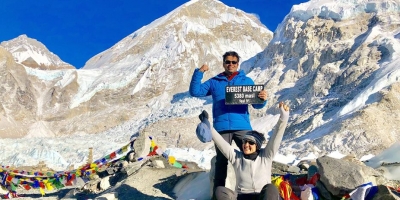
Everest Base Camp via Gokyo Ri is one of the most adventurous and scenic treks in Nepal, taking you deep into the heart of the Khumbu region. This trekking route not only allows you to reach the legendary Everest Base Camp but also provides a spectacular view of the Gokyo Lakes, Cho La Pass, and Kala Patthar. The trek begins with a short flight from Kathmandu to Lukla, where your trekking journey starts through Sherpa villages, monasteries, and lush forests. The trek covers a variety of terrains, from river valleys to high-altitude landscapes, making it ideal for travelers seeking both adventure and cultural immersion.The Khumbu region is renowned not only for Mount Everest (8,848 meters), the world’s tallest peak, but also for its vibrant Sherpa culture. “Sherpa” refers to the ethnic group inhabiting eastern Nepal, whose ancestors were originally called “Syarba” or “Serwa.” Over centuries, Sherpas have become legendary for their mountaineering skills and hospitality. Namche Bazaar, the main hub of the Khumbu region, serves as a gateway to high passes and major trekking routes. From here, trekkers can explore viewpoints like the Syanboche Panorama and Everest View Hotel, offering stunning vistas of Everest, Lhotse, and Ama Dablam.Flight from Kathmandu to Lukla (2,804m)Trek through Sherpa villages and Sagarmatha National ParkAcclimatization at Namche Bazaar (3,441m)Scenic viewpoints: Kalapathar (5,545m), Gokyo Ri (5,357m)Protected flora and fauna under Sagarmatha National ParkBest Season for Everest Base Camp via Gokyo RiThe best time to trek to Everest Base Camp via Gokyo Ri is during the pre-monsoon (spring) and post-monsoon (autumn) seasons.Spring (March to May): The temperatures are moderate, rhododendron forests bloom, and snow-covered peaks glisten under clear skies. It’s ideal for photography and cultural experiences in villages.Autumn (September to November): This season offers the clearest skies, perfect for panoramic mountain views. Temperatures are stable, and trails are less slippery compared to the spring melt.Short Highlights:Avoid the monsoon (June to August) due to heavy rainfall and slippery trailsWinter (December to February) offers snow trekking, but extremely cold conditionsEverest Base Camp via Gokyo Ri: Difficulty and TransportationThe trek is moderate to strenuous due to high-altitude trekking and long daily walks. Trekkers need to be prepared for physical challenges like steep ascents, variable weather, and thin air at higher altitudes. Acclimatization days at Namche Bazaar and Dingboche help reduce the risk of altitude sickness.Transportation:Flight from Kathmandu to Lukla (~40 min)Daily trekking (4–10 hours per day) covering 5–20 km, depending on elevation and trailReturn flight from Lukla to KathmanduShort Highlights:Trekking time: 10–15 days, depending on acclimatization and paceAltitude range: 2,610m (Phakding) to 5,545m (Kala Patthar)Requires good physical fitness and staminaFood and Accommodation for Everest Base Camp via Gokyo RiAccommodation in the Everest region ranges from basic teahouses to comfortable lodges with attached bathrooms and Wi-Fi. The further you trek, the more basic the lodging becomes, especially beyond Tengboche and Dingboche. Most lodges serve nutritious meals such as soups, rice, noodles, and local Nepali dishes, which are essential for maintaining energy and acclimatizing at higher altitudes.Short Highlights:Basic teahouses beyond Tengboche, modern options available in GokyoRecommended: full-board package for meals to manage cost and nutritionThe menu includes Nepali, Indian, Chinese, and continental foodWater: boil or purify, carry hydration packsEverest Base Camp via Gokyo Ri PermitsTrekking in the Everest region requires official permits, which Nepal Adventure Pilgrimage Treks & Expedition arranges for you. These include:Sagarmatha National Park Entry PermitTrekkers’ Information Management System (TIMS) CardThese permits ensure you are allowed to enter protected areas, and they support conservation efforts in the Khumbu region.Short Highlights:Issued by authorized trekking companies onlyRequired for legal trekking and insurance purposesEssential for high-altitude trekking and park accessWhy Choose Everest Base Camp via Gokyo RiChoosing the Gokyo Ri route provides a unique combination of adventure, scenery, and culture. Unlike the traditional Everest Base Camp route, this trek offers:Stunning views of Gokyo Lakes and Ngozumpa GlacierOpportunity to cross Cho La Pass for an adventurous challengePanoramic views from Gokyo Ri and Kala PattharImmersion in Sherpa culture and Buddhist monasteriesCarefully planned itinerary with rest and acclimatization days for safetyWith Nepal Adventure Pilgrimage Treks & Expedition, trekkers get expert guides, comfortable accommodation, full-board meal options, and proper trekking permits, ensuring a safe and unforgettable journey to the roof of the world.Everest Region Travel & Adventure Blog HighlightsAmazing Facts About on the Everest Base Camp TrekA Complete Guide to Everest Base Camp Trekking from May to Marchwhy we trek to nepal adventure pilgrimage with everest base camp?Top Highlights of the Everest View Short TrekEverest Three Passes Trekking in Nepal: Crossing Kongma La, Cho La and Renjo La Adventure Above 5,000mLangtang Trekking vs Everest Panorama TrekkingBest Time To Visit Everest Base Camp TrekGet ultimate trekking experience in the Everest region Trek 2022Tenzing Hillary AirportSherpa Villages and Everest Region: Must Do Trek in Nepal!Top 3 Treks to do in Autumn Season in NepalMake Your Trip More Unforgettable With Adventurous ThingsTrekking in Nepal in AugustTrekking In Nepal In MayTrekking in Nepal in AprilTrekking In Nepal In October 2022/2023Trekking in Nepal in September10 Most Beautiful Places In Nepal That You Should Visit OnceTour Packages in Nepal - How to get the Best?Trekking in the thin Air you can do it,with Nepal Adventure Pilgrimage TrekTop Hidden Gems in Nepal to Explore in 2026
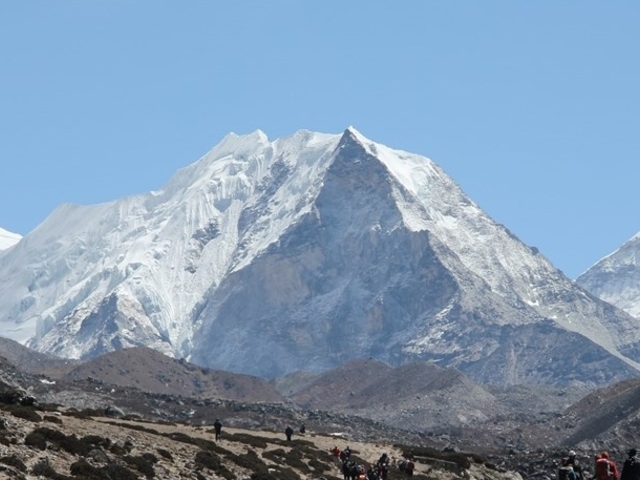
World’s superlative features of Mother Nature are present in Nepal. From world’s tallest Mt. Everest to the deepest gorge Kaligandaki and the world’s most beautiful mountain Amadablam. Embark today and harvest the allures of being alive in this serene Himalayas. Nepal Adventure Pilgrimage, a trekking agency based in Nepal, is delighted to endow the island's Peak Climbing package to the climbers to enjoy the magnificence of the Mt. Everest Khumbu region. Surrounded by lofty Himalayas like Everest, Lhotse Nuptse, Amadablam, Makalu and other numerous peaks, this gorgeous mountain has been an ideal climbing destination for aspiring climbers across the globe. Residing at a height of 6189 m on top of the Dingboche Valley amidst the lofty Himalayan peak adjacent to the Chhukung Ri the mountain has seen many legendary climbers set foot on its summit.We will take the climbers along the Everest Base Camp Trekking route up to world’s tallest mountain Mt. Everest and return back to the base camp. En-route to the summit, the chance to witness the adventurous Kong Ma La Pass, Chhukung Ri and stunning Dingboche Wind valley climbers will get autonomous acclimatization. This is the highlight and secret of the perfect itinerary planning of our trekking planner team. The spacious summit of the Island Peak allows the climbers to gather as much as views and memories as possible either via eyes, mind or camera. Sharp ridges and occasional crevasses too make it somewhat difficult. Your physical perseverance and endurance will be tested during Island Peak Climbing however it would not be as hard as expedition of the mountains above 7000 m height. Furthermore, pre planning and training before scaling the peak by our Sherpa would definitely pave way for the first timers on mountains as well.You just have to make a wish of scaling the most famous mountain of Nepal. We are here to materialize your dream journey in the most competitive package with the best hospitality and quality service. Island Peak Climbing can become your stepping stone for the further mountaineering glory in your life.How difficult Island Peak Climbing ?Island Peak (also known as Imja Tse) is a popular trekking peak in the Khumbu region of Nepal, with a summit elevation of 6,189 meters (20,305 feet). Climbing Island Peak requires a good level of physical fitness, as well as some technical climbing skills.The difficulty level of Island Peak climbing depends on several factors, including the weather conditions, the route you take, and your previous climbing experience. Some factors that could make Island Peak climbing challenging include:Altitude: Island Peak is a high-altitude peak, and climbers can experience altitude sickness. It's important to acclimatize properly and take the necessary precautions to avoid altitude-related health issues.Technical climb: The final ascent to the summit involves a steep, exposed snow and ice slope that requires the use of crampons, ice axes, and ropes. Climbers should have some experience with basic mountaineering techniques and be comfortable using the equipment.Weather conditions: The weather in the Himalayas can be unpredictable, and climbers may encounter high winds, snow, and cold temperatures. These conditions can make climbing more challenging and increase the risk of frostbite and other cold-related injuries.Overall, island peak climbing is considered a moderate-to-difficult climb, and it's recommended that climbers have some previous mountaineering experience before attempting it. Hiring a guide or joining a guided expedition can also help ensure a safe and successful climb.when is the best time to climb Island Peak ?The best time to climb Island Peak, also known as Imja Tse, is during the pre-monsoon season (April-May) and post-monsoon season (October-November). During these months, the weather is generally stable with clear skies and less precipitation, making it easier and safer to climb.The pre-monsoon season is generally considered the best time to climb Island Peak as the weather is warmer and the days are longer, allowing for more comfortable and efficient climbing. The post-monsoon season is also a popular time to climb Island Peak as the weather tends to be cooler and there are fewer crowds.It's worth noting that the weather in the Himalayas can be unpredictable, and climbers should always be prepared for sudden changes in weather conditions, regardless of the time of year. It's also important to consult with local guides and authorities to ensure that you are climbing at a safe and appropriate time.Can I trek solo with a guide to Island Peak Climbing?Yes, it is possible to trek solo with a guide to Island Peak climbing, but it is important to note that solo trekking in Nepal is not allowed in many areas, including the Island Peak region. Therefore, it is always recommended to hire a guide for any trekking or climbing activities in Nepal, for your safety and to comply with local regulations.Island Peak, also known as Imja Tse, is a popular climbing peak located in the Khumbu region of Nepal, which is also the location of Mount Everest. It requires technical climbing skills, and thus, it is not recommended for beginner trekkers or climbers. Hiring a guide with experience in climbing Island Peaks will ensure that you are safe and properly equipped for the trek.A guide can also help you navigate the local culture and customs, as well as provide insight into the local flora and fauna. They can also arrange for permits, accommodation, and transportation, making your trekking experience smoother and more enjoyable.In summary, while it is possible to trek solo with a guide to Island Peak, it is always recommended to hire a guide for your safety and to comply with local regulations.
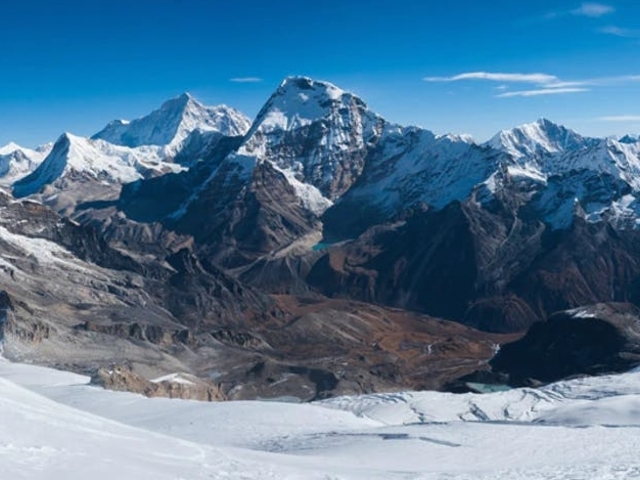
Mera Peak is one of the most popular trekking peaks in Nepal and a dream destination for climbers who wish to experience high-altitude mountaineering without extremely technical climbing challenges. With an elevation of approximately 6,476 meters above sea level, it is considered one of the highest trekking peaks in Nepal. Nepal Adventure Pilgrimage Treks & Expedition invites adventure enthusiasts from around the world to embark on this remarkable Himalayan journey that combines thrilling trekking routes, cultural exploration, and breathtaking mountain scenery.The expedition follows an alternative route in the Everest region that passes through the beautiful Hinku Valley, far from the busy Everest Base Camp trail. During the trek, climbers walk through diverse landscapes ranging from lush rhododendron forests to alpine meadows where yaks graze peacefully. The route also offers stunning views of some of the world’s highest mountains, including Mount Everest, Makalu, Cho Oyu, and Lhotse.The adventure begins with a scenic mountain flight to Lukla Airport, one of the most thrilling airports in the world. From Lukla, the trail gradually ascends through remote Sherpa villages and high mountain passes before reaching the pristine glacial landscapes of Mera Peak. Along the way, trekkers encounter pristine lakes, glaciers, and the stunning Tshabal Tsho Lake, adding natural beauty to the expedition.Nepal Adventure Pilgrimage Treks & Expedition emphasizes safety, experienced guidance, and well-planned itineraries. Our professional guides ensure climbers are properly acclimatized and equipped for the journey. Mera Peak is often considered the perfect first Himalayan climbing experience, allowing trekkers to step into the world of mountaineering with confidence.Climb one of Nepal’s highest trekking peaks (6,476 m)Scenic flight to Lukla airportStunning views of Everest, Makalu, and other Himalayan giantsTrek through remote Hinku Valley landscapesExperience Sherpa culture and mountain villagesIdeal introductory Himalayan climbing adventureBest Season for Mera Peak ClimbingChoosing the right season is essential for a successful Mera Peak expedition. The best times for climbing are spring (March–May) and autumn (September–November). During these seasons, the weather is generally stable, skies remain clear, and mountain views are at their best. These conditions provide safer climbing opportunities and allow climbers to enjoy the beauty of the Himalayas.Spring brings blooming rhododendron forests and moderate temperatures, making trekking pleasant throughout the lower valleys. Climbers also enjoy longer daylight hours and warmer conditions compared to winter. Autumn, on the other hand, is known for its crystal-clear skies after the monsoon season, offering spectacular panoramic mountain views.Although it is possible to climb Mera Peak in winter or early summer, these seasons bring additional challenges such as heavy snowfall, cold temperatures, or unpredictable weather conditions. Therefore, Nepal Adventure Pilgrimage Treks & Expedition recommends planning your expedition during the peak trekking seasons for the best overall experience.Best seasons include:Spring: March – MayAutumn: September – NovemberAdvantages of these seasons:Stable weather conditionsClear Himalayan viewsSafer climbing environmentComfortable trekking temperaturesMera Peak Climbing Difficulty and TransportationMera Peak is categorized as a moderate trekking peak in Nepal. Unlike highly technical mountains, it does not require advanced climbing skills or extensive mountaineering experience. However, the altitude is the main challenge. Climbers must be physically fit and capable of walking for several hours daily while gradually ascending to elevations above 6,000 meters.Nepal Adventure Pilgrimage Treks & Expedition carefully designs the itinerary with proper acclimatization days to help trekkers adjust to the altitude. Basic mountaineering skills such as using crampons, ropes, and ice axes are taught by experienced guides before the summit push. With proper preparation and guidance, even first-time climbers can successfully reach the summit.Transportation plays a major role in the adventure. The journey typically begins with a scenic mountain flight from Kathmandu to Lukla. This short flight offers spectacular views of the Himalayan landscape and is considered one of the most exciting flights in the world.Difficulty overviewModerate trekking and climbing difficultyNo advanced technical climbing skills requiredHigh altitude (above 6,000 m) is the main challengeProper acclimatization is essentialTransportation during the tripFlight from Kathmandu to LuklaTrekking through mountain trails and villagesReturn flight from Lukla to KathmanduFood and Accommodation for Mera Peak ClimbingDuring the Mera Peak expedition, trekkers stay in comfortable teahouses and lodges along the trekking route. These accommodations are simple but provide warm hospitality and basic facilities such as beds, blankets, and dining areas. As the trek progresses to higher elevations, accommodations become more basic, reflecting the remoteness of the region.At higher camps such as Mera High Camp, climbers stay in expedition tents arranged by the climbing team. These camps are set up by experienced staff to ensure safety and comfort during the summit attempt. Nepal Adventure Pilgrimage Treks & Expedition provides well-organized camping logistics and trained cooks for meals at higher altitudes.Food is an important aspect of maintaining energy during the trek. Trekkers can enjoy a variety of local and international dishes including traditional Nepali meals, soups, pasta, noodles, rice, vegetables, and hot drinks.Typical meals include:Dal Bhat (traditional Nepali meal)Fried rice and noodlesSoups and vegetablesTea, coffee, and hot drinksBreakfast items such as eggs, bread, and porridgeThese meals provide the energy needed for trekking and climbing in high mountain environments.Mera Peak Climbing PermitsClimbing Mera Peak requires several permits issued by the Nepalese government and trekking authorities. These permits help regulate trekking activities and support conservation efforts in the Himalayan region.Nepal Adventure Pilgrimage Treks & Expedition arranges all necessary permits for climbers before the expedition begins. This allows travelers to focus entirely on enjoying the adventure without worrying about administrative procedures.The permits required for Mera Peak climbing include:Mera Peak Climbing PermitMakalu Barun National Park Entry PermitLocal Area Permit (Khumbu Region)TIMS Card (Trekkers’ Information Management System)These permits ensure safe and regulated trekking within protected mountain areas.Why Choose Mera Peak ClimbingMera Peak is an excellent choice for trekkers who want to experience high-altitude climbing while enjoying the natural beauty of the Himalayas. The mountain offers one of the best panoramic views in Nepal, including five of the world’s highest peaks. The climb provides a sense of achievement and an unforgettable adventure.Choosing the right trekking company is equally important for a successful expedition. Nepal Adventure Pilgrimage Treks & Expedition is committed to providing safe, well-organized, and memorable Himalayan journeys. Our experienced guides, strong logistical support, and personalized service ensure that every climber enjoys a rewarding adventure.Our team focuses on safety, responsible tourism, and cultural respect while guiding climbers through the remote Himalayan landscapes. With years of field experience, we carefully design itineraries that allow proper acclimatization and maximize the chances of a successful summit.Reasons to choose Nepal Adventure Pilgrimage Treks & ExpeditionExperienced and licensed trekking guidesWell-planned itineraries with acclimatizationReliable logistics and safety measuresAuthentic Himalayan cultural experiencesPersonalized service for every climber
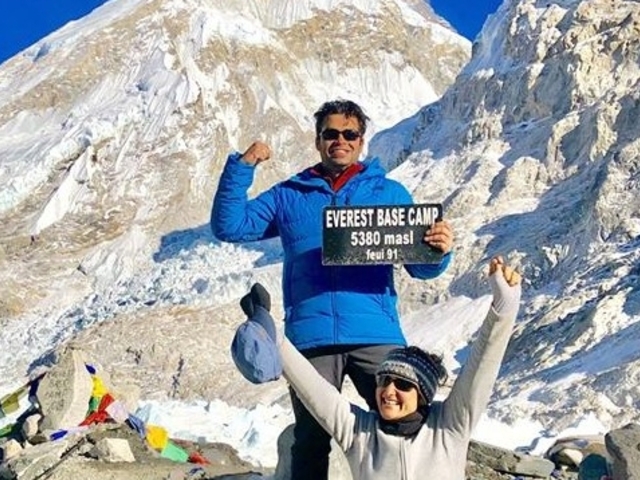
Lobuche East Peak Climbing is one of the most exciting and rewarding trekking peak adventures in the Everest region of Nepal. Standing at an altitude of 6,119 meters (20,070 ft), Lobuche East offers climbers an incredible opportunity to experience Himalayan peak climbing while following the legendary route toward the Everest Base Camp. The journey begins with your arrival in Kathmandu and a scenic mountain flight to Lukla, the gateway to the Khumbu region. From Lukla, trekkers pass through beautiful Sherpa villages like Phakding, Namche Bazaar, Tengboche, Dingboche, and Lobuche before reaching the base camp of the peak.The peak itself is famous for its striking black triangular summit rising above the Khumbu Glacier, creating a dramatic skyline that fascinates climbers and trekkers alike. The ascent includes trekking through lush forests, alpine landscapes, glaciers, and high mountain valleys. During the trek, climbers are rewarded with breathtaking views of Himalayan giants such as Mount Everest, Lhotse, Nuptse, Ama Dablam, Cholatse, Tabuche, and Makalu. These magnificent panoramas help climbers forget the physical effort required during the journey.The itinerary is carefully designed with proper acclimatization days at places like Namche Bazaar and Dingboche to help climbers adapt to the increasing altitude. The adventure also includes a visit to Everest Base Camp (5365 m) and a sunrise hike to Kala Patthar (5545 m) before the final climb. This combination makes Lobuche East Peak Climbing not only a mountaineering challenge but also a classic Everest trekking experience.Nepal Adventure Pilgrimage Treks & Expedition provides professional climbing guides, excellent logistical support, and experienced Sherpa teams to ensure a safe and memorable climbing journey. Their expertise in organizing Himalayan expeditions ensures that climbers enjoy both adventure and comfort throughout the trip.Scenic flight from Kathmandu to LuklaTrek through Sherpa villages and monasteriesVisit to Everest Base Camp and Kala PattharSpectacular views of Everest and surrounding peaksExciting glacier and snow climbing experienceBest Season for Lobuche East Peak ClimbingChoosing the right season is crucial for a successful Lobuche East Peak Climbing expedition. The spring season (March to May) and autumn season (September to November) are considered the best times for this adventure. During these months, the weather is generally stable, the skies remain clear, and climbers can enjoy stunning views of the surrounding Himalayan peaks.Spring is particularly popular because the Khumbu region becomes vibrant with blooming rhododendron forests and mild temperatures. The climbing routes are more stable, and the snow conditions are favorable for summit attempts. In addition, many major expeditions to Mount Everest occur during spring, which creates a lively atmosphere along the trail. Climbers also get the chance to interact with mountaineers from around the world.Autumn is another excellent season for climbing Lobuche East Peak. After the monsoon rains wash away dust and haze, the skies become crystal clear, offering exceptional mountain views. The temperatures are moderate, and the trekking trails are dry and comfortable for walking. Autumn also coincides with Nepal’s major festivals such as Dashain and Tihar, allowing climbers to experience rich local culture.Although climbing is possible in winter and early monsoon periods, these seasons are less recommended due to extremely cold temperatures, heavy snowfall, and unstable weather conditions.Spring (March–May): Warm weather and blooming landscapesAutumn (September–November): Clear skies and stable climateWinter (December–February): Very cold but less crowdedMonsoon (June–August): Rain and poor visibilityLobuche East Peak Climbing Difficulty and TransportationLobuche East Peak Climbing is generally considered a moderately challenging Himalayan climbing adventure. While the trek to base camp is similar to the Everest Base Camp trek, the summit climb involves glacier travel, steep snow slopes, and the use of basic mountaineering equipment such as crampons, ice axes, ropes, and harnesses. However, with proper guidance and training from experienced Sherpa guides, even climbers with limited technical experience can successfully reach the summit.The major challenge during the climb is high altitude, as climbers reach elevations above 6,000 meters. Proper acclimatization is therefore extremely important. The itinerary includes acclimatization hikes such as Nagarjun Hill and rest days in Namche Bazaar and Dingboche to reduce the risk of altitude sickness. Good physical fitness, endurance, and mental determination play a crucial role in completing the expedition.Transportation for Lobuche East Peak Climbing begins with your arrival in Kathmandu, followed by a thrilling mountain flight to Lukla (2,804 m). This short flight offers spectacular aerial views of the Himalayan range and lands at one of the world’s most famous mountain airstrips. From Lukla, the journey continues on foot through the Everest region until reaching Lobuche High Camp, from where the summit push begins.Moderate climbing difficultyBasic mountaineering skills requiredScenic Kathmandu–Lukla mountain flightGradual acclimatization during the trekGuided summit climb with Sherpa supportFood and Accommodation for Lobuche East Peak ClimbingDuring the Lobuche East Peak Climbing journey, climbers experience a combination of comfortable teahouse lodges and high-altitude camping. From Lukla to Lobuche village, trekkers stay in traditional mountain lodges run by local Sherpa families. These lodges provide basic yet cozy rooms with twin beds, blankets, and warm dining areas where climbers gather in the evenings.The food available during the trek is nutritious and designed to provide enough energy for long walking days. Trekkers can enjoy a variety of meals, including Dal Bhat (rice, lentils, and vegetables), noodles, soups, pasta, potatoes, eggs, pancakes, and tea or coffee. Dal Bhat is especially popular because it is healthy, filling, and often comes with unlimited refills.Once climbers reach Lobuche High Camp, accommodation shifts to tented camping. The climbing crew sets up tents for sleeping, cooking, and dining. Meals during the climbing phase are prepared by experienced expedition cooks and include warm soups, pasta, rice dishes, and high-energy snacks. Maintaining proper hydration and nutrition is extremely important at high altitude.Teahouse lodges along the trekking routeComfortable dining halls with heating stovesHigh-altitude camping at Lobuche High CampNutritious Himalayan and international mealsExperienced cooks and support staffLobuche East Peak Climbing PermitsClimbing Lobuche East Peak requires several official permits issued by the Nepalese government and local authorities. These permits ensure that climbers follow safety regulations and support conservation efforts in the Everest region. All permits are arranged by Nepal Adventure Pilgrimage Treks & Expedition, allowing climbers to focus entirely on their adventure.The main permit required is the Lobuche East Peak Climbing Permit, which is issued by the Nepal Mountaineering Association (NMA). The cost of this permit varies depending on the climbing season. In addition to the climbing permit, trekkers must also obtain the Sagarmatha National Park Entry Permit, as the entire trekking route lies within this protected UNESCO World Heritage site.Another important permit is the Khumbu Pasang Lhamu Rural Municipality Permit, which supports local infrastructure and tourism management in the Everest region. These permits are checked at various checkpoints along the trekking trail.Lobuche East Peak Climbing Permit (NMA)Sagarmatha National Park Entry PermitKhumbu Pasang Lhamu Rural Municipality PermitTIMS card (depending on trekking regulations)Physical Conditions and Experience Requirements20 days of Lobuche East Peak Climbing is considered moderate. If you jog or perform morning walks regularly, then it would not be a problem for you to walk on the trail. However, it is highly recommended that you start doing mild exercises one month before your Peak Climbing date. This would help in creating the best Himalayan walking holiday experience. Having said that, it should be noted Technical Skill are not needed. The major hurdle is altitude. Therefore, a person having a past medical history of lung, heart, and blood diseases is strongly advised to consult their doctor before embarking on this journey.Why Choose Lobuche East Peak ClimbingLobuche East Peak Climbing is an ideal adventure for trekkers who wish to transition from trekking to Himalayan mountaineering. The climb combines the famous Everest Base Camp trek with an achievable 6,000-meter summit, making it one of the most popular trekking peaks in Nepal. Climbers not only reach a spectacular summit but also experience the rich Sherpa culture, ancient monasteries, and breathtaking landscapes of the Khumbu region.Another reason to choose Lobuche East Peak is the incredible panoramic view from the summit. On a clear day, climbers can witness a vast panorama of Himalayan giants, including Everest, Lhotse, Nuptse, Ama Dablam, Pumori, and Makalu. Standing on the summit after days of trekking and climbing is an unforgettable achievement that creates lifelong memories.Booking your adventure with Nepal Adventure Pilgrimage Treks & Expedition ensures professional service, experienced climbing guides, and excellent logistical support throughout the expedition. The company focuses on safety, personalized service, and authentic Himalayan experiences, making your journey both thrilling and comfortable.Perfect introduction to Himalayan peak climbingCombines the Everest Base Camp trek with the summit climbStunning panoramic mountain viewsRich Sherpa culture and Himalayan landscapesProfessional guides and support team
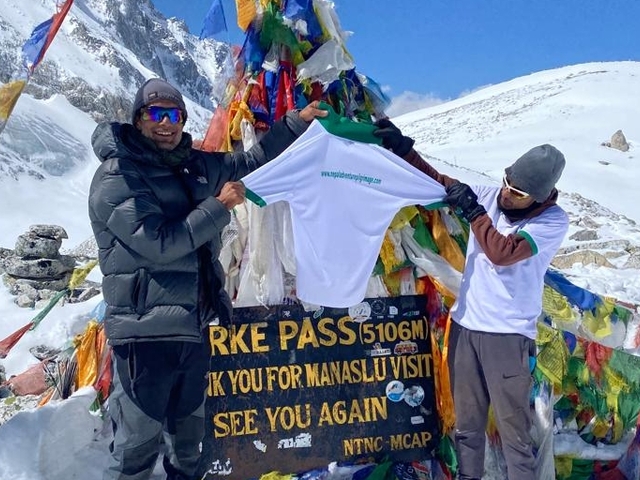
Manaslu via Tsum Valley Trek. With great pleasure, the Nepal Adventure pilgrimage offers you the Tsum Valley Trek, which is opened recently to foreigners in 2007. The most significant attribute of this trek is the high altitude, the Tibetan culture, where locals still follow the polyandry system, and the Bon religion. The Tsum Valley is enclosed by the Ganesh Himal to the south, Buddha Himal and Himal Chuli to the west, and Sringi Himal to the North. It is believed that great Buddhist Guru Milarepa had once meditated in the mountain caves of this valley, so it is also known to be one of the eight sacred valleys (called Beyuls) in the inner Himalayas and home to a pilgrimage. Tsum is derived from the Tibetan word “Tsombo”, meaning vivid. As the name implies, its natural scenic views and richness in Tibetan culture, art, and religion make it a remarkable and vivid haven.Only a few travelers have made it into this astounding valley, which used to be an important trade link with Tibet. As it is a remote destination, this divine valley has been untouched by mainstream people for generations, which has resulted in the unique culture of this valley to be intact. The region, once part of Tibet, looks totally different from what you will find elsewhere. The general population of Tsum Valley, or the Tsumbas, belongs to Tibetan origin with their own antiquated type of language, society, art, and religion. On the way to this trip, you can have the traditional Tibetan tea (butter tea) and a local meal. The Buddhist monks accompany the groups of trekkers.Manaslu via Tsum Valley Trek has a long history of Buddhism, and its path is covered with artistic Chortens and lined with Mani walls made of a large number of stone slabs carved with deities and prayers. It consists of less steep climbing and more hiking. Overall Tsum Valley Trek is adventurous, it is not so difficult to pass, and one can have the views of glorious mountain ranges. Walking beside the Budi Gandaki River, the path follows beautiful forest, hilly villages, and terraced fields. Additionally, you can experience glacial rivers, alpine forests, and hospitable people on this trek. As you hike, you will pass these beautiful neighborhoods, namely Jagat, Rachen Gompa, Mu Gompa, Philim, and some other beautiful places where you can enjoy their serenity. The Manaslu and Tsum Valley Trek is suitable for all kinds of trekkers. You can trek around March to May and August to November as it is considered the best season of the year for this trek.Accommodation during Manaslu and Tsum Valley Trek In the Manaslu trek, every night the trekkers will stay in the local teahouse. Most of the teahouse is basic but comfortable. In the teahouse, you can find the common area for relaxing, meals, and others. You eat healthy and tasty food on the trekking tour. The trekkers stay warm and secure at overall the night.Most of the people choose the Manaslu trekking tour for their vacation due to some reasons, such as being less crowded, avoiding the need for domestic flights, trekking in a remote area, and others. Manaslu is the eighth-tallest peak in the world. It is located more than 8160 meters above sea level. In the trekking tour, you can see the wildlife, forest, small villages, river, and other things. You no need to bring the food, tents, and other items to the trekking tour. The Manaslu trekking tour is more affordable than the other trekking tours in Nepal.DifficultyThe trekking in the Manaslu Region is fairly strenuous. The trekker's physical condition determines the difficulty of trekking in the Manaslu Region. Make sure you have some physical exercise before starting the trek! Increase your core strength with cardio workouts, jogging, or maybe dancing too! The Manaslu Trek, which takes you through remote Himalayan communities, is one of Nepal's most difficult walks. It is an off-the-beaten-path trek in Nepal.Can you do trekking in the Manaslu Trek via Tsum Valley region solo?The Manaslu Circuit is not accessible to anyone who prefers to travel alone. You may have to save your Alexander Supertramp enthusiasm for another journey. A solo trekker has been limited by the authorities. A minimum of two people must be in a group with a guide. If you want to go the opposite way, you'll need a 'ghost' trekker permit (which will still require a foreign passport) and a guide (obviously). Restricted Area Permit, Manaslu Conservation Area Permit (MCAP), and Annapurna Conservation Area Project (ACAP) Permit are the other permissions you'll requireRequired permit for Manaslu and Tsum Valley Trek Yes, you need a special permit to trek in the Manaslu and Tsum Valley region of Nepal. These permits are issued by the Nepali government and are required for all foreign trekkers.In addition to the restricted area permit, trekkers are also required to obtain a TIMS (Trekkers Information Management System) card, which costs USD $20 per person. The TIMS card is a registration card that helps to ensure the safety and security of trekkers in Nepal.For the Tsum Valley Trek, you need to obtain a separate permit, called the Tsum Valley Special Permit, which costs USD $40 per person for the first week and USD $7 per day for each additional day. This permit is required for all trekkers entering the Tsum Valley Conservation Area.The Manaslu Trek requires a restricted area permit, also known as a Manaslu Trek Permit, which costs USD $100 per person for the first week and USD $15 per day for each additional day. This permit is required for all trekkers entering the Manaslu Conservation Area.It is important to note that both permits must be obtained through a registered trekking agency in Nepal, and a licensed guide is also required for both treks.Best Time for Manaslu and tsum Valley TrekThe best time to do the Manaslu and Tsum Valley Trek is during the spring (March to May) and autumn (September to November) seasons. During these months, the weather is generally dry and stable, making for comfortable trekking conditions and good visibility of the stunning mountain scenery. In the spring season, the weather is generally warmer, and the rhododendron forests along the trail are in full bloom, making for a beautiful and colorful trekking experience. However, the trail can be quite crowded during this season, as it is a popular time for trekking in Nepal. In the autumn season, the weather is cooler, and the skies are generally clear, offering some of the best views of the Manaslu range and surrounding peaks. The trail is also less crowded during this time, making for a quieter and more peaceful trekking experience. It is possible to trek in the Manaslu and Tsum Valley region during the winter and monsoon seasons, but the weather can be unpredictable, and the trails may be more challenging to navigate.Manaslu Region Travel & Adventure Blog HighlightsTop Facts About the Manaslu Circuit Trek You Need to KnowExploring the Manaslu Circuit via the Hidden Tsum ValleyUnveiling the trek cost of Manaslu Circuit TrekWhat are the popular Trekking Routes of Manaslu Region?Manaslu Journeying - An earnest quest of Restricted region of NepalManaslu Circuit Trek WeatherTop 3 Treks to do in Autumn Season in NepalMake Your Trip More Unforgettable With Adventurous ThingsTrekking in Nepal in AugustTrekking In Nepal In MayTrekking in Nepal in AprilTrekking In Nepal In October 2022/2023Trekking in Nepal in September10 Most Beautiful Places In Nepal That You Should Visit OnceTour Packages in Nepal - How to get the Best?Trekking in the thin Air you can do it,with Nepal Adventure Pilgrimage TrekTop Hidden Gems in Nepal to Explore in 2026
The Nar Phu Valley to Annapurna Circuit Trek is one of the most fascinating and adventurous trekking routes in Nepal. Organized by Nepal Adventure Pilgrimage Treks & Expedition, this trek combines the hidden wilderness of the Nar and Phu valleys with the world-famous Annapurna Circuit trail. Nar and Phu are two remote Himalayan villages located north of the Annapurna region and are surrounded by dramatic landscapes, ancient monasteries, and towering snow-capped peaks. The region remained closed to trekkers until 2003, which is why it still preserves its untouched beauty, traditional Tibetan culture, and pristine mountain environment.The journey begins in Kathmandu with preparation and sightseeing before driving to Besisahar and then to Koto, the gateway to the hidden Nar Phu Valley. From here, trekkers follow a rugged trail along the Nar Phu River, passing deep canyons, high cliffs, and remote settlements before reaching Meta, Phu Village, and Nar Village. These villages showcase ancient Buddhist culture, prayer flags, chortens, and monasteries that reflect centuries-old Himalayan traditions.As the trek continues, it reconnects with the Annapurna Circuit trail through Ngawal and Manang. Trekkers will experience breathtaking views of famous Himalayan peaks such as Annapurna Massif, Lamjung Himal, Machhapuchhre, Manaslu, Dhaulagiri, and Tilicho Peak. One of the most thrilling moments of the trek is crossing Thorong La Pass at 5,416 meters before descending to the sacred pilgrimage site of Muktinath Temple.Explore remote Tibetan-influenced villages: Nar and PhuWalk through the restricted and less-explored Himalayan valleyCross the famous Thorong La Pass (5,416 m)Experience authentic Himalayan culture and monasteriesEnjoy panoramic views of the Annapurna, Manaslu, and Dhaulagiri rangesBest Season for Nar Phu Valley to Annapurna Circuit TrekChoosing the right season is very important for a successful and enjoyable trekking experience in the Nar Phu Valley and Annapurna region. The best seasons for trekking are spring (March to May) and autumn (September to November). During these seasons, the weather is stable, the skies are clear, and trekkers can enjoy stunning mountain views and comfortable trekking conditions.Spring is a particularly beautiful time to visit the region. During this season, the trails are decorated with blooming rhododendron forests and colorful alpine flowers. Temperatures are moderate, making it easier for trekkers to walk for long hours while enjoying magnificent views of the surrounding Himalayan peaks. Wildlife sightings are also more common in the Annapurna Conservation Area during this time.Autumn is considered the most popular trekking season in Nepal. After the monsoon rains, the atmosphere becomes crystal clear and the mountains appear exceptionally sharp and bright. The temperatures are pleasant during the day and slightly cold at night, which is ideal for trekking in high-altitude regions like Manang and Thorong La Pass.Spring (March – May): Clear weather, blooming flowers, and comfortable temperaturesAutumn (September – November): Best mountain views and stable climateWinter (December – February): Cold but possible with proper preparationSummer/Monsoon (June – August): Rainy season with landslides and slippery trailsNar Phu Valley to Annapurna Circuit Trek: Difficulty and TransportationThe Nar Phu Valley to Annapurna Circuit Trek is considered a moderately challenging to difficult trek. This is mainly due to the remote trails, high altitude, and the crossing of Thorong La Pass at 5,416 meters. Trekkers need good physical fitness and previous trekking experience to comfortably complete this adventure. The trek involves walking for 5 to 8 hours daily on rugged mountain paths, high passes, and remote valleys.Altitude is another major challenge during the trek. The route gradually ascends from around 800 meters in Besisahar to more than 5,000 meters at Thorong La Pass. Proper acclimatization days in Phu and Manang are included in the itinerary to reduce the risk of altitude sickness. Trekkers are advised to walk slowly, drink enough water, and follow the guidance of experienced trekking guides.Transportation is part of the adventure itself. The journey starts with a scenic drive from Kathmandu to Besisahar, followed by an off-road jeep ride to Koto. After completing the trek in Muktinath and Jomsom, trekkers usually take a short flight to Pokhara and then return to Kathmandu by tourist bus or domestic flight.Drive from Kathmandu to Besisahar (7–8 hours)Jeep ride from Besisahar to KotoTrekking through Nar and Phu valleysFlight from Jomsom to PokharaTourist bus drives from Pokhara to KathmanduFood and Accommodation for Nar Phu Valley to Annapurna Circuit TrekFood and accommodation during the Nar Phu Valley to Annapurna Circuit Trek are simple but comfortable. Most trekking routes in the region provide teahouse or lodge accommodation, which are small guesthouses run by local families. These lodges provide basic twin-sharing rooms with beds, mattresses, pillows, and blankets. However, attached bathrooms and private rooms are limited in remote areas like Nar and Phu.Despite being remote, trekkers can enjoy a variety of meals during the trek. The most common meal in Nepal is Dal Bhat, a nutritious combination of rice, lentil soup, vegetable curry, and pickles. It is considered the best meal for trekking because it provides plenty of energy for long walking days. Other food options such as noodles, pasta, soups, fried rice, pancakes, chapati, bread, and dumplings are also widely available.In higher altitude areas, food variety may be slightly limited due to transportation challenges. However, the meals are freshly prepared and hygienic. Trekkers are encouraged to eat warm food, drink plenty of tea, and stay hydrated throughout the journey.Dal Bhat (rice, lentils, and vegetables)Noodles and fried riceTibetan bread and chapatiMomos (Nepali dumplings)Soups, pancakes, and hot drinksNar Phu Valley to Annapurna Circuit Trek PermitsSince Nar Phu Valley is a restricted trekking region, trekkers must obtain special permits before entering the area. The Government of Nepal requires trekkers to travel with a registered trekking agency and licensed guide. **Nepal Adventure Pilgrimage Treks & Expedition assists trekkers in arranging all the necessary permits and documentation for the trek.The most important permit is the Restricted Area Permit (RAP) for Nar Phu Valley. This permit ensures controlled tourism and helps preserve the cultural and natural environment of the region. In addition, trekkers must also obtain an Annapurna Conservation Area Permit (ACAP) to enter the Annapurna region.These permits are checked at multiple checkpoints along the trail. It is important to carry copies of permits and personal identification during the trek.Nar Phu Valley Restricted Area Permit (RAP)Annapurna Conservation Area Permit (ACAP)Registered guide through a licensed trekking companyWhy Choose Nar Phu Valley to Annapurna Circuit TrekThe Nar Phu Valley to Annapurna Circuit Trek is perfect for trekkers seeking a unique and less crowded Himalayan adventure. Unlike popular trekking routes, Nar Phu Valley offers untouched landscapes, traditional Tibetan culture, and remote Himalayan settlements that remain largely unchanged by modern development. This makes the trek a special opportunity to experience authentic mountain life in Nepal.Trekkers will explore ancient monasteries, yak pastures, deep gorges, and high mountain passes while enjoying some of the most spectacular views in the Himalayas. The combination of hidden valleys and the famous Annapurna Circuit creates a diverse trekking experience filled with natural beauty, cultural exploration, and physical challenge.Choosing **Nepal Adventure Pilgrimage Treks & Expedition ensures a safe and memorable trekking experience. With experienced guides, well-planned itineraries, and excellent customer service, the company provides professional support from arrival in Kathmandu until the end of the journey.Explore one of Nepal’s hidden Himalayan valleysExperience authentic Tibetan culture and monasteriesTrek through the Annapurna Conservation AreaCross the iconic Thorong La PassProfessional guidance from experienced trekking expertsAnnapurna Region Travel & Adventure Blog HighlightsAnnapurna Base Camp Trek Weather 2023/2023Best Time to Visit Annapurna Base CampBest Time To Do Annapurna Circuit TrekAnnapurna Circuit Trek: A Beginner’s GuideExperience Himalayan Majesty: Annapurna Circuit and Upper Mustang TrekExploring Hidden Gems: Nar Phu Valley to Annapurna Circuit Trek 2026Exploring Tilicho Lake on the Annapurna Circuit TrekHighest Lakes in the World: Tilicho Lake & Thorong La Pass on the Annapurna Circuit TrekMajor Facts About the Annapurna Base Camp TrekTop 3 Treks to do in Autumn Season in NepalMake Your Trip More Unforgettable With Adventurous ThingsTrekking in Nepal in AugustTrekking In Nepal In MayTrekking in Nepal in AprilTrekking In Nepal In October 2022/2023Trekking in Nepal in September10 Most Beautiful Places In Nepal That You Should Visit OnceTour Packages in Nepal - How to get the Best?Trekking in the thin Air you can do it,with Nepal Adventure Pilgrimage TrekWhy Ghorepani Poon Hill Trek Is Perfect for Beginners in 2026
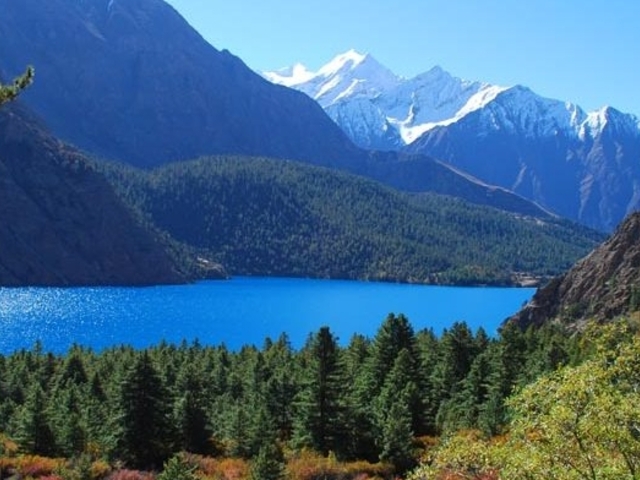
An area beyond the Himalayas, which conjures up the beauty of ancient monasteries, blue sheep and snow leopard, Dolpo is one of the most remote regions in Nepal and is located in the western part of the country between the Tibetan plateau and the Dhaulagiri ranges. The Upper Dolpo Trekking is about 24 days, which requires the trekkers to get special permission from the government. The Upper Dolpo hiking is famous as remote and restricted trekking destination in Nepal. The Dolpo district is an exceptionally isolated region, which hasn’t been in touch with the modern lifestyle, so the culture and way of living have remained same since ancient period. The trekking region was closed to foreigners until late eighties, but still trekkers aren’t allowed to go without any acquaintance, therefore group trekking is suggested for this trek route. Don’t miss the once in a lifetime opportunity to go to this trekking if you are physically capable and have got enough time to spare here. You are required to have previous experience is high altitude trekking.Upper Dolpo Trek goes through lovely valleys, local settlements, intriguing spots, enormous mountains and greenery woods of pines, oaks, rhododendrons and so on. The fundamental feature of the trek is terrific scenes, remote village of Ringmo, astounding Shey Phoksundo Lake, which is the deepest lake of Nepal, Dho Tarap, which is the locality of people at highest altitude in the world, Shey Ghumpa, which is known to be the most important gumba in Nepal and the hundreds years old monasteries. The books called “The Snow Leopard” and “Himalayan Pilgrimage” written by Peter Matthiessen and David Snellgrove has added to the persona and fascination of Dolpo. Both of them went by the Shey Gompa, to the north of the Phoksundo Lake, Inner Dolpo. This is the objective of most trekkers yet this Upper Dolpo trek will take you significantly into mystique area. The exotic half plant, half animal species, Yarsa Gumba is also found in this region.Upper Dolpo region is remote from the city area, and your arrival will be arranged in two flights. From Kathmandu, you’ll fly to the town of Nepalgunj and stay overnight there. Next morning you will get into forty five minute flight to Juphal and that same day you’ll be able to trek on to Chunuwar. June, July and August are considered to be the best month of the year for this trek .Regardless, it’ll still be cold, particularly at night, so ensure to pack your warm jacket and a four-season sleeping bag.Physical Conditions and Experience Requirements24 days of upper Dolpo Trekking is considered as moderate. If you jog or perform morning walks regularly then it would not be any problem for you to walk on the trail. However, it is highly recommended that you should start doing mild exercises one month prior to your trekking date. This would help in creating best Himalayan walking holiday experience. Having said that, it should be noted Technical Skill are not needed. The major hurdle is an altitude. Therefore, person having past medical history of lung, heart and blood diseases are extremely advised to consult your doctor before embarking on this journey.Additional InformationYou can surf through our website for the more information regarding services, altitudes, terrain difficulty and requirements. If you want to know more about Nepalese culture, traditions and other FAQs answers then please Contact us by email feel free to inquire further. Call us any time at Nepal adventure pilgrimage.Why is the upper Dolpo a restricted region in Nepal?Upper Dolpo is a restricted region in Nepal due to its proximity to the border with Tibet, its unique culture, and its fragile environment. Upper Dolpo is located in the remote region of western Nepal, and it shares a border with Tibet. The Nepalese government has designated Upper Dolpo as a "restricted region" to protect its unique culture and environment, and to prevent illegal border crossings.Upper Dolpo is home to the Dolpo people, who have a distinct culture and language. The Dolpo people are known for their traditional way of life, including their use of yaks for transportation and their practice of Tibetan Buddhism. The government has restricted access to the region to protect the Dolpo people's culture and way of life.The environment of Upper Dolpo is also fragile, with high-altitude desert landscapes, unique flora and fauna, and limited water resources. The government restricts access to the region to limit the impact of tourism on the environment and to preserve its natural beauty.To enter Upper Dolpo, foreigners must obtain a special permit from the Nepalese government, and they must be accompanied by a licensed guide. The permit fee is also much higher than for other regions of Nepal. The restrictions on travel to Upper Dolpo are designed to protect its unique culture, fragile environment, and border security.Alternative trekking packages in NepalWe have many adventurous treks in Nepal, like the Manaslu circuit. We have hand-picked these trekking packages for experienced trekking looking for a challenging venture in the Himalayas. The packages are the Kanchenjunga circuit trek, Manalu base camp trek, Everest three high passes trek, Upper Dolpo trek, and Langtang Gosaikunda Helambu trek.Beginner trekkers can check out these packages- Langtang valley trek, Ghorepani Poon hill trek, Mardi Himal trek, Everest Panorama trek, and Khopra Danda trek. Special Restricted Area Permit for upper dolpo trek The Upper Dolpo trek is a remote and restricted area trek in Nepal, which requires a Special Restricted Area Permit (SRAP) to enter. The SRAP is issued by the Nepal government through the Department of Immigration in Kathmandu or the immigration office in Pokhara.To obtain the SRAP for the Upper Dolpo trek, you must follow these steps:1:Hire a registered trekking agency in Nepal and provide them with the necessary details such as passport copy, passport size photo, and other required documents.2:The agency will apply for the SRAP on your behalf by submitting your application to the Department of Immigration or the immigration office in Pokhara.3:The Department of Immigration will process your application, and if approved, will issue the SRAP to your agency.4:Once the SRAP is issued, your trekking agency will provide you with a copy of the permit. You must carry the original SRAP with you during the trek, and show it to the authorities at various checkpoints along the way.5:Please note that the Upper Dolpo trek is a challenging and remote trek, and requires experienced and well-equipped trekking guides and porters. It is also recommended that you trek with a group for safety reasons.upper dolpo trek difficulty & altitude sicknessUpper Dolpo Trek is considered a challenging trek with high altitude passes and remote, rugged terrain. The trek is physically demanding, and trekkers should be in good physical condition with some previous hiking or trekking experience. The trek involves steep ascents and descents, rocky trails, and several high-altitude passes, including the Kang La Pass at an altitude of 5,360 meters.Altitude sickness is a common concern during the Upper Dolpo Trek, as trekkers will be hiking at high altitudes for extended periods. Altitude sickness occurs when the body doesn't adjust well to the reduced air pressure and oxygen levels at higher elevations. Symptoms of altitude sickness can range from mild to severe and may include headaches, nausea, fatigue, dizziness, and shortness of breath.To minimize the risk of altitude sickness, it is essential to acclimatize properly by gradually ascending to higher altitudes over several days, staying hydrated, and eating a balanced diet. Trekkers should also be aware of the signs and symptoms of altitude sickness and seek medical attention if necessary.It is recommended to consult with a medical professional before embarking on the Upper Dolpo Trek and to ensure that you have adequate travel insurance coverage. It's also a good idea to trek with a reputable guide or trekking company who can provide support and assistance in case of an emergency.Food & Accommodation during the upper mustang trekkingDuring the Upper Mustang trekking, you will need to arrange for your own food and accommodation as there are no lodges or teahouses in the region.You can either bring your own food supplies or purchase them in the towns along the way. The most commonly available food items are rice, lentils, noodles, potatoes, and seasonal vegetables. Meat is not widely available due to the difficulty of transporting it to the region.In terms of accommodation, there are guesthouses and campsites available in the villages along the trekking route. The guesthouses offer basic amenities such as a bed, blanket, and shared bathroom facilities. If you plan on camping, you will need to bring your own tent and sleeping bag.It is advisable to carry some extra food supplies and warm clothing as the weather can be unpredictable in the region. Additionally, it is important to stay hydrated by carrying a sufficient amount of water or water purification tablets as there may be limited access to clean drinking water.upper dolpo trek best timeThe best time to trek to Upper Dolpo is during the months of September, October, and November, which is the autumn season in Nepal. During this time, the weather is generally clear, and the temperature is pleasant, making it ideal for trekking.The spring season, which falls between March and May, is also a good time to trek to Upper Dolpo. During this time, the weather is warm and stable, and the trek offers stunning views of blooming flowers and lush vegetation.It's important to note that Upper Dolpo is a remote and high-altitude region, and weather conditions can be unpredictable. It's best to consult with a local trekking agency or guide to get the latest information on weather conditions and to plan your trek accordingly.Can you do trekking in the upper dolpo trek solo?The Upper Dolpo region is a remote area of Nepal and the trek can be challenging, both physically and mentally.A solo trekker will need to be completely self-sufficient and carry all their own food, water, and equipment. They will also need to be able to navigate the terrain and find their way without assistance.Additionally, the Upper Dolpo trek requires a special permit which can only be obtained through a registered trekking agency. These agencies can provide guides and porters who can assist solo trekkers, ensuring their safety and helping them navigate the trail.Therefore, it is recommended to trek with a guide or a porter or in a group, even though it may increase the cost, as it will ensure safety and support during the trek.Travel insurance for upper dolpo trek If you are planning to go on the Upper Dolpo trek, it is highly recommended that you purchase travel insurance. The terrain in this region can be rugged, and the altitude can also pose health risks, so it is important to have coverage in case of any unforeseen circumstances.When looking for travel insurance for the Upper Dolpo trek, make sure that it includes coverage for high-altitude trekking, emergency medical expenses, emergency evacuation, and trip cancellation/interruption. It is also important to check the policy's coverage limits, as well as any exclusions or limitations.You can find several travel insurance providers online that offer coverage specifically for adventure and high-altitude trekking. Some of the popular providers include World Nomads, IMG Global, and Seven Corners. It is recommended to compare the policies and prices of a few different providers to find the best coverage for your needs and budget.Before purchasing any travel insurance policy, make sure to carefully read the terms and conditions and understand what is covered and what is not. It is also a good idea to consult with your healthcare provider before embarking on a high-altitude trek, especially if you have any pre-existing medical conditions.upper dolpo trek tips1:Luggage: During theupper dolpo trekking you can carry a small backpack to keep essentials with you all the time and a duffel bag for heavy luggage. The weight limit for a duffel bag is 10kg per person. Porters will carry duffel bags, and you'll be given a small bag or backpack to carry your essentials for the day. 2:Internet: The availability of internet connection along the upper dolpo trail is limited. You'll find Wi-Fi in some of the teahouses and lodges along the trekking route, but the quality and speed of the internet can vary. It's best to get a local SIM card with a data plan for emergency communication or to stay connected with family and friends. 3:Charging: There are paid charging stations available in most of the tea houses along the trekking route, but it's best to carry your own power bank or battery charger. The charging facilities may not be reliable or compatible with your electronic devices, so it's best to have your own backup. 4:Tips: Tipping is customary and a way of showing gratitude to guides, porters, and other support staff. The amount you tip depends on the level of service you receive and your satisfaction with it. You can tip USD 2 to the driver, USD 20-30 to the tour guide, and USD 200 to the trek guide & porter. This is just an example amount. 5:Personal Expenses: Your personal expenses during the upper dolpo trek will depend on your preferences and the duration of your trek. The cost of extra food, drinks, and other items such as snacks, toiletries, and souvenirs can add up quickly. You can budget around $10 to $15 per day for food and other personal expenses on the trail. 6:Airport Pick-up & Drop-off: We will arrange airport pick-up and drop-off services in Kathmandu as per our Manaslu circuit trek itinerary. Our team will be at your service as per the fixed time. Any additional airport service request will cost you money.7:Hot Shower: Most of the tea houses along the upper dolpo trek route have hot shower facilities. But, you'll need to pay an additional fee for hot showers. The cost of a hot shower can vary from $3 to $5 depending on the location and quality of the tea house.8:Laundry: You can get your clothes washed and dried in most of the tea houses and lodges along the trekking route for a fee. The cost can vary from $2 to $4 per item. The best option is to carry wet wipes and enough clothes for the journey.Dolpo Region Travel & Adventure Blog HighlightsExploring Upper Dolpo and the Beauty of Shey Phoksundo LakeTop 3 Treks to do in Autumn Season in NepalMake Your Trip More Unforgettable With Adventurous ThingsTrekking in Nepal in AugustTrekking In Nepal In MayTrekking in Nepal in AprilTrekking In Nepal In October 2022/2023Trekking in Nepal in September10 Most Beautiful Places In Nepal That You Should Visit OnceTour Packages in Nepal - How to get the Best?Trekking in the thin Air you can do it,with Nepal Adventure Pilgrimage TrekTop Hidden Gems in Nepal to Explore in 2026
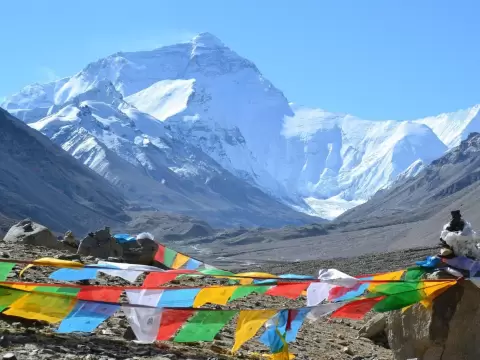
If you are seeking a holiday experience in the lap of the world’s highest peak without enduring the hardships of a full trekking expedition, the Lhasa to Everest Base Camp (EBC) Tour is the perfect option. Nepal Adventure Pilgrimage Treks & Expedition offers this exclusive package for travelers who wish to explore the mystical landscapes of Tibet, encompassing historic cities like Lhasa, Shigatse, Gyantse, and the breathtaking Everest Base Camp. This tour provides a unique opportunity to reach the northern base of Mount Everest by vehicle, offering magnificent views of the Himalayan peaks without the physical strain of high-altitude trekking. For those who prefer an even more luxurious approach, our company also offers a Helicopter Tour of Everest package, blending comfort, adventure, and unmatched panoramic views.The journey starts with a scenic flight from Kathmandu to Lhasa, the legendary capital of Tibet, situated at 3,650 meters. Lhasa, often called the “Heart of Tibet,” is home to the iconic Potala Palace, the former residence of the Dalai Lama, which dominates the skyline and offers stunning city views from its balconies. Sightseeing in Lhasa also includes visits to the Sera and Drepung Monasteries, where travelers can witness the traditional Tibetan monastic lifestyle, and Barkhor Street, a lively market surrounding the Jokhang Temple. After proper acclimatization in Lhasa, the tour proceeds by road through the spectacular landscapes of Tibet. Key stops include Gyantse, famous for the Kumbum Stupa, and Shigatse, home to the Tashilhunpo Monastery. Travelers continue through Sakya and Shegar/Dingri, reaching Old Tingri, the gateway to Everest’s northern side. Here, you can opt for a short hike toward the base camp, creating unforgettable memories against the backdrop of the majestic Himalayas.Flight from Kathmandu to LhasaPotala Palace, Sera & Drepung MonasteriesGyantse Kumbum Stupa & Shigatse Tashilhunpo MonasteryScenic drive via Sakya, Shegar, DingriEverest Base Camp Northern ApproachBest Season for Lhasa to EBCThe ideal time for the Lhasa to Everest Base Camp tour is during the spring (March to May) and autumn (September to November). During these months, the skies are generally clear, providing unobstructed views of the snow-capped Himalayan peaks, including Mount Everest. Spring brings a splash of colorful blooms and moderate temperatures, while autumn offers crisp weather and excellent visibility for photography. These months are also preferable for avoiding altitude sickness due to relatively stable weather conditions.Travelers should be aware that winter (December to February) can be extremely cold, with temperatures at higher altitudes dropping below -20°C, making road travel risky. The summer months (June to August) bring heavy monsoon rains, which can result in landslides and unpredictable road conditions. Traveling in the optimal seasons ensures not only a safer journey but also the chance to fully enjoy Tibet’s cultural landmarks, spectacular landscapes, and panoramic Himalayan views without significant weather-related interruptions.Best Seasons: Spring (Mar–May), Autumn (Sep–Nov)Avoid Monsoon: June–AugustWinter: Cold, snowy, challenging roadsClear skies and ideal photography conditionsLhasa to EBC Difficulty and TransportationThe Lhasa to Everest Base Camp tour is considered a moderate-level journey suitable for travelers with average physical fitness. Since most of the route is accessible by road, there is minimal need for strenuous trekking, making it ideal for those who wish to experience Everest without enduring multi-day high-altitude treks. Short hikes near Old Tingri or at the base camp itself are optional and can be tailored based on individual preferences and acclimatization.Transportation is mainly by private coach or minibus, carefully managed by Nepal Adventure Pilgrimage Treks & Expedition to ensure comfort and safety. Modern vehicles with sufficient heating are used for long drives across Tibet’s rugged terrain. Flights are used for Kathmandu to Lhasa travel to save time and to begin the tour at a higher altitude comfortably. The combination of air travel and road transport provides a balance between sightseeing, acclimatization, and convenience, making this tour accessible for senior travelers and families as well.Moderate difficulty, suitable for most travelersRoad travel with optional short hikesPrivate vehicles with heating and comfortA combination of flights and scenic road journeysFood and Accommodation for Lhasa to EBCNepal Adventure Pilgrimage Treks & Expedition ensures that travelers enjoy comfortable stays throughout the Lhasa to Everest Base Camp tour. Accommodation ranges from three to four-star hotels in Lhasa, Gyantse, and Shigatse, offering clean rooms, hot showers, and modern amenities. In smaller towns or near Everest Base Camp, travelers stay in guesthouses or well-arranged camps, which maintain hygiene standards and provide basic comforts while blending with the Himalayan environment.Food on this tour is a delightful experience, combining local Tibetan cuisine with familiar continental options. Travelers can savor authentic dishes like momo (dumplings), thukpa (noodle soup), yak butter tea, and more. For those with dietary preferences, hotels and guesthouses generally cater to vegetarian, vegan, or special dietary requirements. Meals are planned with care to support acclimatization at high altitudes, ensuring travelers stay energized and hydrated throughout the journey.Hotels: 3–4 stars in major townsGuesthouses and camps near EverestLocal Tibetan cuisine & international optionsMeals designed for high-altitude acclimatizationLhasa to EBC PermitsTraveling from Lhasa to Everest Base Camp in Tibet requires specific permits due to its location in a restricted region. Nepal Adventure Pilgrimage Treks & Expedition handles all necessary arrangements, ensuring a hassle-free experience. Key permits include:Tibet Travel Permit (TTP) – Required for all foreign travelers entering Tibet.Alien Travel Permit – Needed for areas outside Lhasa, such as Shigatse, Sakya, and Tingri.Military Permit – Mandatory for travel near the Everest region and base camp.These permits are strictly regulated by the Chinese authorities and must be applied for in advance through registered tour operators. Nepal Adventure Pilgrimage Treks & Expedition provides full support in acquiring these permits, ensuring compliance with all local regulations, avoiding last-minute issues, and allowing travelers to enjoy the journey stress-free.Tibet Travel Permit for entryAlien Travel Permit for restricted areasMilitary Permit for Everest region accessComplete support from Nepal Adventure Pilgrimage Treks & ExpeditionWhy Choose Lhasa to EBC with Nepal Adventure Pilgrimage Treks & ExpeditionChoosing Nepal Adventure Pilgrimage Treks & Expedition for your Lhasa to Everest Base Camp tour guarantees an exceptional journey marked by comfort, culture, and convenience. With years of experience in organizing Tibet, Bhutan, India, and Nepal tours, the company ensures safety, hospitality, and meticulous planning. Every aspect, from flights and road transportation to accommodation, meals, and permits, is handled professionally, allowing travelers to focus entirely on enjoying the adventure.The Lhasa to Everest Base Camp tour is especially appealing for those who wish to witness the majesty of Mount Everest from the northern side without enduring the physically demanding full trekking route. Travelers experience the grandeur of Tibetan culture, iconic monasteries, vibrant markets, and the serene Himalayan landscapes in a well-paced itinerary. Optional short hikes near the base camp provide personal adventure, while road travel ensures accessibility for all age groups. Nepal Adventure Pilgrimage Treks & Expedition also offers personalized services, knowledgeable guides, and cultural insights, making your trip not just a tour but a memorable Himalayan journey.Expert organization of Tibet, Nepal, Bhutan toursStress-free travel with permit handlingComfortable hotels and road transportOptional short hikes for adventure seekersCultural and scenic exploration with experienced guidesPhysical Conditions and Experience Requirements15 Lhasa to Everest Base Camp Trek is considered as moderate. If you jog or perform morning walks regularly then it would not be any problem for you to walk on the trail. However, it is highly recommended that you should start doing mild exercises one month prior to your trekking date. This would help in creating best Himalayan walking holiday experience. Having said that, it should be noted Technical Skill are not needed. The major hurdle is an altitude. Therefore, person having past medical history of lung, heart and blood diseases are extremely advised to consult your doctor before embarking on this journey.Additional InformationYou can surf through our website for the more information regarding services, altitudes, terrain difficulty and requirements. If you want to know more about Nepalese culture, traditions and other FAQs answers then please feel free to inquire further. Call us any time at Nepal Adventure pilgrimage
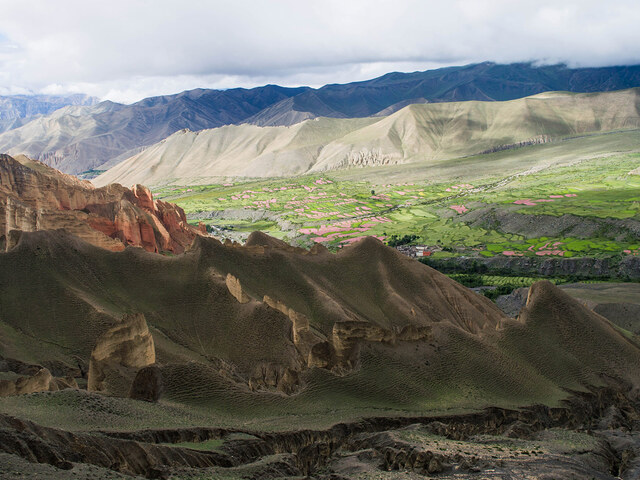
Dolpo to Mustang trek is challenging hiking with five passes over 5000 meters. Only physically fit and the adventurous hikers can explore this hidden gem of Nepal. These trekking routes give you true wilderness along with the natural beauty of landscapes. You can experience a wide variety of local cultures and traditions during your trek.Most part of the Dolpo is located under Shey Phoksundo National Park which lies between Tibetan Plateau and Dhaulagiri mountain ranges. Shey Phoksundo is home to over 197 species of birds and 32 species of mammals. Dolpo region is also a part of the Trans Himalayan trade route which is connected through Kali Gandaki George.In this trekking routes, We start our trekking from Dolpo and then we move toward the Mustang region. Trekking from Dolpo to MustangTrek is an outstanding opportunity to experience the unforgettable thrill of adventure among the extraordinary citizens of the mysterious trans-Himalayan countryside. This journey forms many high elevations between the stunning valley, alpine meadows, and breathtaking views of snow-capped peaks and glaciers into three weeks of unforgettable adventure in Nepal.Because of the elevation of the trek, with many days spent near or above 5,000 m, you may encounter snow-particularly on approaching your final, and highest pass, the Ghami La at 5,700 m. The snow will make progress more difficult but will also add extra magic to its crossing. You will certainly feel mixed emotions at the end of your trek in mustang: a touch of bewilderment as you return to civilization, but also a deep sense of pride and accomplishment in completing such an epic, challenging and incredible trek.The area of Mustang is dry and receives much less rainfall, with far less vegetation. This region’s landscapes strongly mimic the Tibetan high plateau. The places in this area are almost like dessert with many fluttering prayer flags featuring imaginative monasteries.Physical Conditions and Experience Requirements37 days of Dolpo to Mustang Trip is considered as moderate. If you regularly exercise or do morning walks, then walking on the trail wouldn’t be a problem for you. However, it’s strongly recommended that you do exercises a month before your trekking date. This would help create the best walking holiday experience in the Himalayas. That said, it should be remembered that there is a need for technical abilities. The major hurdle is an altitude. Therefore, a person having a past medical history of lung, heart, and blood diseases is extremely advised to consult your doctor before embarking on this journey.Why join Dolpo to Mustang trek 2023/2024 with Nepal Adventure Pilgrimage?Joining the Dolpo to Mustang trek with Nepal Adventure Pilgrimage in 2023/2024 can be a fantastic adventure for several reasons:Scenic Beauty: Dolpo and Mustang are both regions known for their breathtaking natural beauty. The trek offers awe-inspiring landscapes, including rugged mountains, deep valleys, pristine lakes, and unique rock formations. You'll get to witness the beauty of the Himalayas up close and experience the tranquility of remote, untouched regions.Cultural Exploration: Dolpo and Mustang are culturally rich areas with distinct traditions and lifestyles. The trek allows you to immerse yourself in the local culture and interact with the people of different ethnicities, such as the Dolpo and Mustang communities. You can visit ancient monasteries, observe religious ceremonies, and gain insights into their way of life.Off-the-Beaten-Path Experience: Dolpo and Mustang are considered off-the-beaten-path destinations in Nepal, making this trek a less crowded alternative to popular routes like Everest Base Camp or Annapurna Circuit. You'll have the opportunity to explore remote trails, encounter fewer tourists, and enjoy a sense of seclusion amidst the wilderness.Expert Guidance: Nepal Adventure Pilgrimage is a reputable trekking agency with experienced guides who are familiar with the Dolpo and Mustang regions. They can provide valuable insights, ensure your safety throughout the journey, and share their knowledge about the local culture, history, and geography. Their expertise will enhance your trekking experience.Unique Highlights: The Dolpo to Mustang trek offers unique highlights that set it apart from other treks in Nepal. You'll visit Phoksundo Lake, one of the deepest lakes in Nepal and a stunning natural wonder. The journey also takes you through the Upper Dolpo region, known for its remote villages, ancient monasteries, and the chance to encounter rare wildlife like the elusive snow leopard.Personal Growth and Challenge: Trekking in the Himalayas is a physically and mentally challenging endeavor. It pushes your limits, tests your endurance, and fosters personal growth. The Dolpo to Mustang trek will provide you with an opportunity to challenge yourself, build resilience, and create lasting memories as you conquer high passes, navigate rugged terrains, and overcome obstacles along the way.When choosing Nepal Adventure Pilgrimage, make sure to inquire about their trek itineraries, safety measures, accommodation arrangements, and the level of support provided during the trek. Additionally, check if they have the necessary permits and licenses required for organizing treks in the Dolpo and Mustang regions.Other adventurous trekking packages in NepalWe have a wide range of treks, tours, and expedition packages in Nepal that lets you explore the mainstream trekking routes to the isolated, offbeat trails and the hidden corners. In the Everest region itself, we have quite a range of trekking and climbing packages available, like the Gokyo Lakes trek, Everest Panorama trek, Everest Three High Passes trek, Everest Base Camp Helicopter Tour, etc. Likewise, here are some other hand-picked trekking packages for you in Nepal- Langtang Valley trek, Annapurna Circuit trek, Manaslu Circuit trek, Mardi Himal trek, Khopra Danda trek, Upper Mustang trek, Ghorepani Poon Hill trek, and Langtang Gosaikunda trek.Feel free to contact us at [email protected] or +977 9851267334 if you have any queries. Our itineraries are flexible, so you can tailor design any package with us as per your requirements. How can solo travelers do to Dolpo to Mustang trek?Research and plan your itinerary: Start by researching the Dolpo to Mustang trek route, including the highlights, distance, duration, and difficulty level. You can find various online resources, guidebooks, and travel forums to gather information. Plan your itinerary accordingly, considering your fitness level, available time, and the attractions you want to explore along the way.Obtain necessary permits: Trekking in Dolpo and Mustang requires permits. Obtain the required permits before starting your journey. You'll need the Upper Dolpo Restricted Area Permit and the Annapurna Conservation Area Permit (ACAP). These permits can be obtained through a registered trekking agency in Nepal or directly from the Department of Immigration in Kathmandu.Hire a guide or porter (optional): While the Dolpo to Mustang trek can be done independently, hiring a guide or porter is an option you might consider. A local guide can provide valuable insights into the region, culture, and ensure your safety. A porter can help carry your heavy backpack, allowing you to enjoy the trek more comfortably. Hiring these services is a personal choice, and you can decide based on your preferences and experience.Arrange transportation: To reach the starting point of the trek, you'll need to arrange transportation. From Kathmandu, you can take a domestic flight to Juphal, which serves as the gateway to Dolpo. There are also bus options available from Kathmandu to Jomsom, which is the entry point for the Mustang region. Consider booking your flights or bus tickets in advance, especially during the peak trekking seasons.Pack necessary gear and supplies: Make sure to pack appropriate trekking gear, including sturdy hiking boots, warm clothing, rain gear, a sleeping bag, a backpack, and other essential items. Carry enough food supplies, as some sections of the trek might have limited teahouses or lodges. Additionally, carry a water purification system or iodine tablets to ensure a safe drinking water supply throughout the trek.Follow the trail and respect local culture: As you embark on your trek, follow the designated trail and respect the local customs and culture. Interact with the locals, learn about their traditions, and be mindful of their way of life. Carry a guidebook or trekking map to navigate the route, and be prepared for variations in weather and terrain.Stay in teahouses or camps: Along the Dolpo to Mustang trek, you'll find teahouses or lodges where you can rest, eat, and spend the night. These teahouses provide basic accommodation and meals. It's advisable to carry some cash as the availability of ATMs or card payment options might be limited. In some sections, you may also have the option to camp if you have the necessary equipment.Stay physically fit and acclimatize: The Dolpo to Mustang trek involves high altitudes, so it's crucial to acclimatize properly to avoid altitude sickness. Take regular breaks, drink plenty of water, and ascend gradually. Before starting the trek, spend a few days in Kathmandu or a nearby location to adapt to the altitude. Maintain a reasonable level of physical fitness through regular exercise and walking to prepare your body for the trekking challenge.Mustang Region Travel & Adventure Blog HighlightsUpper Mustang Jeep Tour: Culture, Landscapes, and AdventureExperience Himalayan Majesty: Annapurna Circuit and Upper Mustang TrekExploring Upper Dolpo and the Beauty of Shey Phoksundo LakeTop 3 Treks to do in Autumn Season in NepalMake Your Trip More Unforgettable With Adventurous ThingsTrekking in Nepal in AugustTrekking In Nepal In MayTrekking in Nepal in AprilTrekking In Nepal In October 2022/2023Trekking in Nepal in September10 Most Beautiful Places In Nepal That You Should Visit OnceTour Packages in Nepal - How to get the Best?Trekking in the thin Air you can do it,with Nepal Adventure Pilgrimage TrekTop Hidden Gems in Nepal to Explore in 2026