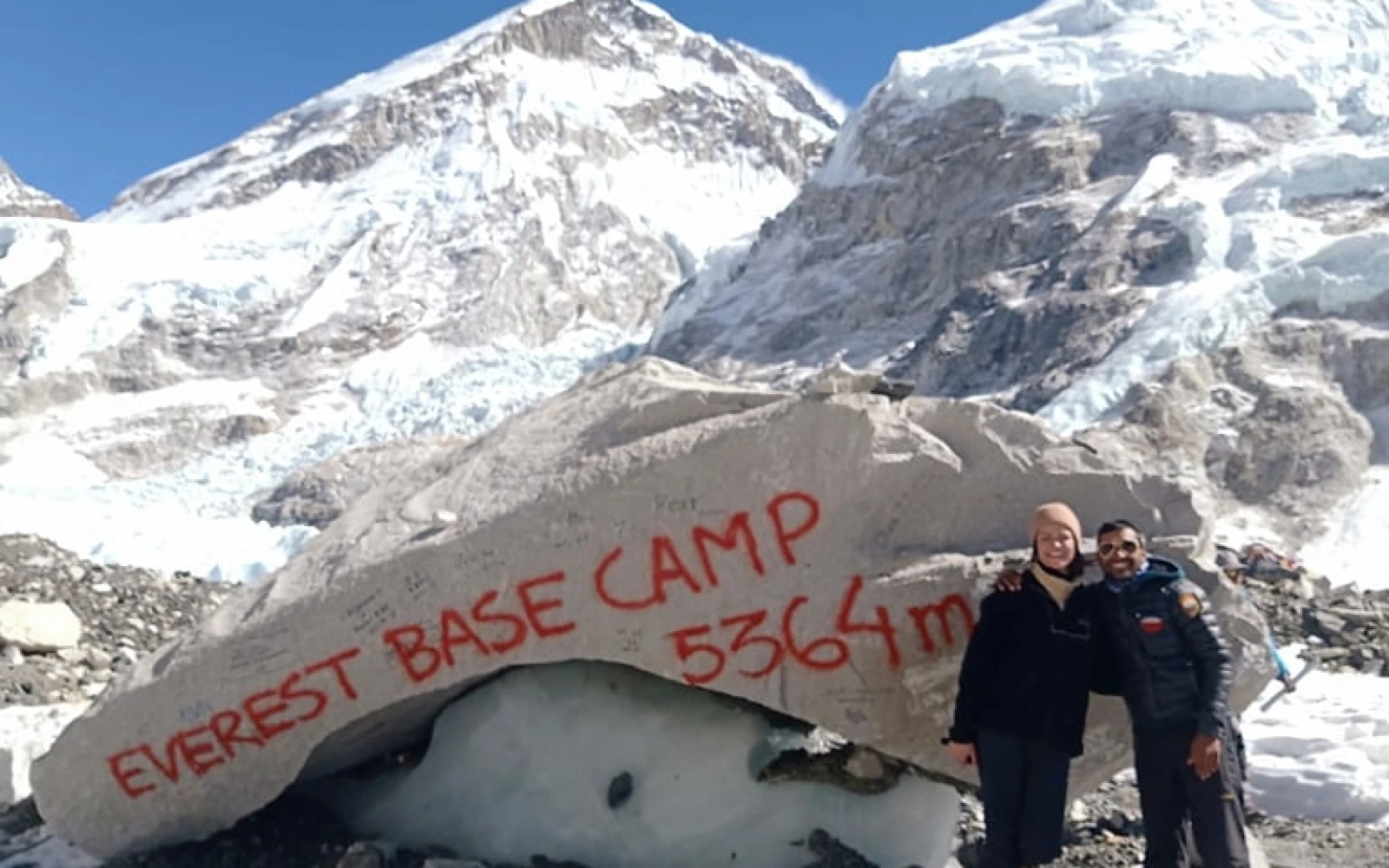
The long route to Everest Base Camp via Phaplu is a classic and less commercialized trekking approach that offers a deeper Himalayan experience. Unlike the short flight to Lukla, this overland journey gradually builds altitude, allowing trekkers to adapt naturally while passing through remote villages, terraced farmland, and untouched sections of the lower Solukhumbu region. It is physically more demanding but highly rewarding for those seeking authenticity over convenience.
This route connects Kathmandu to Phaplu by road and then continues on foot through a series of traditional settlements before joining the main Everest trail at Phakding. From there, the journey follows the iconic Khumbu Valley route through Namche Bazaar, Tengboche, Dingboche, Lobuche, and finally Everest Base Camp and Kalapatthar.
What to Expect (Key Highlights)
Many trekkers choose the Phaplu overland route instead of flying directly to Lukla to avoid flight delays, weather disruptions, and the high costs associated with mountain flights. More importantly, this route offers a natural progression into high altitude, which significantly reduces the risk of Acute Mountain Sickness (AMS).
With Nepal Adventure Pilgrimage Treks & Expedition, this journey is carefully designed to balance adventure and safety. The itinerary includes gradual altitude gain, structured rest days, and culturally rich stopovers that make the experience more meaningful than just reaching Base Camp.
Why Trekkers Choose This Route
The journey begins with a drive from Kathmandu to Phaplu, a peaceful mountain town in the Solukhumbu region. From here, the trek passes through Nunthala, Bupsa, and Surkhe before joining the main Everest trail at Phakding. This lower section is rich in natural beauty and traditional rural life, offering a stark contrast to the busier upper Khumbu region.
Once the trail merges at Phakding, trekkers follow the classic route through Namche Bazaar, the gateway to Everest. Key acclimatization stops like Namche and Dingboche help prepare the body for higher elevations before reaching Lobuche, Gorak Shep, and finally Everest Base Camp at 5,365 meters. The return journey includes the iconic sunrise hike to Kalapatthar for panoramic Everest views.
Route Highlights
The Phaplu route is ideal for trekkers who value experience over speed. It is not just about reaching Everest Base Camp, but about understanding the Himalayas gradually—physically, culturally, and emotionally. The slower ascent significantly improves trekking safety and enhances appreciation of the changing landscapes.
This route is especially recommended for first-time high-altitude trekkers who want a safer acclimatization profile. With support from Nepal Adventure Pilgrimage Treks & Expedition, trekkers receive professional guidance, carefully planned pacing, and local expertise throughout the journey.
Key Reasons to Choose This Route
The journey to Phaplu is the true beginning of the long Everest Base Camp trek. Instead of flying to Lukla, trekkers travel overland from Kathmandu, allowing them to slowly transition from the urban environment into the Himalayan foothills. The drive usually takes you through winding mountain roads, river valleys, and rural settlements, gradually increasing the sense of remoteness and adventure.
With Nepal Adventure Pilgrimage Treks & Expedition, this road journey is organized with comfort and safety in mind. Depending on road conditions, the drive can take 8–12 hours, offering a real glimpse into Nepal’s countryside lifestyle, terraced farms, and distant snow-capped peaks appearing on clear days.
What to Expect on the Journey
The trekking phase begins from Phaplu and takes you deep into the lower Solukhumbu region, an area rich in cultural diversity and natural beauty. Unlike the busy upper Everest trail, this section is quiet, authentic, and largely untouched by mass tourism. The trail passes through forests, suspension bridges, and traditional villages where life continues much as it has for generations.
As you move forward toward Nunthala, Bupsa, and Surkhe, the landscape gradually transforms from subtropical greenery to cooler alpine forests. This section is physically moderate but long, allowing trekkers to build stamina while enjoying peaceful surroundings and warm local hospitality.
What to Expect in Lower Solukhumbu
One of the biggest advantages of the Phaplu route is its natural acclimatization process. Unlike flying directly to Lukla (2,860m), this route starts much lower and gradually climbs over several days. This slow ascent allows your body to adjust to decreasing oxygen levels more safely and comfortably.
With Nepal Adventure Pilgrimage Treks & Expedition, the itinerary is carefully designed to minimize altitude-related risks. By the time trekkers reach Namche Bazaar (3,440m), they have already spent multiple days trekking at lower elevations, significantly improving endurance and oxygen adaptation.
Acclimatization Benefits
The Phaplu to Everest Base Camp route passes through several important villages that provide rest stops, cultural experiences, and natural beauty. Each village has its own unique character, from peaceful farming communities to bustling trekking junctions as you approach the main Everest trail.
Villages such as Nunthala, Kharikhola, and Puiyan are especially significant as they represent the transition from lower Solukhumbu into the higher Himalayan region. These stops allow trekkers to rest, interact with locals, and experience authentic Nepali mountain life.
Important Villages on the Route
What You Will Experience
After several days of trekking through the lower Solukhumbu region, the trail gradually connects with the main Everest Base Camp route near Surkhe and Phakding, just below Lukla. This is the point where trekkers officially join the classic Everest trekking corridor used by most expeditions heading toward Namche Bazaar and beyond. The environment becomes noticeably busier as you meet trekkers arriving from Lukla flights.
With Nepal Adventure Pilgrimage Treks & Expedition, this transition is carefully managed so trekkers feel a smooth shift from remote trails to the more popular Everest route. From Phakding onward, the infrastructure improves, trails become wider, and the number of tea houses increases significantly, marking your entry into the heart of the Everest region.
What to Expect During the Transition
The Phaplu to Everest Base Camp trek is considered a moderate to challenging trek due to its long duration and continuous altitude gain. Early sections involve longer walking days (6–7 hours), often on uneven forest trails, stone steps, and gradual uphill climbs. As you move higher, the terrain becomes steeper, colder, and more physically demanding.
Trekkers should be reasonably fit, with good stamina and mental endurance. While technical climbing skills are not required, preparation through cardio training and endurance hiking is highly recommended. Nepal Adventure Pilgrimage Treks & Expedition ensures a steady pace with proper rest stops to help trekkers adjust comfortably.
Key Physical Expectations
Accommodation along the Phaplu route and the Everest trail consists mainly of local tea houses and mountain lodges. In the lower regions, facilities are basic but comfortable, while higher up in Namche, Dingboche, and Lobuche, lodges become more structured but still simple due to the remote environment. Rooms typically include twin beds, blankets, and shared bathrooms.
Food is freshly prepared and locally sourced, offering a mix of Nepali and international trekking meals. Dal Bhat (rice, lentils, and vegetables) is the staple energy meal, while noodles, soups, potatoes, and pasta are widely available. With Nepal Adventure Pilgrimage Treks & Expedition, hygienic and reliable food stops are prioritized throughout the journey.
What to Expect in Lodging & Food
Comfort Level Summary
Weather plays a crucial role in the success and enjoyment of the Everest Base Camp trek via Phaplu. The best trekking seasons are spring (March–May) and autumn (September–November) when the skies are generally clear, temperatures are stable, and mountain views are at their best. These seasons also provide safer trekking conditions and more reliable trail accessibility.
Winter trekking is possible, but colder conditions above 4,000 meters can be challenging, especially at night. The monsoon season (June–August) is less recommended due to heavy rainfall, slippery trails, and limited mountain visibility. Nepal Adventure Pilgrimage Treks & Expedition always plans departures based on optimal seasonal windows to maximize safety and visibility.
Seasonal Breakdown
What Weather to Expect
One of the most enriching aspects of the Everest Base Camp trek via Phaplu is the deep cultural immersion experienced throughout the journey. Unlike the faster Lukla route, this longer approach passes through numerous traditional villages where life remains closely tied to ancient Himalayan customs. Trekkers encounter warm hospitality, Buddhist practices, and a strong sense of community that defines the lower and mid-Everest regions.
With Nepal Adventure Pilgrimage Treks & Expedition, cultural interaction is an essential part of the trekking experience. Guides often introduce trekkers to local traditions, prayer rituals, and monastery visits, especially as the trail approaches the Khumbu region, where Sherpa culture is most prominent.
Cultural Highlights Along the Route
What to Expect
While the Phaplu route offers incredible beauty and cultural depth, it also comes with certain challenges that trekkers should understand before starting the journey. The most significant factor is the longer duration, which requires greater physical endurance, mental preparation, and time commitment compared to the direct Lukla flight route.
Logistics can also be more complex due to road travel, remote trail sections, and limited infrastructure in early stages. However, with Nepal Adventure Pilgrimage Treks & Expedition, all arrangements are professionally managed, including transport, accommodation, permits, and safety support throughout the trek.
Main Challenges to Consider
How These Challenges Are Managed
After reaching Namche Bazaar, trekkers rejoin the main Everest Base Camp route used by those arriving from Lukla flights. From this point onward, the journey follows the iconic Khumbu Valley trail, passing through some of the most famous Himalayan landmarks, including Tengboche Monastery, Dingboche, Lobuche, and Gorak Shep.
This final stretch is physically demanding due to high altitude, but emotionally and visually rewarding. Trekkers experience dramatic mountain landscapes, glacier views, and the ultimate achievement of reaching Everest Base Camp at 5,365 meters. The early morning hike to Kalapatthar (5,555 meters) provides the best panoramic view of Mount Everest and the surrounding peaks.
Key Highlights of the Final Stretch
What to Expect
The Everest Base Camp trek via Phaplu is ideal for trekkers who want more than just a destination—it is for those who seek a complete Himalayan journey. While it requires more time and endurance, it rewards trekkers with gradual acclimatization, deeper cultural immersion, and quieter trails in the early stages.
With Nepal Adventure Pilgrimage Treks & Expedition, this route becomes a well-supported and meaningful adventure, combining safety, authenticity, and natural beauty. It is especially recommended for trekkers who prefer a less rushed, more immersive Everest experience.
Final Summary Points
Is It Worth It?

Everest Base Camp (EBC) trekking is one of the most iconic trekking adventures in the world, offering breathtaking views of the Himalayas, unique Sherpa culture, and an unparalleled sense of achievement. Spanning from the bustling streets of Kathmandu to the serene landscapes of the Khumbu region, the trek combines natural beauty
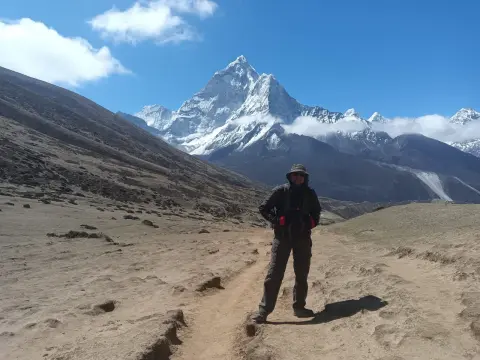
The Everest View Short Trek is one of the most accessible yet thrilling treks in the Himalayas, designed for travelers who want to experience the grandeur of the Everest region without committing to a long, strenuous expedition. Over the course of a few days, trekkers can enjoy majestic mountain vistas, charming Sherpa villages, and a glimpse
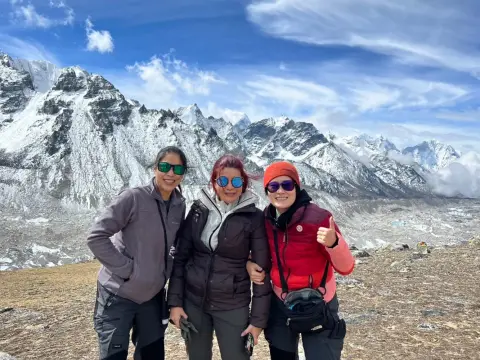
The Everest Three Passes Trek is one of the most demanding and rewarding high-altitude trekking adventures in the Himalayas of Nepal, organized by Nepal Adventure Pilgrimage Treks & Expedition. This journey goes far beyond the classic Everest Base Camp route, forming a complete circuit of the Everest (Khumbu) region by crossing three