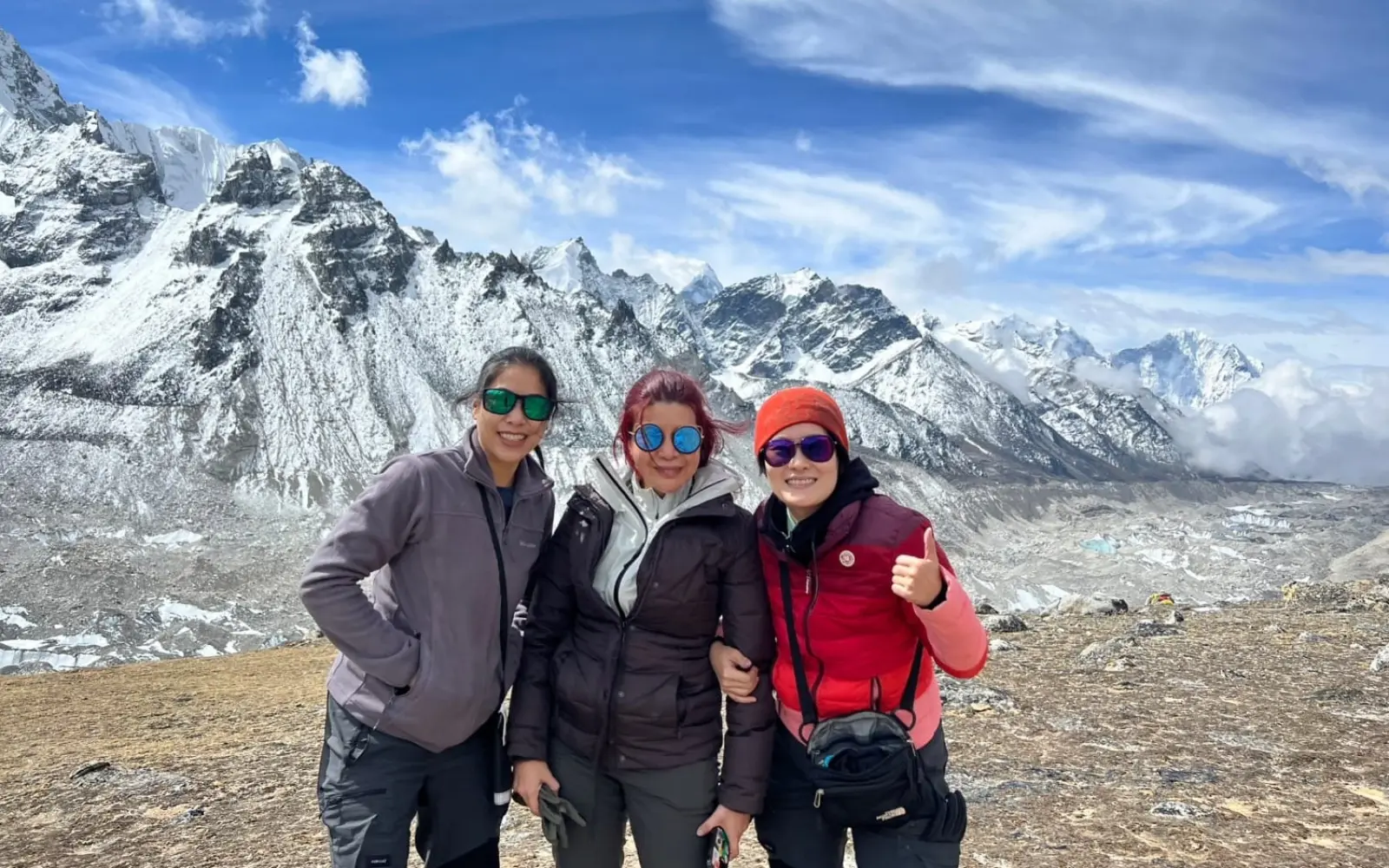
The Everest Three Passes Trek is one of the most demanding and rewarding high-altitude trekking adventures in the Himalayas of Nepal, organized by Nepal Adventure Pilgrimage Treks & Expedition. This journey goes far beyond the classic Everest Base Camp route, forming a complete circuit of the Everest (Khumbu) region by crossing three major high passes above 5,000 meters: Kongma La (5,535m), Cho La (5,420m), and Renjo La (5,345m).
Starting from the vibrant capital city of Nepal, Kathmandu, the adventure leads you deep into the heart of the Himalayas via a scenic mountain flight to Lukla. From there, the trail ascends gradually through traditional Sherpa villages, alpine valleys, glaciers, and icy mountain passes, offering breathtaking views of the world’s highest peaks, including Everest.
Key highlights of the trek:
The Everest Three Passes Trek is widely regarded as the ultimate trekking circuit in Nepal’s Everest region due to its combination of altitude, endurance, and breathtaking scenery. Unlike standard Everest Base Camp treks, this route forms a complete loop that connects multiple valleys, glaciers, and high mountain passes, making it one of the most comprehensive Himalayan adventures available.
Beginning with a scenic approach through the Khumbu Valley, trekkers gradually ascend from lower villages like Namche Bazaar—the main Sherpa trading hub—to high-altitude settlements above 4,000 meters. The journey pushes deep into glacial terrain, where oxygen levels drop significantly and physical endurance becomes essential.
Why this trek is considered the ultimate challenge:
What sets this trek apart is its perfect blend of adventure, isolation, and iconic Himalayan scenery. Trekkers experience not just one destination but an entire Himalayan ecosystem—from lush forests and Sherpa villages to frozen glaciers and high mountain passes.
A major highlight is the contrast between different sections of the trek. One day, you may be standing at the spiritual serenity of Tengboche Monastery, and the next day, crossing icy glaciers like Cho La Pass, surrounded by towering peaks. The trek also includes two of the most famous viewpoints in Nepal: Everest Base Camp and Gokyo Ri.
Unique features of the trek:
Key experiences include:
The Everest Three Passes Trek follows a circular route through the Khumbu region, linking the Everest Base Camp trail with the Gokyo Valley. The journey begins with a flight from Kathmandu to Lukla and gradually ascends through Phakding and Namche Bazaar before branching into high-altitude territory.
From Namche, the route splits into challenging alpine terrain, leading toward Everest Base Camp via Kongma La Pass, then returning through the Khumbu Glacier region. After visiting Everest Base Camp, the route continues across Cho La Pass into the Gokyo Valley, where turquoise lakes and glacial landscapes dominate the scenery. The final section crosses Renjo La Pass before descending back toward Namche and Lukla.
Full circuit highlights:
Trip advantages with Nepal Adventure Pilgrimage Treks & Expedition:
Kongma La Pass is widely considered the most physically demanding of the three passes on the Everest Three Passes Trek. Located between Chhukung and Lobuche, this pass involves a long, remote, and steep ascent over rocky terrain, often without teahouse support or clear trails. Trekkers must cross glacial moraines and navigate loose scree, making it a true test of endurance, altitude tolerance, and mental strength.
This section is usually attempted early in the high-altitude phase of the trek, when the body is still adapting to reduced oxygen levels. The views from the top are absolutely rewarding, offering dramatic panoramas of Nuptse, Lhotse, Ama Dablam, and surrounding Himalayan giants.
Key highlights of Kongma La Pass:
Experience notes:
Cho La Pass connects the Everest Base Camp region with the Gokyo Valley, acting as a dramatic icy bridge between two of the most beautiful Himalayan landscapes. This pass is famous for its glacier crossing, which often requires careful footing on ice-covered rocks and sometimes the use of microspikes or trekking poles for stability.
The climb begins from Dzongla or Dragnag, depending on the direction, and the route quickly transitions from rocky trails to frozen terrain. At the top, trekkers are rewarded with stunning views of snow-covered peaks and glacial valleys stretching in every direction.
Key highlights of Cho La Pass:
Experience notes:
Renjo La Pass is considered the most scenic of the three passes, offering one of the best panoramic viewpoints in the entire Everest region. The climb is steep but more stable compared to Kongma La and Cho La, making it physically challenging yet visually rewarding.
From the top, trekkers are greeted with a breathtaking view of the Gokyo Lakes below, along with towering peaks such as Everest, Cho Oyu, and Makalu in the distance. The sunrise and sunset views from Renjo La are often described as unforgettable moments of the entire journey.
Key highlights of Renjo La Pass:
Experience notes:
The Gokyo Lakes are a series of sacred high-altitude freshwater lakes located in the Gokyo Valley, known for their striking turquoise-blue color and spiritual significance. These lakes are considered holy by both Hindus and Buddhists, making the area not only visually stunning but also culturally important.
The village of Gokyo sits beside the third lake and serves as a peaceful resting point during the trek. Compared to the rugged high passes, this region offers a calm and reflective atmosphere surrounded by glaciers, snowy peaks, and open valleys.
Key highlights of Gokyo Lakes:
Experience notes:
Reaching Everest Base Camp (5,364m) is one of the most iconic achievements in trekking, marking the base of the world’s highest mountain, Mount Everest. Although climbers use this area as a staging point for summit expeditions, trekkers experience the raw atmosphere of mountaineering history and Himalayan adventure.
The route to base camp passes through the Khumbu Glacier, offering a surreal landscape of ice, rock, and towering peaks. Standing at base camp gives trekkers a powerful sense of scale, humility, and achievement after days of high-altitude trekking.
Key highlights of Everest Base Camp:
Experience notes:
The Everest Three Passes Trek is one of the most physically demanding trekking routes in Nepal, requiring excellent endurance, stamina, and mental resilience. Since the itinerary includes multiple passes above 5,000 meters—Kongma La, Cho La, and Renjo La—the body is constantly challenged by thin air, long trekking hours, steep ascents, and rocky terrain. Proper preparation is essential to enjoy the journey safely and successfully.
Trekkers must prepare at least 2–3 months in advance with focused cardiovascular and strength training. The trek is not a technical climb, but the altitude and distance make it feel extremely strenuous. With proper training and guidance from Nepal Adventure Pilgrimage Treks & Expedition, trekkers can significantly improve their performance and reduce fatigue during high passes.
Fitness preparation tips:
Key physical challenges:
Altitude sickness, also known as Acute Mountain Sickness (AMS), is one of the most important risks during the Everest Three Passes Trek. As trekkers ascend above 3,000 meters and especially beyond 5,000 meters, oxygen levels decrease significantly, which can lead to symptoms like headache, nausea, dizziness, and fatigue.
Safety is the top priority on this trek, and proper acclimatization days are included in places like Namche Bazaar and Dingboche. The experienced team at Nepal Adventure Pilgrimage Treks & Expedition ensures a slow ascent rate, regular health monitoring, and immediate response if any symptoms appear.
AMS prevention strategies:
Warning symptoms to watch:
Safety measures:
Choosing the right season is crucial for a successful Everest Three Passes Trek, as weather conditions in the high Himalayas can change rapidly. The best trekking seasons are spring (March to May) and autumn (September to November), when the skies are generally clear, temperatures are stable, and mountain visibility is at its best.
During these peak seasons, trekkers enjoy stunning Himalayan views, comfortable daytime temperatures, and safer trail conditions. However, the passes can still be cold and windy, especially at night and early mornings. Nepal Adventure Pilgrimage Treks & Expedition carefully plans departures to ensure optimal weather windows and safety.
Spring season (March–May):
Autumn season (September–November):
Winter and monsoon (less ideal):
Packing correctly for the Everest Three Passes Trek is essential because trekkers must face extreme cold, high winds, glacier crossings, and sudden weather changes above 5,000 meters. Proper gear ensures safety, warmth, and comfort throughout the journey.
Since the trek includes remote high passes and long walking days, lightweight but high-quality equipment is recommended. Nepal Adventure Pilgrimage Treks & Expedition guides gear selection and can assist with rental options for specialized equipment.
Clothing essentials:
Footwear:
Technical and trekking gear:
Health and safety items:
Optional but useful:
Provided support by Nepal Adventure Pilgrimage Treks & Expedition:
The Everest Three Passes Trek is not only a physical adventure but also a deep cultural journey through the heart of the Sherpa homeland in the Khumbu region. Along the route, trekkers pass through traditional villages such as Phakding, Namche Bazaar, Tengboche, Dingboche, and Gokyo, where centuries-old Himalayan lifestyles are still preserved. These communities are deeply connected to Tibetan Buddhism, which shapes daily life, architecture, and spiritual practices.
One of the most meaningful cultural highlights is the presence of ancient monasteries, prayer wheels, and colorful mani walls carved with sacred mantras. Trekkers often witness monks performing rituals, spinning prayer wheels, and chanting in serene mountain monasteries surrounded by snow-covered peaks. The hospitality of the Sherpa people adds warmth to the challenging journey, making every stop culturally enriching.
With guidance from Nepal Adventure Pilgrimage Treks & Expedition, travelers gain a deeper understanding of Sherpa traditions, beliefs, and their strong relationship with the Himalayas.
Cultural highlights of the trek:
Key experiences:
The Everest Three Passes Trek is widely recognized as one of the most challenging trekking routes in Nepal due to its combination of high altitude, long walking days, and rugged terrain. Crossing three major passes above 5,000 meters pushes trekkers physically and mentally, often requiring endurance through cold winds, steep ascents, and unpredictable weather conditions.
Despite the difficulty, the rewards of this trek are unmatched. Every challenging climb leads to breathtaking Himalayan views, serene valleys, and a deep sense of personal achievement. Trekkers experience a complete transformation as they move through glaciers, remote villages, and iconic viewpoints like Everest Base Camp and Gokyo Ri.
With proper planning and expert support from Nepal Adventure Pilgrimage Treks & Expedition, even the toughest sections become achievable and deeply rewarding.
Main challenges:
Major rewards:
Emotional highlights:
The Everest Three Passes Trek is considered the most complete and adventurous trekking experience in the Everest region because it combines all major highlights into one epic circuit. From Everest Base Camp to the Gokyo Lakes and three high Himalayan passes, this journey offers unmatched diversity in landscapes, culture, and altitude challenges.
Unlike standard trekking routes, this circuit provides a full Himalayan immersion experience. Trekkers not only reach iconic destinations but also cross remote high-altitude passes, explore hidden valleys, and witness the Everest region from multiple perspectives. It is a true test of endurance, rewarded with some of the most spectacular scenery on Earth.
Organized professionally by Nepal Adventure Pilgrimage Treks & Expedition, the trek ensures safety, expert guidance, and a deeply enriching Himalayan adventure.
Why this trek is the ultimate adventure:
Final takeaways:
Nepal Adventure Pilgrimage Treks & Expedition delivers a safe, guided, and unforgettable journey across the legendary Everest Three Passes, ensuring trekkers return with lifelong memories of the world’s highest mountains.

The Everest Base Camp (EBC) Trek is more than just a trek; it is an extraordinary journey that combines natural beauty, cultural experiences, and the thrill of adventure. Managed by Nepal Adventure Pilgrimage Treks & Expedition, this trek takes you through the heart of the Himalayas, passing through Sherpa villages, ancient monasteries, and rugged

Everest Base Camp (EBC) trekking is one of the most iconic trekking adventures in the world, offering breathtaking views of the Himalayas, unique Sherpa culture, and an unparalleled sense of achievement. Spanning from the bustling streets of Kathmandu to the serene landscapes of the Khumbu region, the trek combines natural beauty
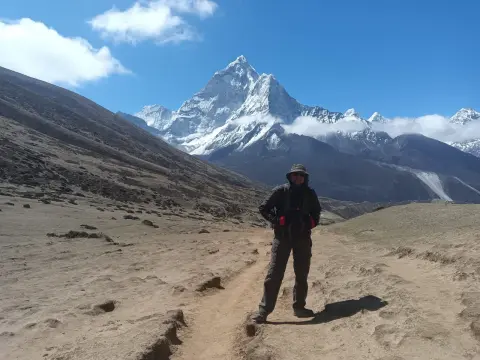
The Everest View Short Trek is one of the most accessible yet thrilling treks in the Himalayas, designed for travelers who want to experience the grandeur of the Everest region without committing to a long, strenuous expedition. Over the course of a few days, trekkers can enjoy majestic mountain vistas, charming Sherpa villages, and a glimpse