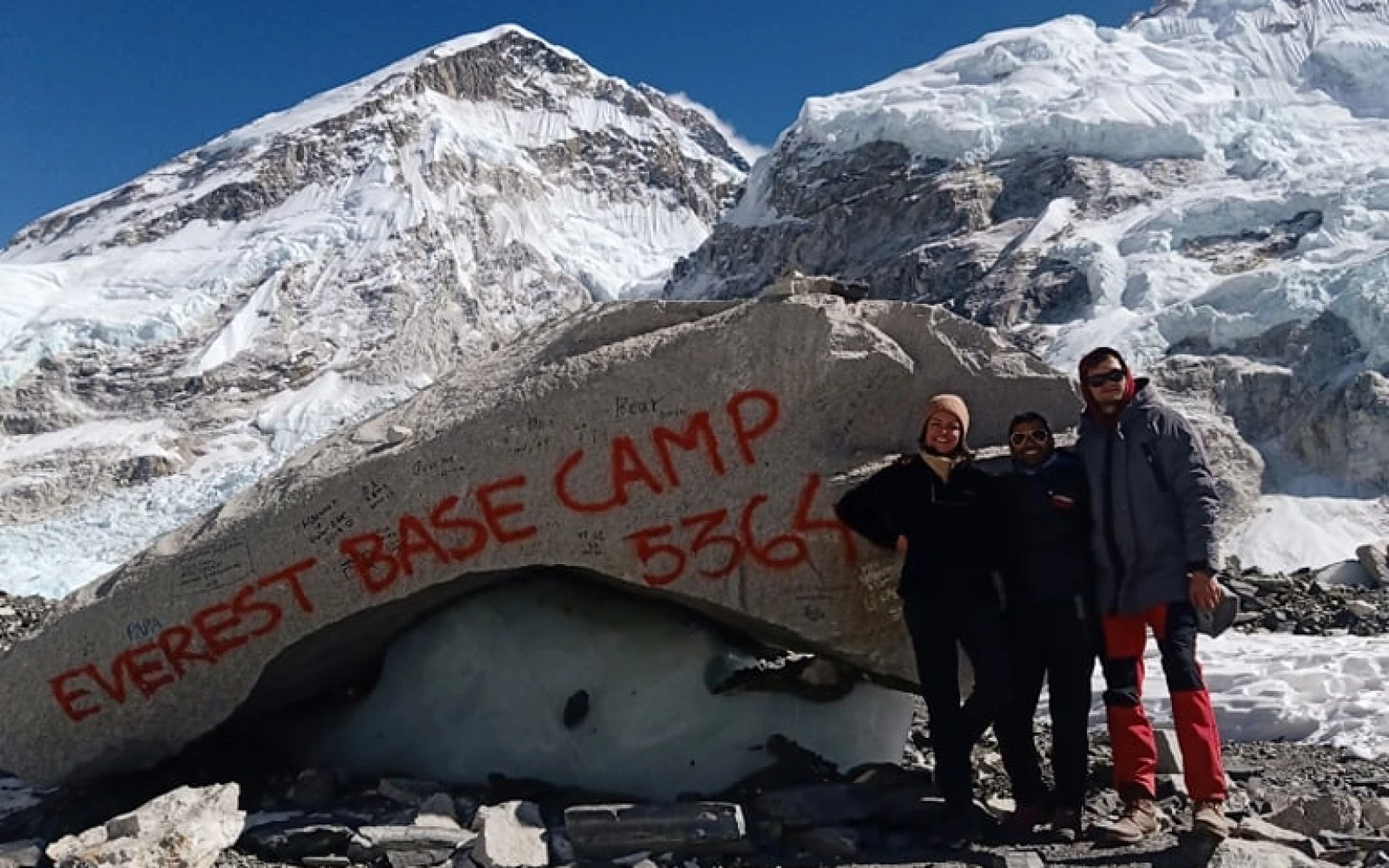
Planning an Everest Base Camp Trek is an exciting journey through the spectacular Khumbu region, combining breathtaking Himalayan scenery, Sherpa culture, Buddhist monasteries, and challenging high-altitude trails. The classic itinerary takes around 14 days, beginning in Kathmandu and flying to Lukla before trekking through Phakding, Namche Bazaar, Tengboche, Dingboche, Lobuche, Gorak Shep, and Everest Base Camp.
Although the route is well established, trekking at high altitude requires careful preparation, good pacing, and an understanding of mountain conditions. Adventure Pilgrimage Treks & Expedition provides experienced guides and porters to help trekkers manage the practical, safety, and logistical aspects of the journey.
Key planning points:
The Everest Base Camp Trek is one of the world's most iconic Himalayan adventures. The journey leads from the busy mountain town of Namche Bazaar into increasingly remote landscapes, passing traditional Sherpa villages, suspension bridges, prayer wheels, mani walls, and historic monasteries. The trail eventually reaches Everest Base Camp at approximately 5,364–5,365 meters.
A typical itinerary includes acclimatization at Namche Bazaar and Dingboche, helping trekkers gradually adapt to increasing elevation. Highlights include Tengboche Monastery, Nagarjun Hill, Lobuche, Gorak Shep, Everest Base Camp, and the early-morning ascent of Kala Patthar for spectacular mountain views.
Major trek highlights:
Proper planning is essential because the Everest Base Camp Trek takes you from relatively low elevation to more than 5,000 meters above sea level. Altitude, changing weather, long trekking days, limited facilities, and remote mountain terrain can make the journey considerably more demanding than an ordinary hiking trip.
A carefully designed itinerary gives your body time to acclimatize and provides opportunities to respond to changing conditions. Adventure Pilgrimage Treks & Expedition can help organize transportation, accommodation, trekking arrangements, permits, guides, porters, and other essential logistics before and during the trek.
Important planning considerations:
Hiring a professional guide can make the Everest Base Camp Trek more organized, comfortable, and secure. An experienced guide knows the trail, understands local conditions, and can help trekkers navigate changing terrain and weather. A guide also provides valuable insight into Sherpa culture, Buddhist traditions, monasteries, villages, and the history of the Everest region.
For first-time trekkers, a guide is especially useful because the journey involves several days at significant altitude. Adventure Pilgrimage Treks & Expedition provides knowledgeable trekking professionals who can monitor the group, coordinate daily arrangements, and assist when unexpected situations arise.
A professional guide can help with:
Safety is one of the most important reasons to trek with an experienced guide in the Everest region. As altitude increases, trekkers may experience symptoms associated with altitude sickness, while weather can change quickly. A trained guide can recognize concerning symptoms, recommend appropriate rest or descent, and coordinate assistance when necessary.
A guide also helps the group maintain a sensible pace instead of rushing toward the next destination. During challenging sections, having someone familiar with the trail can provide reassurance and practical support. Adventure Pilgrimage Treks & Expedition focuses on responsible trekking practices designed to help clients enjoy the Himalayas while managing common mountain risks.
Safety support may include:
A porter plays an important role in making a long Himalayan trek more manageable. Carrying a heavy backpack for several hours each day can increase fatigue, particularly as the trail climbs above 4,000 and 5,000 meters. A porter can carry the majority of your trekking luggage, allowing you to walk with a lighter daypack.
With a lighter load, trekkers can concentrate more on walking, enjoying the scenery, taking photographs, and experiencing the local culture. Adventure Pilgrimage Treks & Expedition can arrange porter support so that luggage is transported between trekking destinations while trekkers carry only their essential daily belongings.
A porter typically helps by:
Choosing both a professional guide and a porter can make the Everest Base Camp journey more organized and enjoyable. With proper preparation, sensible acclimatization, and experienced local support from Adventure Pilgrimage Treks & Expedition, trekkers can focus on experiencing the extraordinary landscapes, culture, and adventure of the Everest region.
A guide is primarily responsible for leading and supporting trekkers throughout the journey. They help with route navigation, daily schedules, acclimatization, communication, local information, and: What’s the Difference?
A guide and a porter have different but equally valuable roles during the Everest Base Camp Trek. A guide is primarily responsible for leading and supporting trekkers throughout the journey. They help with route navigation, daily schedules, acclimatization, communication, local information, and responding to unexpected situations. With Adventure Pilgrimage Treks & Expedition, trekkers can benefit from the experience of local trekking professionals familiar with the Everest region.
A porter, on the other hand, primarily carries trekking luggage between destinations. By carrying the heavier bags, a porter allows trekkers to walk with a lighter daypack and conserve energy for the demanding sections of the trail. Using both a guide and porter can make the trek more comfortable while allowing trekkers to concentrate on the Himalayan scenery and cultural experience.
Altitude is one of the biggest challenges of the Everest Base Camp Trek, as the route gradually climbs from Lukla to elevations above 5,000 meters. A professional guide can help trekkers follow a sensible pace and understand the importance of acclimatization. They can also watch for signs of altitude-related problems and recommend appropriate action when necessary.
A porter also provides valuable support indirectly by reducing the weight trekkers need to carry. Carrying less luggage can make long ascents more manageable and help conserve energy. Adventure Pilgrimage Treks & Expedition can coordinate guide and porter services so trekkers have practical support as they progress toward Everest Base Camp.
The Everest Base Camp Trek involves several logistical arrangements, including trekking permits, transportation, accommodation, meals, domestic flights, and coordination along the trail. Managing these details independently can be time-consuming, particularly for travelers unfamiliar with trekking procedures in Nepal.
Adventure Pilgrimage Treks & Expedition can assist with organizing the essential arrangements before and during the trek. Having an experienced trekking company manage the logistics allows travelers to spend more time preparing physically and enjoying the journey rather than worrying about every individual arrangement.
The Everest region offers spectacular scenery, but the mountain environment can also be unfamiliar to visitors. Trails pass through forests, suspension bridges, villages, high-altitude valleys, and exposed sections, while weather and trail conditions can change. A local guide brings knowledge of the route and the in the Everest region. Guides, porters, lodge owners, cooks, drivers, and other local workers all contribute to the trekking experience. Responsible communities along the way.
Local expertise also adds a cultural dimension to the trek. Guides can explain Sherpa traditions, Buddhist practices, monasteries, prayer flags, mani walls, and the history of settlements along the trail. With Adventure Pilgrimage Treks & Expedition, trekkers can experience the Everest region with support from people who understand both the practical and cultural aspects of the journey.
Choosing a locally operated trekking company can help distribute tourism benefits among communities in the Everest region. Guides, porters, lodge owners, cooks, drivers, and other local workers all contribute to the trekking experience. Responsible trekking creates opportunities for local people while allowing visitors to experience the region more meaningfully.
Adventure Pilgrimage Treks & Expedition works with local trekking professionals to provide guide and porter services. By employing local people and using local services during the trek, travelers can contribute to the mountain communities they visit while gaining authentic insight into the Everest region.
Having a porter on the Everest Base Camp Trek allows you to keep your personal daypack relatively light. Your porter can carry your main trekking bag between lodges, while you carry the essentials you may need during the day. Even with porter support, it is important to pack carefully because you will still need to keep your main luggage organized and within the weight limit agreed with your trekking company. Avoid packing need to carry your own water, snacks, camera, documents, and extra layers while walking.
Try to keep your main luggage organized and within the weight limit agreed with your trekking company. Avoid packing unnecessary items, as every kilogram adds to the porter’s workload. Adventure Pilgrimage Treks & Expedition can guide suitable luggage and equipment before your trek.
The cost of hiring a guide and porter for the Everest Base Camp Trek can vary depending on the season, trek duration, level of service, group size, and what is included in the package. Instead of looking only at the daily rate, trekkers should consider the complete service package, including guide experience, porter support, accommodation arrangements, transportation, permits, meals, and emergency assistance where applicable.
When planning your budget with Adventure Pilgrimage Treks & Expedition, ask for a clear breakdown of what is included and what expenses you will need to pay separately. This helps avoid unexpected costs during the trek. It is also customary for trekkers to consider gratuities for guides and porters when they have provided good service.
Choosing the right guide and porter can have a significant impact on your Everest Base Camp experience. Look for a trekking company that uses experienced local staff, communicates clearly, and prioritizes responsible trekking practices. A good guide should be knowledgeable about the route, altitude, weather, local culture, and emergency procedures.
A reliable porter should also be treated fairly and provided with appropriate working conditions. When selecting Adventure Pilgrimage Treks & Expedition or another trekking operator, ask about staff experience, luggage limits, insurance, accommodation arrangements, and the company's approach to porter welfare.
A successful Everest Base Camp Trek depends on preparation, patience, and listening to your body. The trail becomes progressively more demanding as you gain elevation, so maintaining a comfortable pace is more important than trying to walk quickly. Take advantage of scheduled acclimatization days and communicate honestly with your guide if you feel unwell.
Weather and mountain conditions can also affect the itinerary, particularly around Lukla and the higher sections of the trail. Flexibility is therefore essential. With the support of Adventure Pilgrimage Treks & Expedition, trekkers can focus on enjoying the landscapes, villages, monasteries, and mountain views while their trekking team assists with practical arrangements.
The Everest Base Camp Trek is an unforgettable Himalayan adventure, but reaching the destination involves long walking days, significant altitude gain, changing weather, and remote mountain conditions. A professional guide provides route knowledge, cultural insight, logistical assistance, and valuable support throughout the journey, while a porter reduces the physical burden of carrying heavy luggage.
For many trekkers, the combination of professional guidance and porter assistance makes the journey more comfortable and organized. Adventure Pilgrimage Treks & Expedition can help travelers prepare for the trek and arrange the local support needed for the adventure. With proper preparation, responsible trekking practices, and an experienced team, you can focus on what matters most—enjoying the extraordinary landscapes and experience of the Everest region.

The Everest Base Camp (EBC) Trek is more than just a trek; it is an extraordinary journey that combines natural beauty, cultural experiences, and the thrill of adventure. Managed by Nepal Adventure Pilgrimage Treks & Expedition, this trek takes you through the heart of the Himalayas, passing through Sherpa villages, ancient monasteries, and rugged

Everest Base Camp (EBC) trekking is one of the most iconic trekking adventures in the world, offering breathtaking views of the Himalayas, unique Sherpa culture, and an unparalleled sense of achievement. Spanning from the bustling streets of Kathmandu to the serene landscapes of the Khumbu region, the trek combines natural beauty
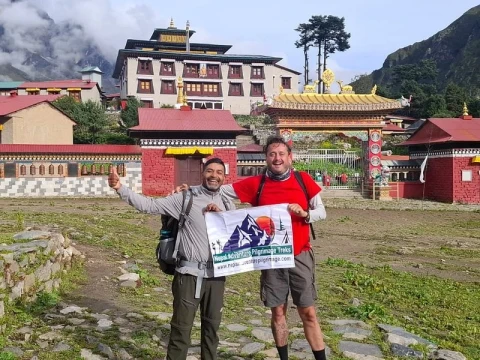
The Everest Base Camp journey is traditionally known as a rugged, high-altitude adventure, but in recent years it has evolved into a refined “luxury trekking” experience that blends raw Himalayan wilderness with comfort, safety, and personalized service. This itinerary—from arrival in Kathmandu to the dramatic flight into Lukla Airport and onward