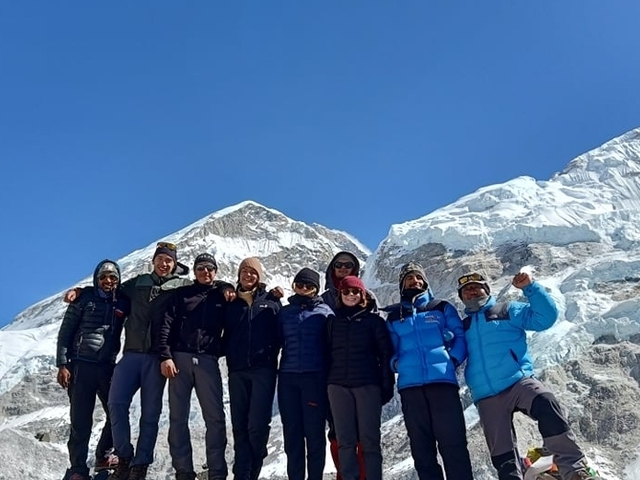
Everest Base Camp Short Trek in Nepal is the challenging way to conquer the base camp of the world's tallest mountain Mt. Everest. Lots of people have the wish to leave the footprints at the Everest Base Camp. However, people might not get the vacation required for the regular Everest Base Camp Trek. Therefore, Nepal Adventure Pilgrimage Treks & Expeditions knitted the best itinerary for the trekkers. You can complete the trekking in just 10 Days.Even if the trekking lasts for 10 days, trekkers can do the trekking safely without the risk of the altitude sickness. Our travel planners are highly competitive as they have been knitting itineraries for more than 20 years in the field of Nepal Trekking.Everest Base Camp Short Trek Itinerary OverviewThe itinerary of Everest Base Camp Short Trek in Nepal is designed after lots of research. There are no extra days for the acclimatization activities. However, our planners always keep the safety of the trekkers. Therefore, even if there are no acclimatization rest days, trekkers have to do the activities. The major key to get the proper acclimatization in the high altitude is to travel to the high altitude destination and staying overnight at the low altitude.As for example, the first acclimatization in the regular Everest Base Camp Trek in Nepal is at Namche Bazaar. Trekkers have to do the hike of Everest View Hotel (3800 m). During Everest Base Camp Short Trek, trekkers reach the Everest View Hotel on the day they arrive Namche Bazaar. After visiting the hotel they will return back to Namche Bazaar for overnight stay.In Dingboche, Nagarshan Hill (5100 m) is used for the acclimatization. Therefore, trekkers will hike the hill after lunch in Dingboche. In our itinerary, trekkers will reach the Dingboche from Pangboche for lunch. Therefore, they will be able to do the acclimatization in order to make the trip altitude friendly.Other adventurous trekking packages in NepalWe have a wide range of treks, tours, and expedition packages in Nepal that lets you explore the mainstream trekking routes to the isolated, offbeat trails and the hidden corners.In the Everest region itself, we have quite a range of trekking and climbing packages available, like the Gokyo Lakes trek, Everest Panorama trek, Everest Three High Passes trek, Everest Base Camp Helicopter Tour, etc. Likewise, here are some other hand-picked trekking packages for you in Nepal- Langtang Valley trek, Annapurna Circuit trek, Manaslu Circuit trek, Mardi Himal trek, Khopra Danda trek, Upper Mustang trek, Ghorepani Poon Hill trek, and Langtang Gosaikunda trek.Feel free to contact us at [email protected] or +977 9851267334 if you have any queries. Our itineraries are flexible, so you can tailor design any package with us as per your requirements. Sunrise from Kalapathar & Everest Base CampLeave your footprints at the Everest Base Camp (5364 m) and witness the gorgeous sunrise from 5545 m from the sea level which is Kalapathar. Trekkers can get the sight of the mountains like Pumori, Everest, Nuptse, Lhotse, Amadablam, Mera, etc. This is the joyous event.Book the Everest Base Camp Short Trek in Nepal with us. You can explore the majestic Khumbu region of Nepal in style. In just 10 days, explore Nepal's epitome of all the trekking destinations. Difficulty level of Everest Base Camp Short TrekThe trail is moderate if planned well. Nepal Adventure Pilgrimage Treks always knits the best itinerary for our valued clients. Our itinerary is prepared by the travel planners having 2 decades of experience in the field of Nepal Trekking. It ensures the high success rate.Trekkers reach as high as 5545 m (Kalapathar) during the trek. The maximum change in the altitude is about 300 m – 450 m. Gradual ascent, sound planning and proper acclimatization activities make it worth trying without the fear of altitude sickness.The trail after Lobuche is through rocky terrain and moraines which are difficult but other places are smooth. The trail is organized and has numerous amenities for the support of the trekkers. Therefore, the current status of the trail cannot be termed as difficult but it is moderate.Accommodation and MealEverest region of Nepal is sumptuous. There are plethora of teahouses and lodges. As the number of trekkers in the region is high there are different styles of accommodation. One can get the varieties of the services according to the budget.Until the trekkers reach the Tengboche there are high choices ranging from luxury to basic lodging. However, beyond Tengboche every trekker has to stay in the limited teahouses. As the altitude rise the lodging facility becomes more basic. However, there are new teahouses with attached bathroom and free internet which was earlier needed to pay.Regarding the meals’ availability there are numerous menu choices. The agency however recommends you to have soupy and basic food along with plenty of water. There are various cuisines which you can order for the meal like continental, Chinese, local and Indian. Heed the instructions of the trekking guide while choosing the menu items as you might end up paying high for the food items which are cheaper in city areas. The places are inaccessible and all the food items need to be carried either by helicopter or mule. Therefore, it is expensive. The best solution is to book the full board package so that your agency takes care of everything.Side Trips To Everest Base Camp Short Trek There are numerous trekking routes that you can add along with your Everest Base Camp Trekking. The most famous one is the Everest Base Camp Chola Pass Trek. It takes trekkers to the blue turquoise lake valley of Gokyo once you cross the Chola Pass which is in between Lobuche and Gokyo.Everest Three High Passes Trek, Renjo La Trek, Amadablam Base Camp Trek and Everest View Trek are few examples of side trips which you can do.Current Trail ConditionTrail condition of Everest Base Camp Trail is absolute. It is very organized and untainted. There is no road accessibility which has resulted in mystic walking adventure. Most of the trekking trails of Nepal is being destroyed by the haphazard planning and road constructions. The best example is the Annapurna Circuit Trek. However, the EBC Trek trail is still intact. The local government and people have not allowed the road to be constructed beyond Lukla. Therefore, it is the best untainted walking trail of Nepal.Best Time to Visit Everest Base Camp Short TrekNepal Trekking is possible throughout the year. However, the best window for the trekkers to visit Nepal for the walking holiday is spring and autumn season. During this season blooming flowers and clear make it fascinating for the trekkers.Moreover, trekking is to have the perfect vista and clear weather. Months of March – May and September – November are relatively clearer. The chance of cancellation is very low. If you are planning to do the Everest Base Camp Trekking then these months are ideal choice. You can book the trekking according to your holiday plans though throughout the year.Book the Everest Base Camp Short Trek in Nepal with us. You will be blessed by the mesmerizing mountain vistas and overwhelmed by the impeccable hospitality of our crew members. Come and join us to knit the legendary travel tale of your lifetime in the most affordable price.What is the The weather condition in the Everest region?Everest is the right place to trek all over the year. The people can trek in all seasons in the Mount Everest. The March to May and October to November are the most popular trekking months in Nepal. The Himalayan peak is the coldest region so you should avoid the monsoon and winter season to trek in the high altitude. During the winter days, the temperature will be below minus. On the monsoon season, the trekking routes are damaged by the rain. But you can able to trek in the Everest region on rainy days.journey of Everest Base Camp Short Trek in Nepal is obviously a high altitude trail. Therefore, the risk of AMS (Acute Mountain Sickness) is the biggest factor which you can’t miss out. However, careful planning and expert guidance can help you overcome this sickness. Remember that even the locals can suffer from AMS. So, it is common for all regardless of their physical fitness level.Our trekking guides help you gradually adapt to the altitude gain. It is essential to do acclimatization activities before heading to higher altitude. Don’t avoid Namche and Dingboche acclimatization breaks. Usually, altitude sickness starts from place above 3000 m. Everest trek starts from 2800 m. Therefore, you need to be very careful. Always heed the instructions of the guide and consume plenty of fluids and carbohydrate.Everest Region Travel & Adventure Blog HighlightsAmazing Facts About on the Everest Base Camp TrekA Complete Guide to Everest Base Camp Trekking from May to Marchwhy we trek to nepal adventure pilgrimage with everest base camp?Top Highlights of the Everest View Short TrekEverest Three Passes Trekking in Nepal: Crossing Kongma La, Cho La and Renjo La Adventure Above 5,000mLangtang Trekking vs Everest Panorama TrekkingBest Time To Visit Everest Base Camp TrekGet ultimate trekking experience in the Everest region Trek 2022Tenzing Hillary AirportSherpa Villages and Everest Region: Must Do Trek in Nepal!Top 3 Treks to do in Autumn Season in NepalMake Your Trip More Unforgettable With Adventurous ThingsTrekking in Nepal in AugustTrekking In Nepal In MayTrekking in Nepal in AprilTrekking In Nepal In October 2022/2023Trekking in Nepal in September10 Most Beautiful Places In Nepal That You Should Visit OnceTour Packages in Nepal - How to get the Best?Trekking in the thin Air you can do it,with Nepal Adventure Pilgrimage TrekTop Hidden Gems in Nepal to Explore in 2026

The Bhutan Heritage Tour is a captivating journey that takes you deep into the cultural and spiritual essence of Bhutan, a kingdom where ancient traditions and modern life blend harmoniously. Bhutan, known for its untouched landscapes and deeply rooted Buddhist heritage, offers an unparalleled experience for travelers seeking an authentic connection with history, spirituality, and nature. This tour takes you through Bhutan’s most culturally rich destinations, including Paro, Thimphu, Punakha, Wangdue Phodrang, and the famous Tiger’s Nest Monastery, with a prelude in Nepal’s vibrant capital, Kathmandu and Bhaktapur.From exploring the grandeur of Bhutan’s majestic dzongs (fortresses) to visiting sacred Buddhist monasteries and temples, this tour provides a profound insight into Bhutan’s cultural heritage. Travelers will witness traditional Bhutanese architecture, unique customs, and spiritual rituals that have remained unchanged for centuries. The highlight of the journey is the awe-inspiring Taktsang Monastery (Tiger’s Nest Monastery), perched dramatically on a cliff, offering breathtaking views and an unforgettable pilgrimage experience.Bhutan Heritage Tour with Kathmandu SightseeingBefore stepping into Bhutan’s mystical world, the Kathmandu sightseeing tour adds another dimension to the journey. Kathmandu, the cultural capital of Nepal, is home to ancient temples, bustling streets, and a fascinating mix of Hindu and Buddhist traditions. The city’s vibrant energy and deep spiritual significance make it a great starting point for a heritage tour.During the Kathmandu tour, travelers visit Swayambhunath (Monkey Temple), a stunning stupa offering panoramic views of the Kathmandu Valley. Pashupatinath Temple, one of the most sacred Hindu temples, provides insight into Nepalese religious customs, while Boudhanath Stupa, a UNESCO World Heritage Site, is a significant Tibetan Buddhist pilgrimage center. A visit to Bhaktapur, an ancient city known for its well-preserved Newari architecture, adds to the experience. Its medieval squares, intricate wood carvings, and vibrant local life make it a highlight of the tour before heading to Bhutan.Best Time for Bhutan Heritage TourThe best time to embark on a Bhutan Heritage Tour is during spring (March to May) and autumn (September to November). These seasons offer ideal weather conditions, clear skies, and the opportunity to witness Bhutan’s most vibrant festivals.During spring, Bhutan’s valleys come alive with blooming rhododendrons and lush green landscapes. The mild weather makes it perfect for exploring monasteries, dzongs, and trekking to sacred sites like the Tiger’s Nest Monastery. In autumn, travelers can experience Bhutan’s major festivals, such as Thimphu Tshechu and Paro Tshechu, where monks and laypeople perform traditional mask dances and rituals. Winter (December to February) is an excellent time for those who prefer fewer crowds and want to see the snow-capped Himalayas, while summer (June to August) is the monsoon season, bringing lush greenery but occasional rain showers.Bhutan Heritage Tour PermitsBhutan follows a strict tourism policy to preserve its cultural heritage and natural beauty. Travelers are required to obtain a visa and special permits before entering the country, which must be arranged through a licensed Bhutanese tour operator or an affiliated international agency.The Visa Clearance Letter must be obtained before arrival, and tourists must present it at the immigration checkpoint. Additionally, a Route Permit is required for visiting regions beyond Paro and Thimphu, including Punakha, Wangdue Phodrang, and other districts. The Sustainable Development Fee (SDF), charged by the Bhutanese government, helps maintain the country's sustainability and cultural preservation. All necessary permits and visa processing are arranged by the travel agency to ensure a seamless experience.Food and Accommodation for Bhutan Heritage TourBhutanese cuisine is a unique combination of bold flavors, heavily influenced by chili and dairy products. The country’s national dish, Ema Datshi, made with spicy chilies and cheese, is a must-try for visitors. Other popular dishes include Phaksha Paa (pork cooked with red chilies), Jasha Maroo (spicy minced chicken), and Red Rice, which is a staple food in Bhutan. For those who prefer milder flavors, Indian and continental options are also available at most hotels and restaurants.Accommodation in Bhutan varies from traditional guesthouses and boutique hotels to luxury resorts. Most hotels are designed in traditional Bhutanese architecture and provide modern amenities while maintaining an authentic local experience. In Paro, Thimphu, and Punakha, travelers can find comfortable 3-star to 5-star hotels, while in remote areas like Wangdue Phodrang, accommodations are simpler but cozy and welcoming. Regardless of the location, Bhutanese hospitality ensures a warm and memorable stay.Why Choose Us for Bhutan Heritage Tour?At Nepal Adventure Pilgrimage Treks & Expedition, we specialize in curating exceptional Bhutan Heritage Tours that allow travelers to experience Bhutan’s rich traditions, breathtaking landscapes, and spiritual heritage. With our expert guides, carefully crafted itineraries, and deep knowledge of Bhutanese culture, we ensure that every traveler has a meaningful and immersive experience.We take care of all the logistics, from visa processing and permits to transportation and accommodations, ensuring a hassle-free journey. Our guides are well-versed in Bhutanese history and Buddhism, offering in-depth insights into the country’s cultural landmarks. Whether you want to explore ancient dzongs, witness colorful festivals, or trek to sacred monasteries, our tours are designed to provide an authentic and enriching experience.Why Choose Nepal Adventure Pilgrimage Treks & Expedition?Nepal Adventure Pilgrimage Treks & Expedition is a trusted name in Himalayan travel, offering expertly curated tours in Nepal, Bhutan, and Tibet. Our team consists of experienced guides, travel experts, and local professionals dedicated to providing top-quality service with a personal touch.We believe in sustainable and responsible tourism, ensuring that our tours respect local cultures and support communities. Our itineraries are flexible, catering to solo travelers, couples, families, and groups. With transparent pricing, personalized service, and attention to detail, we guarantee an unforgettable travel experience. Choose us for your Bhutan Heritage Tour, and let us take you on a journey through one of the world’s most enchanting destinations.
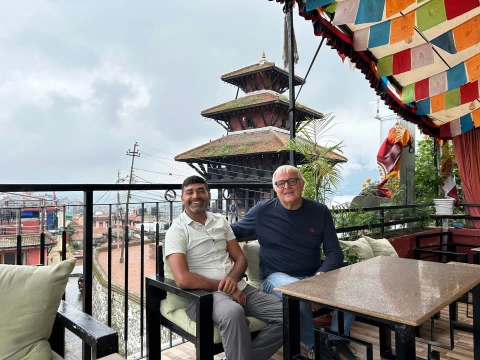
The Nepal Classical Tour is a perfect blend of history, culture, and natural beauty, taking you through some of Nepal’s most fascinating destinations—Kathmandu, Bandipur, Pokhara, and Chitwan. This tour offers travelers an in-depth experience of Nepal’s rich heritage, stunning landscapes, and diverse wildlife. From the ancient temples and palaces of Kathmandu to the charming streets of Bandipur, the serene beauty of Pokhara, and the lush jungles of Chitwan, this journey showcases Nepal’s essence in the most captivating way.In Kathmandu, the capital city and cultural heart of Nepal, travelers explore UNESCO World Heritage Sites such as Pashupatinath Temple, Boudhanath Stupa, Swayambhunath (Monkey Temple), and Durbar Square. Moving towards Bandipur, a beautifully preserved Newari town, visitors can witness traditional architecture and stunning mountain views. Pokhara, known as the "City of Lakes," offers breathtaking scenery, adventure activities, and serene spots like Phewa Lake and Sarangkot. The journey concludes in Chitwan National Park, home to rare wildlife, including one-horned rhinoceroses, Bengal tigers, and numerous bird species. This classical tour is an ideal choice for history lovers, nature enthusiasts, and those seeking a peaceful yet adventurous experience.Best Time for Nepal Classical TourThe best time to embark on the Nepal Classical Tour is during the spring (March-May) and autumn (September-November) seasons. These months offer pleasant weather, clear skies, and stunning views of the Himalayas, making travel comfortable and sightseeing enjoyable. During spring, Nepal comes alive with blooming rhododendrons and lush greenery, enhancing the scenic beauty of destinations like Bandipur and Pokhara. Autumn, on the other hand, brings crisp air and clear mountain views, making it an ideal time for photography and outdoor activities.Although the winter months (December-February) are colder, especially in the mornings and evenings, this season offers fewer crowds and a peaceful experience. The monsoon season (June-August) brings heavy rainfall, which can make travel challenging due to slippery roads and cloudy skies, but it also turns the landscapes lush and vibrant. Depending on your preference, you can choose the best time that suits your travel plans and interests.Nepal Classical Tour PermitsTravelers undertaking the Nepal Classical Tour require different permits based on the destinations included in the itinerary. For visiting Kathmandu’s heritage sites, travelers need to pay an entry fee for locations like Kathmandu Durbar Square, Swayambhunath, Pashupatinath, and Boudhanath. Bandipur does not require special permits, but a small entrance fee may apply for conservation purposes.For Pokhara, no specific permit is needed for general sightseeing. However, if visitors plan to do any trekking or adventure activities in surrounding areas like Annapurna Conservation Area, a TIMS (Trekkers’ Information Management System) card and ACAP (Annapurna Conservation Area Permit) are required. Chitwan National Park requires an entry permit, which includes conservation and wildlife fees, allowing visitors to engage in jungle safaris, canoeing, and cultural programs. Our team at Nepal Adventure Pilgrimage Treks & Expedition assists in obtaining all necessary permits, ensuring a hassle-free journey for our travelers.Food and Accommodation for Nepal Classical TourDuring the Nepal Classical Tour, travelers can expect a range of accommodation and food options, from budget-friendly guesthouses to luxury hotels. In Kathmandu, Pokhara, and Chitwan, visitors can stay in well-equipped hotels that provide modern amenities, comfortable rooms, and traditional Nepali hospitality. Bandipur, being a smaller town, offers cozy boutique hotels and heritage lodges that showcase Newari-style architecture and provide an authentic cultural experience.Food options are diverse, with Nepali, Indian, Tibetan, and international cuisines available throughout the tour. In Kathmandu and Pokhara, visitors can enjoy a variety of restaurants serving everything from local dal-bhat (rice and lentil soup) to Italian, Chinese, and continental dishes. In Bandipur, the local eateries serve delicious Newari and Gurung cuisine, while Chitwan offers Tharu-style meals, including fresh fish and locally grown vegetables. Jungle resorts in Chitwan provide buffet-style meals with a mix of Nepali and Western dishes. Overall, travelers can enjoy delicious and hygienic meals that cater to all dietary preferences.Why Choose Us for Nepal Classical Tour?Choosing Nepal Adventure Pilgrimage Treks & Expedition for the Nepal Classical Tour ensures a seamless and enriching travel experience. We specialize in crafting well-organized itineraries that allow travelers to explore Nepal’s cultural heritage, historical sites, and natural wonders without any hassle. Our expert local guides provide deep insights into Nepal’s history, traditions, and architecture, making the journey informative and engaging.We prioritize customer satisfaction, safety, and personalized services. Whether it’s arranging comfortable accommodations, assisting with permits, or customizing the itinerary to match individual preferences, we ensure that every aspect of the tour is well taken care of. Our team of experienced professionals is dedicated to making your journey enjoyable, informative, and memorable, allowing you to experience Nepal in its most authentic and beautiful form.Why Choose Nepal Adventure Pilgrimage Treks & Expedition?At Nepal Adventure Pilgrimage Treks & Expedition, we believe that travel is more than just visiting places—it’s about creating unforgettable memories and meaningful experiences. With years of experience in the travel and trekking industry, we are committed to providing exceptional service, ensuring our clients have a comfortable and enriching journey. Our guides are not just experts in navigation; they are passionate about sharing Nepal’s history, culture, and natural beauty with every traveler.We stand out due to our affordable pricing, customized itineraries, and strong commitment to responsible tourism. We focus on sustainable travel practices, supporting local communities, and preserving Nepal’s cultural and natural heritage. Whether you're traveling solo, with family, or in a group, we ensure a safe, exciting, and well-organized tour. Choosing us means choosing a hassle-free and unforgettable journey through Nepal’s most iconic destinations.
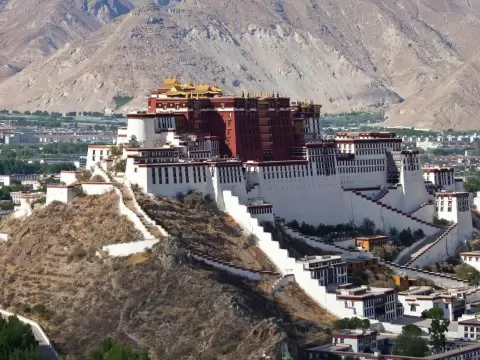
The Kathmandu Lhasa Cultural Tour is a mesmerizing journey through two of the most culturally and spiritually rich destinations in the Himalayas. This tour offers an immersive experience into the ancient traditions, sacred sites, and historical wonders of Nepal and Tibet, combining the vibrant energy of Kathmandu Valley with the serene spirituality of Lhasa and its surrounding regions. Designed for travelers seeking cultural enrichment, spiritual insight, and breathtaking landscapes, this journey takes you through the heart of Tibetan Buddhism and Nepalese heritage.Upon arrival in Kathmandu, travelers are welcomed and transferred to their hotel, where they can relax and soak in the vibrant energy of Nepal’s capital. The journey begins with an exploration of the city’s UNESCO-listed heritage sites, including Kathmandu Durbar Square, where ancient palaces and temples reflect Nepal’s rich history. The tour continues to Patan Durbar Square, known for its exquisite Newari architecture, and the sacred Monkey Temple (Swayambhunath), offering panoramic views of the Kathmandu Valley. The next day, the cultural immersion deepens with a visit to Bhaktapur, an ancient city with well-preserved temples, courtyards, and pottery squares. Spiritual sites such as Pashupatinath, Nepal’s holiest Hindu temple, and Boudhanath Stupa, one of the largest Buddhist stupas in the world, provide a glimpse into the country’s religious diversity.A free day in Kathmandu allows for leisurely exploration, shopping, or personal discoveries before embarking on the flight to Lhasa, the spiritual and historical heart of Tibet. The journey over the Himalayas provides breathtaking aerial views of the world's highest peaks. Upon landing, the high-altitude experience begins with a tour of the Potala Palace, the former winter residence of the Dalai Lama and an architectural masterpiece. Visits to Sera Monastery, a center of Tibetan Buddhist learning, and Norbulingka Palace, the Dalai Lama’s summer retreat, offer deeper insights into Tibetan Buddhism and its traditions. The cultural exploration continues with a tour of Drepung Monastery, once Tibet’s largest monastery, followed by a visit to Jokhang Temple, the holiest temple in Tibet, which attracts thousands of pilgrims. Strolling through Barkhor Street, a bustling market and traditional pilgrimage circuit, offers an authentic taste of Lhasa’s vibrant atmosphere.Leaving Lhasa, the journey proceeds toward Tsedang, one of Tibet’s oldest towns, with a stop at Samye Monastery, Tibet’s first Buddhist monastery. In Tsedang, visits to Yumbulakang Palace, believed to be Tibet’s first palace, and Trandruk Monastery, home to a sacred pearl Thangka, showcase Tibet’s ancient history and spiritual significance. The final leg of the tour takes travelers back to Lhasa Gonggar Airport for the return flight to Kathmandu, where the journey concludes. With unforgettable memories of Nepalese and Tibetan culture, history, and spirituality, travelers depart with a newfound appreciation for these mystical lands, carrying experiences that will be cherished forever.Major ViewpointsThe Tibet Cultural Tour offers some of the most breathtaking mountain vistas in the world, providing a once-in-a-lifetime opportunity to witness the grandeur of the Himalayas. The journey begins with a scenic flight from Kathmandu to Lhasa, where travelers are treated to spectacular aerial views of towering peaks, including Mount Everest (8,848m), Mount Makalu (8,485m), and Mount Cho Oyu (8,188m). This flight alone is an unforgettable experience, as the snow-capped peaks stretch endlessly across the horizon.During the overland journey from Lhasa to Xigatse and Gyantse, travelers will traverse high-altitude mountain passes such as Karo La Pass (5,010m) and Kamba La Pass (4,794m). These locations offer panoramic views of the rugged Tibetan Plateau, dotted with glaciers, deep valleys, and crystal-clear lakes. Another highlight is Namtso Lake, one of the highest saltwater lakes in the world, surrounded by majestic snow-covered peaks that reflect beautifully in the pristine waters.The journey back to Lhasa and the return flight to Kathmandu provide yet another opportunity to soak in the magnificent landscapes of the Himalayas. Whether gazing at the towering peaks from the sky or standing at the edge of a sacred lake with the mountains in the background, the Tibet Cultural Tour is a paradise for nature lovers and photography enthusiasts.Major Attractions: Natural Beauty, Culture, Villages & MonasteriesTibet is a land of profound natural beauty and rich cultural heritage. The journey takes travelers through a diverse landscape of snow-capped mountains, high-altitude lakes, vast plains, and deep valleys. Among the natural wonders, Yamdrok Lake, with its mesmerizing turquoise waters, and Namtso Lake, known as the "Heavenly Lake," are among the most scenic spots. These pristine lakes, surrounded by towering peaks, hold deep spiritual significance for Tibetans.Culturally, Tibet is home to some of the most significant Buddhist monasteries, temples, and ancient villages. The tour explores the grandeur of Potala Palace, the former winter residence of the Dalai Lama, an architectural masterpiece that dominates Lhasa’s skyline. Nearby, Jokhang Temple, the most sacred temple in Tibet, offers a spiritual experience with its golden roofs, chanting monks, and devoted pilgrims performing kora (ritual circumnavigation). The bustling Barkhor Street surrounding the temple provides a glimpse into Tibetan daily life, with vibrant markets selling prayer flags, thangka paintings, and traditional Tibetan crafts.The overland journey introduces visitors to historic towns like Gyantse, home to the remarkable Kumbum Stupa, and Xigatse, where the Tashilhunpo Monastery stands as a seat of the Panchen Lama. Along the way, travelers pass through remote Tibetan villages, where they can observe traditional lifestyles, ancient farming methods, and the warm hospitality of the Tibetan people. The blend of natural beauty and cultural depth makes this tour an enriching and unforgettable experience.Best Time for Tibet Cultural TourThe best time for the Tibet Cultural Tour depends on weather conditions and travel preferences. The ideal seasons are spring (April to June) and autumn (September to November). During these months, the skies remain clear, offering the best visibility of the Himalayas, lakes, and high-altitude landscapes. The temperatures are moderate, making exploration comfortable while avoiding the extreme cold of winter or the heavy monsoon rains that sometimes affect Nepal.Summer (July to August) is also a good time to visit, as Tibet remains relatively dry despite the monsoon in Nepal. However, it can be slightly crowded due to peak tourism season. Winter (December to February) is the least favorable time due to the harsh cold, particularly in high-altitude regions. However, for those seeking solitude and fewer tourists, winter offers a unique perspective of Tibet’s serene landscapes and snow-covered monasteries.For travelers interested in cultural experiences, visiting during Tibetan festivals such as the Saga Dawa Festival (May/June) or the Shoton Festival (August) adds a special dimension to the journey. These celebrations feature traditional dance, music, religious ceremonies, and the unveiling of giant thangka paintings.Tibet Cultural Tour Difficulty LevelThe Tibet Cultural Tour is moderately challenging due to the high-altitude environment, but it does not require extensive trekking or strenuous physical activity. Most of the journey involves sightseeing, cultural exploration, and scenic drives. However, altitude sickness can be a concern, as much of Tibet lies above 3,500 meters, with some areas exceeding 5,000 meters.To ensure a comfortable journey, the itinerary includes proper acclimatization days in Lhasa, allowing travelers to adjust to the altitude before venturing to higher elevations. It is recommended to stay hydrated, move at a slow pace, and avoid overexertion. People with respiratory or heart conditions should consult a doctor before traveling to high-altitude destinations.Despite the altitude, the well-organized itinerary and comfortable accommodations make this tour suitable for travelers of all ages. No prior trekking experience is needed, but a basic level of fitness helps in coping with the high-altitude environment.Food & Accommodations During the TourThroughout the Tibet Cultural Tour, travelers can expect a mix of traditional Tibetan cuisine, Chinese dishes, and limited Western options. In major cities like Lhasa, Shigatse, and Gyantse, well-established restaurants are offering a variety of meals, including Tibetan butter tea, tsampa (barley flour), momos (dumplings), thenthuk (noodle soup), yak meat dishes, and stir-fried vegetables. Chinese-style meals, including rice and noodle dishes, are widely available. Some hotels and restaurants in Lhasa also serve continental and Indian cuisine, catering to international travelers.Breakfast is typically provided at the hotels and consists of bread, eggs, Tibetan bread, porridge, tea, and coffee. In remote areas, the food options become simpler, mainly focusing on noodles, rice, vegetables, and soups. Travelers with dietary restrictions should inform their tour operator in advance to ensure suitable meal arrangements. It’s also advisable to carry snacks, energy bars, and instant meals, especially for long driving days between cities.Accommodations during the tour vary depending on the location. In Lhasa, Shigatse, and Gyantse, travelers stay in comfortable hotels ranging from budget to luxury options, featuring amenities like Wi-Fi, hot showers, and comfortable bedding. In more remote areas, such as during the Namtso Lake excursion, accommodations are more basic, with guesthouses and lodges providing simple rooms with shared bathrooms. It’s important to be prepared for limited facilities in these remote regions, but the incredible natural beauty and cultural richness make the experience worthwhile.Network & CommunicationsTibet has fairly good network coverage in major cities like Lhasa, Shigatse, and Gyantse, where travelers can access mobile networks, Wi-Fi, and even international calling services. Most hotels and some restaurants provide free Wi-Fi, but the speed and reliability may vary, especially in high-altitude or remote areas. China Telecom, China Mobile, and China Unicom are the main mobile service providers in Tibet, and they offer SIM cards with data packages that travelers can purchase in Lhasa. However, a Chinese visa or travel permit is required to buy a local SIM card.Internet access in Tibet is restricted due to Chinese government regulations. Popular platforms like Google, Facebook, WhatsApp, Instagram, and YouTube are blocked. To bypass these restrictions, travelers can use a VPN (Virtual Private Network), but it’s best to download and set it up before arriving in Tibet. Some hotels and cafes provide partial internet access, but connectivity is limited compared to Western countries.While traveling through rural areas and high-altitude locations like Namtso Lake and mountain passes, mobile network coverage can be weak or nonexistent. It’s advisable to inform family and friends about potential communication gaps during these parts of the journey. Travelers relying on internet access for work or important communication should plan accordingly, as connectivity can be unpredictable.Weather in TibetTibet experiences extreme weather variations due to its high-altitude location. The best seasons for the Tibet Cultural Tour are spring (April–June) and autumn (September–November), when the weather is relatively stable with clear skies, moderate temperatures, and breathtaking mountain views. During these months, daytime temperatures in Lhasa range from 10°C to 20°C (50°F to 68°F), while higher-altitude areas can be colder, especially at night.Summer (July–August) is also a popular time to visit, as Tibet receives minimal rainfall compared to Nepal and India, though occasional showers may occur. The temperatures are warmer, ranging from 15°C to 25°C (59°F to 77°F) in Lhasa. However, some areas may experience strong UV radiation, requiring travelers to use sunscreen, sunglasses, and hats for protection.Winter (December–February) brings harsh cold temperatures, dropping below -10°C (14°F) in high-altitude areas. While Lhasa remains accessible, remote regions, such as Namtso Lake, become extremely cold, making travel challenging. However, winter offers a unique and peaceful experience with fewer tourists, pristine snow-covered landscapes, and a more authentic glimpse into Tibetan life. Travelers should pack accordingly with warm clothing, thermal layers, and insulated jackets if visiting during the colder months.Why Choose This Tibet Cultural Tour with Nepal Adventure Pilgrimage Treks & Expedition?Nepal Adventure Pilgrimage Treks & Expedition is a trusted and experienced tour operator specializing in Himalayan adventures. Our Tibet Cultural Tour is designed to offer an immersive experience, balancing cultural exploration, scenic beauty, and spiritual encounters. With our expert guides and carefully crafted itinerary, we ensure a smooth and enriching journey through Tibet’s most significant landmarks.One of the key advantages of traveling with us is our strong local connections and years of experience in organizing Tibet tours. We handle all necessary permits, travel arrangements, and accommodations, ensuring a hassle-free trip. Our guides are not only knowledgeable about Tibetan history and Buddhism but also well-trained in handling altitude-related concerns, ensuring the safety and comfort of our travelers.Furthermore, we prioritize small group sizes and personalized service, allowing travelers to fully engage with the culture and landscapes without feeling rushed. Whether you are a spiritual seeker, a cultural enthusiast, or a nature lover, our Tibet Cultural Tour promises an unforgettable journey to one of the most mystical regions on earth. Choose Nepal Adventure Pilgrimage Treks & Expedition for an authentic, well-organized, and deeply enriching experience in Tibet.