Lhasa is the spiritual heart of Tibet, where ancient monasteries, sacred temples, and vibrant street life blend into a deeply cultural Himalayan experience. Travelers come here not only for sightseeing but also for spiritual exploration, Tibetan Buddhist heritage, and the dramatic high-altitude landscapes that surround the city.
A journey through Lhasa is best experienced with a guided tour or pilgrimage-style itinerary arranged by Nepal Adventure Pilgrimage Treks & Expedition, ensuring smooth logistics, cultural insight, and proper acclimatization in the high-altitude environment.
Things to do in Lhasa:
Lhasa is the capital city of the Tibet Autonomous Region and one of the most spiritually significant cities in the world. It has been a center of Tibetan Buddhism for centuries and remains a pilgrimage destination for devotees who travel from across Tibet and beyond to visit its sacred sites.
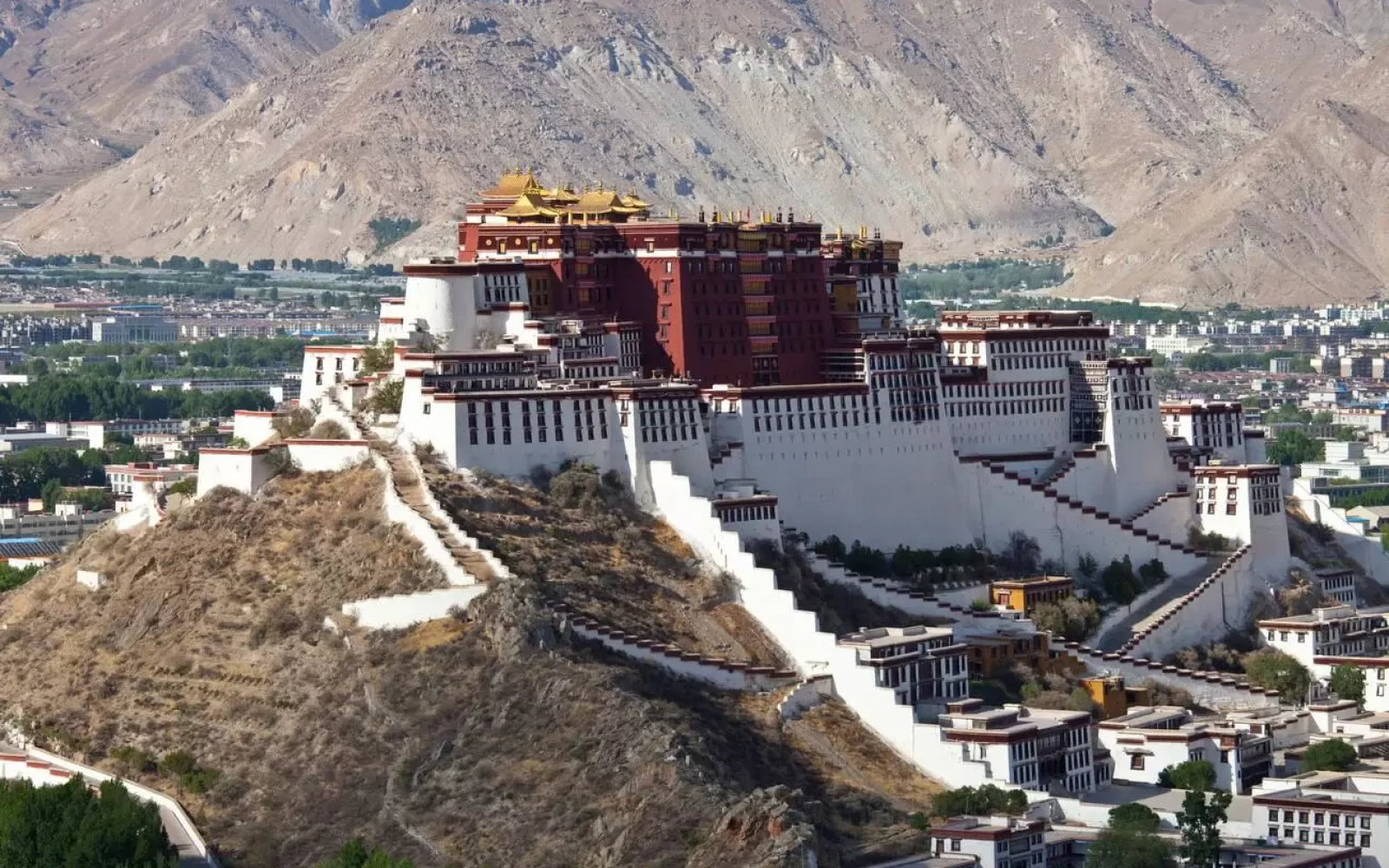
The city’s spiritual identity is deeply rooted in landmarks such as the Potala Palace, once the winter residence of the Dalai Lama, and Jokhang Temple, considered the holiest temple in Tibetan Buddhism. Together, these sites create a powerful atmosphere of devotion, prayer wheels, chanting monks, and incense-filled courtyards.
Highlights of Lhasa:
Lhasa is located in central Tibet, sitting on the Tibetan Plateau at an altitude of about 3,650 meters (11,975 feet) above sea level. This extreme elevation gives it the famous title “Roof of the World,” with thin air, crisp skies, and dramatic mountain scenery surrounding the city.
The geography of Lhasa is defined by high-altitude valleys and the Lhasa River, with distant Himalayan peaks shaping the horizon. This unique environment requires travelers to acclimatize properly, but it also rewards them with breathtaking views and a deeply serene atmosphere unlike anywhere else on Earth.
Key geographic facts:
The best time to visit Lhasa is generally from April to October, when the weather is relatively mild, the skies are clear, and travel conditions are more comfortable. During this period, monasteries, festivals, and outdoor exploration can be enjoyed with fewer weather-related disruptions.
Winter months are colder but offer a quieter and more spiritual experience, with fewer tourists and a more peaceful atmosphere in sacred places like Sera Monastery, Drepung Monastery, and Norbulingka.
Seasonal breakdown:
Travel tips:
Reaching Lhasa is an unforgettable journey, with most international travelers entering via mainland China before continuing to Tibet. The most popular and scenic option is the Tibet Railway, which connects cities like Xining, Beijing, Chengdu, and Xi’an to Lhasa, offering breathtaking views of the Tibetan Plateau along the way. Flights are also available to Lhasa, though rail travel is often preferred for better acclimatization.
Travel to Lhasa requires careful planning due to its high altitude and controlled entry system. Most visitors arrange their journey through a registered travel operator such as Nepal Adventure Pilgrimage Treks & Expedition, which helps coordinate permits, transportation, and guided tours for a smooth and legal entry into Tibet.
How to reach Lhasa:
Traveling to Tibet is not like visiting most destinations; it requires special permits issued by Chinese authorities. The most important document is the Tibet Travel Permit, which is mandatory for all foreign travelers entering Lhasa. Independent travel is not allowed, so visitors must join an organized tour arranged by licensed agencies.
Additional permits may be required depending on the regions visited beyond Lhasa, and all arrangements are typically handled by trusted operators such as Nepal Adventure Pilgrimage Treks & Expedition. Travelers must also carry valid passports and Chinese visas before applying for Tibet entry approval.
Required documents & rules:
Lhasa offers a rich blend of spiritual heritage, architectural wonders, and cultural experiences. The city is home to some of the most sacred Tibetan Buddhist landmarks, where prayer flags flutter, monks chant, and pilgrims walk ancient kora paths. A guided itinerary ensures you experience the depth and meaning behind each site.
With Nepal Adventure Pilgrimage Treks & Expedition, travelers can explore Lhasa in a structured and meaningful way, covering monasteries, palaces, and vibrant local streets while learning about Tibetan culture and traditions.
Explore the iconic Potala Palace, Sera Monastery, and Norbulingka
The majestic Potala Palace dominates the skyline of Lhasa and was once the winter residence of the Dalai Lama. Nearby, Sera Monastery is famous for its lively monk debates, while Norbulingka served as the summer palace of the Dalai Lama, surrounded by peaceful gardens.
These sites showcase the architectural brilliance and spiritual depth of Tibetan Buddhism. Visitors can explore ancient halls, sacred artifacts, and peaceful courtyards that reflect centuries of devotion and history.
Highlights:
Visit the sacred Jokhang Temple, Drepung Monastery, Jokhang Temple & Barkhor Street
The sacred Jokhang Temple is considered the most important pilgrimage site in Tibet, attracting devoted pilgrims from across the region. Nearby, Drepung Monastery was once one of the largest monasteries in the world, housing thousands of monks and serving as a major center of Buddhist learning.
The area around Jokhang is deeply spiritual and culturally rich, forming the heart of old Lhasa. Pilgrims circle the temple in prayer, while visitors can observe centuries-old rituals and traditions still actively practiced today.
Highlights:
Walk through the vibrant Barkhor Street
Barkhor Street is the spiritual and cultural heart of Lhasa, encircling Jokhang Temple and forming a bustling pilgrimage circuit. The street is filled with prayer wheels, incense smoke, traditional shops, and local Tibetan life, offering an authentic glimpse into the city’s living culture.
Walking through Barkhor Street allows travelers to experience both devotion and daily life side by side. From pilgrims spinning prayer wheels to merchants selling handicrafts, every corner tells a story of tradition and faith.
Highlights:
Lhasa is one of the most spiritually charged destinations in the world, where Tibetan Buddhism is not just practiced but lived daily. From the sound of chanting monks to the spinning of prayer wheels and the scent of burning incense, every corner of the city reflects deep religious devotion and centuries-old traditions.
Travelers visiting Nepal Adventure Pilgrimage Treks & Expedition can experience authentic cultural immersion through monastery visits, guided explanations of rituals, and participation in pilgrimage circuits known as “kora,” which circle sacred temples and mountains.
Spiritual experiences in Lhasa:
Lhasa’s food culture is deeply influenced by its high-altitude environment and Tibetan traditions. Meals are simple, hearty, and designed to provide energy in the cold plateau climate. The most iconic beverage is butter tea, which is salty, rich, and deeply rooted in Tibetan daily life.
With guidance from Nepal Adventure Pilgrimage Treks & Expedition, travelers can safely explore local eateries and experience traditional dishes that reflect the authentic lifestyle of the Tibetan people.
Popular Tibetan foods:
Street food stalls and small restaurants around Barkhor Street offer a lively culinary experience, where visitors can taste local flavors while observing daily life in Lhasa.
A well-planned itinerary is essential for enjoying Lhasa, especially due to its high altitude and rich cultural depth. Whether you have a short visit or a longer stay, each day in Lhasa offers meaningful spiritual and historical experiences.
Travel arrangements organized by Nepal Adventure Pilgrimage Treks & Expedition ensure a balanced itinerary that includes acclimatization, sightseeing, and cultural immersion while maintaining comfort at high altitude.
2-Day Lhasa Itinerary (Quick Visit)
Perfect for travelers with limited time.
Day 1:
Day 2:
3–4 Day Lhasa Itinerary (Balanced Experience)
Includes major monasteries and cultural highlights.
Day 1–2:
Day 3:
Day 4:
5-Day Lhasa Itinerary (Deep Cultural Journey)
Ideal for spiritual travelers and photography lovers.
Day 1–2:
Day 3–4:
Day 5:
Highlights:
Lhasa offers a wide range of accommodation options, from simple guesthouses for budget travelers to comfortable mid-range hotels and luxurious international-standard properties. Most accommodations are located within or near the city center, making it easy to access major attractions like Jokhang Temple and Barkhor Street.
Travelers often choose their stay based on comfort level and acclimatization needs, as resting well in the first few days is important at high altitude. With assistance from Nepal Adventure Pilgrimage Treks & Expedition, visitors can select safe, well-located, and traveler-friendly accommodations suited for both pilgrimage and leisure trips.
Accommodation options in Lhasa:
Traveling to Lhasa requires preparation due to its high altitude and unique cultural environment. The most important concern for visitors is altitude sickness, which can affect travelers arriving from lower elevations. Proper acclimatization, hydration, and slow movement during the first days are essential for a safe experience.
Cultural respect is also important in Lhasa, where traditions and religious practices are deeply rooted in daily life. Travelers visiting with Nepal Adventure Pilgrimage Treks & Expedition receive guidance on local etiquette, safe travel practices, and responsible tourism to ensure a meaningful journey.
Travel tips for Lhasa:
Lhasa is not just a travel destination—it is a deeply spiritual journey into the heart of Tibetan culture and Buddhism. From sacred temples and ancient monasteries to vibrant streets filled with pilgrims, the city offers a rare blend of history, devotion, and breathtaking Himalayan landscapes.
A well-planned visit organized by Nepal Adventure Pilgrimage Treks & Expedition allows travelers to experience Lhasa in a meaningful and comfortable way, ensuring both cultural understanding and safe travel in this high-altitude wonderland.
Why Lhasa is unforgettable:
Ultimately, Lhasa leaves a lasting impression on every traveler, making it one of the most remarkable bucket-list destinations in the world.