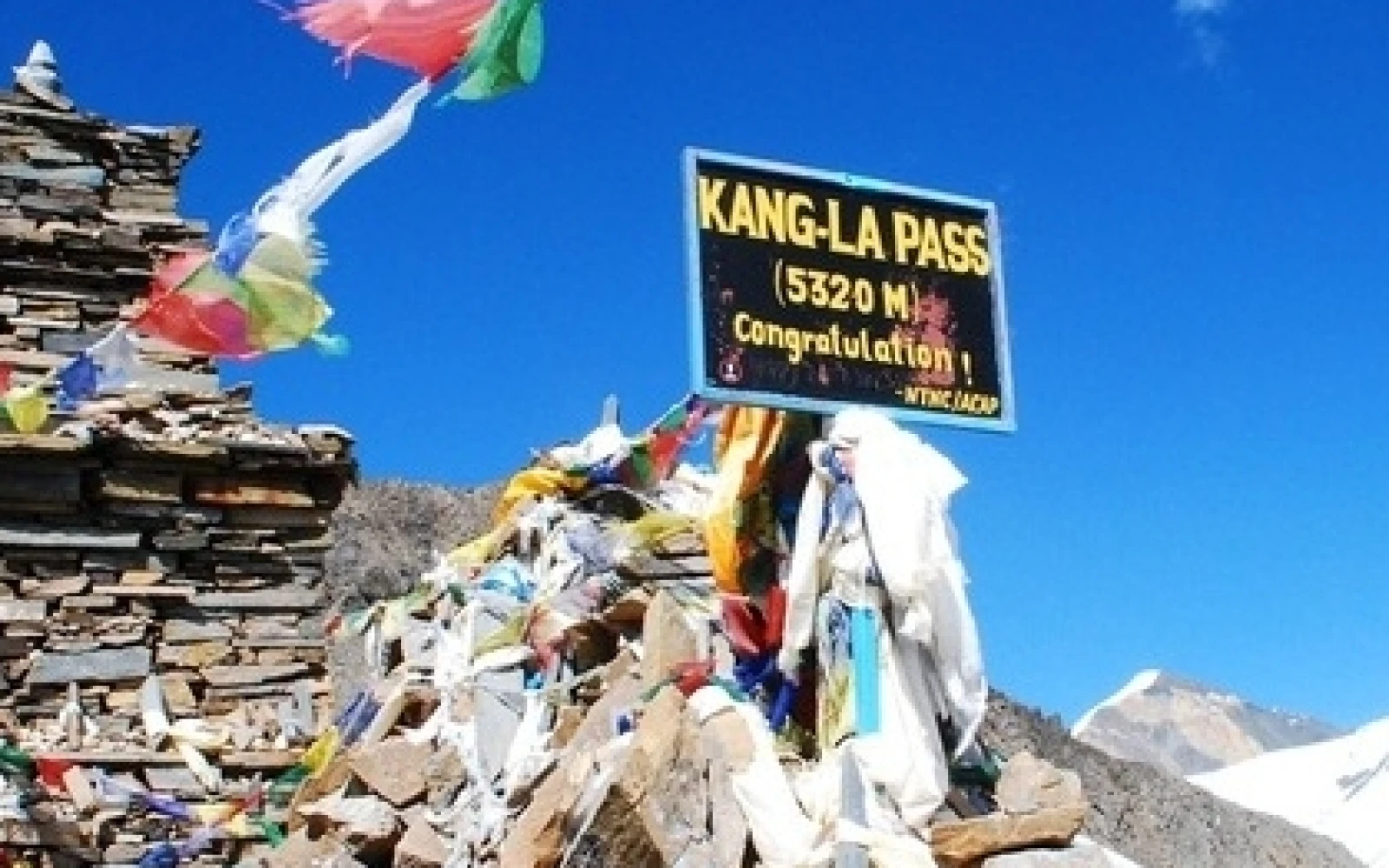
The Nar Phu Valley to Annapurna Circuit Trek is one of Nepal’s most captivating yet less-traveled trekking routes, offering an authentic Himalayan experience away from crowded trails. This trek combines the cultural richness of ancient villages with the dramatic landscapes of the Annapurna range. From lush valleys to high mountain passes, it’s a journey that appeals to adventure seekers, nature lovers, and cultural enthusiasts alike.
Unlike the popular Annapurna Circuit routes, the Nar Phu Valley section remains relatively untouched, preserving the unique Tibetan-influenced villages of Nar and Phu. Trekking through these remote settlements provides travelers with a glimpse of traditional lifestyles, centuries-old monasteries, and the resilience of mountain communities living above 4,000 meters. The route also presents challenging yet rewarding high-altitude trekking experiences, including the iconic Thorung La Pass at 5,416 meters.
Highlights of the trek include:
This trek is organized by Nepal Adventure Pilgrimage Treks & Expedition, a company dedicated to providing safe, culturally immersive, and environmentally responsible adventures across Nepal.
Nepal is famed for its trekking trails, yet many travelers flock to Annapurna Base Camp or Everest Base Camp, missing the untouched beauty of regions like Nar Phu Valley. This hidden gem offers a sense of isolation and serenity, making it ideal for trekkers seeking solitude and authentic cultural experiences. The journey takes you through remote villages, rugged landscapes, and high-altitude passes, allowing for unforgettable encounters with local people and Himalayan wildlife.
The Nar Phu Valley trek perfectly complements the Annapurna Circuit, blending remote exploration with the more popular trekking paths. The combination ensures trekkers experience both solitude and the social vibrancy of mountain communities along the Annapurna routes.
Why the Nar Phu Valley & Annapurna Circuit Are Trekkers’ Secrets
Best Time to Visit Nar Phu and Annapurna Circuit
The ideal trekking seasons are spring (March to May) and autumn (September to November). During these months, the skies are typically clear, temperatures are moderate, and the mountain views are at their most spectacular. Avoid the monsoon season (June to August) due to heavy rainfall and potential landslides, while winter months (December to February) can bring extreme cold and snow on high passes.
Key tips:
Trekking in the Nar Phu Valley and Annapurna Circuit requires proper permits. Nepal Adventure Pilgrimage Treks & Expedition assists trekkers in securing all necessary documents, including:
Guidelines emphasize respecting local culture, minimizing environmental impact, and following sustainable trekking practices, such as avoiding plastic waste and preserving natural habitats.
Following these guidelines ensures a safe, enjoyable, and immersive trek while exploring Nepal’s hidden Himalayan treasures.
From Kathmandu to Manang: The Route Overview
The journey begins in Kathmandu, Nepal’s vibrant capital, where trekkers prepare for permits and receive guidance from Nepal Adventure Pilgrimage Treks & Expedition staff. After a scenic drive to Besisahar and onward to Koto, the trek gradually ascends into the hidden Nar Phu Valley. This approach allows travelers to experience a transition from the bustling city life to remote mountain landscapes, passing terraced fields, small villages, and the Marshyangdi River. The route is designed to balance trekking challenges with cultural and natural exploration, gradually acclimatizing trekkers to high altitudes.
The trek from Koto to Meta and then onward to Phu village introduces trekkers to the rugged terrain of the Nar Phu region. The valleys here are dramatic, with towering peaks, glacial streams, and narrow passes that highlight the remoteness of the area. The strategic pacing ensures that trekkers adjust safely to increasing altitudes, preparing for the high passes ahead. The trek continues to Nar Phedi and Nar village, where isolation and tranquility dominate, offering a true escape into Nepal’s hidden Himalayan world.
Route Highlights:
First Impressions of Nar Phu Valley
Stepping into the Nar Phu Valley is like entering a hidden world. The villages of Nar and Phu retain traditional Tibetan-style architecture, prayer flags fluttering in the wind, and a sense of timelessness rarely found on popular trekking routes. These villages are tucked between dramatic mountain ridges, offering panoramic views of snow-capped peaks such as Gangapurna, Annapurna II, and Chulu East.
Trekkers often remark on the serenity of the valley; the lack of crowds allows for introspection and immersion in nature. Morning hikes are greeted with crisp alpine air, while evenings bring spectacular sunsets against towering Himalayan peaks. Wildlife sightings, including blue sheep and Himalayan birds, add to the uniqueness of this hidden valley experience.
First Impressions Highlights:
Trekking Highlights: Stunning Landscapes and Culture
The Nar Phu Valley and Annapurna Circuit offer a combination of challenging trekking and breathtaking scenery. Trekkers traverse high ridges, glacial valleys, and terraced landscapes, each step revealing new Himalayan vistas. The contrast between lush lower valleys and the barren, windswept upper regions highlights the diversity of Nepal’s topography.
Cultural immersion is a major highlight. Traditional villages, chortens (stupas), and mani walls (prayer stones) line the trails, giving trekkers insight into Buddhist practices and mountain heritage. From Ngawal to Manang, trekkers experience both the spiritual atmosphere and the vibrant mountain communities thriving in remote, high-altitude environments.
Trekking Highlights:
Meeting Local Communities in Nar Phu
One of the most enriching aspects of this trek is meeting the local residents of Nar and Phu villages. These communities maintain traditional lifestyles, farming barley, buckwheat, and potatoes while raising yaks and sheep. Trekkers have the rare opportunity to observe daily routines, interact with villagers, and experience their hospitality in homestays. Nepal Adventure Pilgrimage Treks & Expedition emphasizes respectful engagement, ensuring travelers learn and contribute positively to local communities.
The warmth of these Himalayan communities is evident in the simple greetings, shared meals, and insights into mountain survival techniques passed down through generations. These encounters transform the trek into a cultural journey as much as a physical one.
Cultural Engagement Highlights:
Monasteries, Traditions, and Himalayan Spirituality
Buddhist monasteries are scattered throughout the Nar Phu Valley and the Annapurna Circuit, serving as spiritual centers for locals and travelers alike. The Phu Monastery, for example, offers a glimpse into monastic life and ancient rituals. Prayer flags, stupas, and chortens are ubiquitous, symbolizing protection, peace, and enlightenment.
Spirituality here is woven into everyday life—morning prayers, chanting, and butter lamps illuminate the villages at dusk. Trekkers can witness ceremonies, learn about Tibetan Buddhist beliefs, and understand the connection between the natural Himalayan environment and local spirituality.
Spiritual Highlights:
Festivals and Rituals Along the Circuit
The Nar Phu and Annapurna regions host unique festivals and local rituals that celebrate both agriculture and spiritual beliefs. While trekking, travelers may encounter traditional festivals like Lhosar (Tibetan New Year) or village-specific celebrations that include dances, prayers, and offerings. These vibrant events provide insight into the rich cultural tapestry of the Himalayas and allow trekkers to witness communal life in its most authentic form.
Engaging with these traditions enriches the trekking experience, adding a deeper layer to the journey beyond natural beauty. Nepal Adventure Pilgrimage Treks & Expedition guides ensure trekkers are informed about cultural etiquette, so participation is both respectful and meaningful.
Festival Highlights:
Scenic Highlights: Mountains, Rivers, and Glacial Views
The Nar Phu Valley and Annapurna Circuit are a spectacular showcase of Himalayan scenery. Trekkers are treated to panoramic vistas of towering peaks, including Annapurna II, Gangapurna, Chulu East, and Thorong Peak, framed against clear blue skies. Glacial rivers carve deep valleys, reflecting the interplay of rugged geology and serene natural beauty. The high-altitude passes, such as Thorung La, offer breathtaking views of the surrounding peaks and glaciers, making every step a rewarding visual experience.
The journey also traverses terraced fields, rhododendron forests, and alpine meadows, each offering its own charm. Rivers like the Marshyangdi and Kali Gandaki flow alongside the trails, providing both aesthetic beauty and the soothing sound of flowing water. Travelers experience a dynamic range of landscapes from lush green lower valleys to the stark, windswept highlands of Nar Phu.
Scenic Highlights:
Flora and Fauna Unique to the Nar Phu-Annapurna Region
The Nar Phu Valley is a treasure trove of biodiversity. Trekkers encounter alpine flora, including rhododendrons, primulas, and medicinal herbs. At higher elevations, hardy plants cling to rocky slopes, displaying nature’s resilience. Wildlife sightings are common, from Himalayan blue sheep and snowcocks to red pandas in hidden forest patches. Birdwatchers can delight in spotting lammergeiers, Himalayan monals, and other high-altitude species along the trail.
The interplay of flora and fauna adds depth to the trekking experience, allowing travelers to appreciate the ecosystem’s balance. Nepal Adventure Pilgrimage Treks & Expedition guides often provide insights into the ecological significance of these plants and animals, enhancing the educational aspect of the trek.
Flora & Fauna Highlights:
Photographers’ Paradise: Capturing the Himalayas
For photographers and Instagram enthusiasts, this trek is a dream come true. Sunrise over high peaks, golden light illuminating prayer flags, and reflections in alpine rivers provide endless photographic opportunities. The hidden villages of Nar and Phu offer authentic cultural shots, while the high passes create dramatic backdrops of snow and sky.
Whether you are a professional photographer or an avid traveler documenting your journey, the Nar Phu-Annapurna region offers both iconic Himalayan vistas and intimate glimpses of daily village life. The diversity of landscapes, colors, and light ensures that every frame tells a unique story.
Photography Highlights:
Altitude and Acclimatization Tips
High-altitude trekking is one of the biggest challenges of the Nar Phu-Annapurna route. Trekkers gradually ascend from Koto (2,600m) to Thorung La Pass (5,416m), making proper acclimatization essential to prevent altitude sickness. Rest days in villages like Manang allow the body to adjust while also providing cultural immersion.
Tips for altitude management include:
Navigating Remote Trails and Weather Changes
The Nar Phu Valley is less frequented, meaning trails can be narrow, rocky, and occasionally confusing. Weather in the Himalayas can change rapidly, from sunny mornings to sudden snow or rain in higher passes. Trekking with experienced guides from Nepal Adventure Pilgrimage Treks & Expedition ensures safe navigation and proper response to unpredictable weather.
Trail & Weather Tips:
Staying Safe in High-Altitude Terrain
Safety is paramount when trekking at high altitudes. Travelers are advised to monitor their health, carry first-aid kits, and be aware of potential hazards like frostbite, hypothermia, and altitude sickness. Guides from Nepal Adventure Pilgrimage Treks & Expedition provide training on recognizing symptoms, emergency evacuation procedures, and proper acclimatization techniques.
Safety Highlights:
Best Teahouses and Homestays on the Trek
The Nar Phu-Annapurna route offers a mix of traditional teahouses and welcoming homestays. In villages like Nar, Phu, Ngawal, and Manang, trekkers can enjoy warm meals, local hospitality, and basic comforts after long days of trekking. Homestays provide insight into local culture, while teahouses cater to the essentials of food, shelter, and rest.
Teahouse & Homestay Highlights:
Budget vs Comfort: Where to Stay
Trekking accommodations vary in comfort and price. Budget trekkers can enjoy simple lodges with basic amenities, while those seeking comfort can book teahouses offering private rooms, heated dining areas, and hot showers. Booking in advance through Nepal Adventure Pilgrimage Treks & Expedition ensures availability in popular stops like Manang and Jomsom.
Accommodation Highlights:
Off-the-Beaten-Path Camping Experiences
For trekkers who enjoy wilderness adventure, camping is an option along less accessible sections of the Nar Phu Valley. These campsites provide unparalleled proximity to nature, offering night skies filled with stars and serene surroundings away from village lights. Guides arrange tents, cooking facilities, and safety measures, making the experience both adventurous and secure.
Camping Highlights:
Health and Safety in the Himalayas
Trekking in the Nar Phu Valley and Annapurna Circuit requires careful attention to health and safety due to high altitudes, remote trails, and changing weather conditions. Altitude sickness is the most common challenge, which can affect anyone regardless of fitness level. Taking gradual acclimatization days, staying hydrated, and avoiding alcohol or overexertion are essential precautions. Guides from Nepal Adventure Pilgrimage Treks & Expedition monitor trekkers’ health, ensuring early recognition of symptoms and proper response, including descent if necessary.
Other safety considerations include frostbite, hypothermia, and injuries from slips or falls on rocky trails. Trekking in groups, using trekking poles, and following local guides’ advice help minimize these risks. Additionally, carrying a basic first-aid kit, personal medications, and emergency contact information is crucial for high-altitude treks.
Health & Safety Highlights:
Managing Food, Water, and Supplies on Remote Trails
Food and water management are vital in remote Himalayan regions. Villages along the Nar Phu-Annapurna trek, such as Meta, Phu, Nar, and Manang, offer simple meals like dal-bhat, noodles, and soups. Carrying high-energy snacks, water purification tablets, and reusable bottles ensures safe hydration and sustenance on long trekking days.
Planning ahead for daily needs reduces the risk of shortages, especially when crossing high passes or traversing less populated areas. Guides from Nepal Adventure Pilgrimage Treks & Expedition help plan meals, identify potable water sources, and suggest nutrition strategies to maintain energy and health throughout the trek.
Food & Supply Highlights:
Essential Gear for 2026 Trekkers
Proper gear ensures comfort and safety across varying climates and altitudes. Layered clothing, waterproof jackets, insulated sleeping bags, trekking boots, and trekking poles are indispensable. Sun protection, sunglasses, and gloves are essential at high elevations where UV exposure is strong.
Nepal Adventure Pilgrimage Treks & Expedition recommends checking gear before departure, ensuring equipment is lightweight but durable. Portable power banks, headlamps, and navigation tools like maps or GPS devices also enhance safety and convenience during the trek.
Essential Gear Highlights:
Lessons from the Hidden Valleys
Trekking the Nar Phu Valley offers more than physical accomplishment; it’s a journey of self-discovery. Travelers learn patience, resilience, and respect for both nature and local communities. The isolation and serenity of remote villages provide a rare opportunity to disconnect from modern distractions and embrace simplicity.
Many trekkers find that witnessing traditional lifestyles, interacting with villagers, and observing Tibetan Buddhist practices leaves a lasting impression. The experience fosters a deeper appreciation for cultural diversity and environmental stewardship.
Key Lessons:
Why Nar Phu and Annapurna Circuit Should Be on Your Bucket List
This trek combines natural grandeur with cultural richness, making it an unparalleled Himalayan experience. Unlike crowded trekking routes, Nar Phu offers solitude, pristine landscapes, and authentic village interactions. Crossing the Thorung La Pass, visiting Muktinath Temple, and exploring Manang highlight the perfect balance between adventure, spirituality, and breathtaking scenery.
Bucket List Highlights:
Inspiring Stories from Fellow Trekkers
Trekkers often recount transformative experiences in Nar Phu and along the Annapurna Circuit. From helping villagers in daily chores to celebrating local festivals, these moments create lifelong memories. Many describe a profound sense of achievement upon crossing high passes or witnessing sunrise over snow-capped peaks.
Inspirational Moments:
Maps, Guides, and Apps for Navigation
Accurate navigation is essential on remote trails. Topographic maps, GPS devices, and trekking apps help track routes, estimate distances, and identify rest points. Nepal Adventure Pilgrimage Treks & Expedition provides detailed route maps, elevation profiles, and daily itineraries to ensure trekkers are well-prepared.
Navigation Highlights:
Recommended Local Operators and Trekking Agencies
Partnering with experienced local agencies enhances safety and cultural immersion. Nepal Adventure Pilgrimage Treks & Expedition is a trusted operator, offering knowledgeable guides, permit management, logistical support, and emergency assistance. Local operators also ensure trekkers respect cultural norms and minimize environmental impact.
Agency Highlights:
Further Reading and Travel Inspiration
For additional insights, travelers can explore trekking guidebooks, travel blogs, and Himalayan photography collections. Learning about local culture, geography, and trekking techniques beforehand enriches the experience. Nepal Adventure Pilgrimage Treks & Expedition provides curated resources and suggested readings to help trekkers prepare physically, mentally, and culturally.
Further Reading Highlights:

Exploring Tilicho Lake on the Annapurna Circuit Trek is one of the most rewarding high-altitude adventures in Nepal. Nestled at an altitude of approximately 5,200 meters, Tilicho Lake is regarded as one of the highest lakes in the world. This spectacular side trip from the classic Annapurna Circuit takes trekkers through dramatic alpine
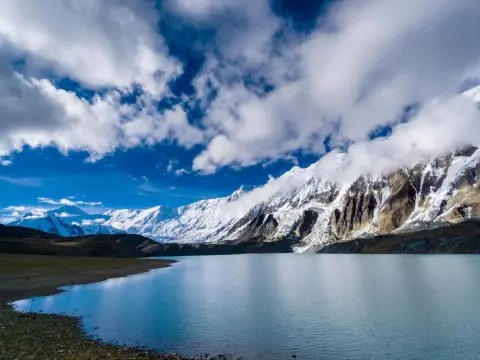
The Annapurna Circuit Trek is one of Nepal’s most iconic long-distance adventures, and its most dramatic highlights are the breathtaking Tilicho Lake and the legendary Thorong La Pass. Located in the heart of the Annapurna region, these two high-altitude landmarks combine extreme alpine beauty with spiritual and cultural significance.
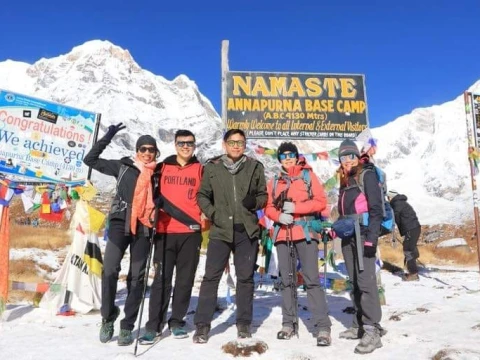
The Annapurna Base Camp (ABC) trek is one of Nepal’s most iconic Himalayan journeys, offering breathtaking views of snow-capped peaks, lush rhododendron forests, and diverse cultures. Starting from Nayapul, the trail gradually ascends through picturesque villages, terraced fields, and dense forests, making it accessible yet rewarding for