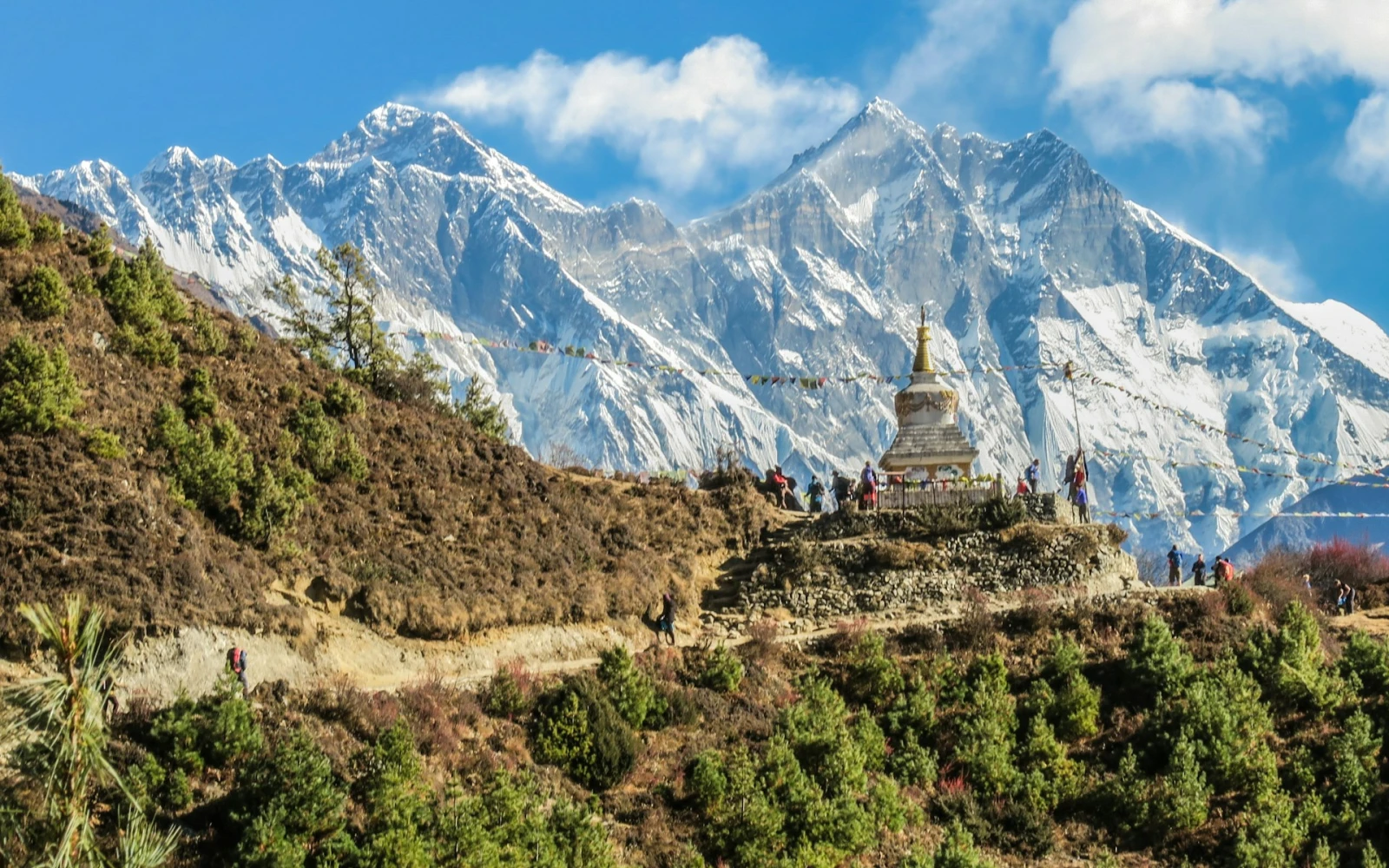
The period from September to November is widely regarded as the best trekking season in Nepal, offering some of the most spectacular mountain experiences in the world. During these months, the monsoon rains have just ended, leaving behind fresh landscapes, clean air, and crystal-clear Himalayan views. Popular trekking regions such as the Everest, Annapurna, Langtang, and Manaslu become highly accessible, attracting trekkers from all over the globe.
This season is especially ideal for both beginners and experienced trekkers because the trails are stable, the weather is predictable, and the visibility is at its peak. Most trekking routes are fully operational, teahouses are open, and local communities are actively welcoming visitors, making it a complete cultural and natural experience.
Key Highlights of Autumn Trekking (Sept–Nov):
A trusted trekking partner like Nepal Adventure Pilgrimage Treks & Expedition can help organize safe, guided, and customized trekking experiences during this peak season.
September to November marks the transition from the monsoon season to the dry autumn period in Nepal. This shift creates a perfect balance of lush green landscapes and clear blue skies. The mountains, freshly washed by monsoon rains, appear sharper and more majestic than at any other time of the year.
This is also the most comfortable trekking window in terms of temperature. Days are warm and pleasant for walking, while nights are cool but not extreme at lower and mid-altitudes. As a result, trekkers can enjoy long hiking days without the discomfort of heat, humidity, or heavy rain.
Why this season stands out:
Many trekking agencies, including Nepal Adventure Pilgrimage Treks & Expedition, consider this season the “golden period” for Himalayan adventures due to its safety, beauty, and accessibility.
Autumn in Nepal is defined by stable weather patterns, low humidity, and exceptional visibility of the Himalayan ranges. After the monsoon clears away dust and haze, the air becomes crisp and clean, offering uninterrupted mountain panoramas from almost every trekking route.
Trail conditions during this season are generally excellent. Paths are dry and firm, river crossings are safer, and high-altitude passes are more accessible compared to other seasons. However, since this is peak trekking time, popular routes can be moderately busy, especially in regions like Everest Base Camp and Annapurna Circuit.
Key characteristics of autumn trekking conditions:
Autumn is also a culturally rich time in Nepal, with major festivals such as Dashain and Tihar adding a unique cultural dimension to trekking journeys. This combination of nature and culture makes trekking with experienced operators like Nepal Adventure Pilgrimage Treks & Expedition even more rewarding.
There are several compelling reasons why September to November is considered the peak trekking season in Nepal. The combination of weather stability, scenic beauty, and cultural vibrancy creates a near-perfect environment for Himalayan adventures.
One of the biggest advantages is visibility. The post-monsoon atmosphere provides unmatched clarity, allowing trekkers to see snow-covered peaks like Everest, Annapurna, and Manaslu in their full glory. Additionally, the trails are safer and more predictable, making them suitable for a wide range of trekking styles—from short scenic hikes to challenging high-altitude expeditions.
Top reasons to trek in this season:
For a well-organized and memorable Himalayan journey, many trekkers choose Nepal Adventure Pilgrimage Treks & Expedition, known for providing tailored trekking packages, experienced guides, and reliable support during Nepal’s busiest trekking season.
The autumn season (September to November) opens up all major trekking regions of Nepal, offering the best combination of stable weather, crystal-clear visibility, and comfortable trekking conditions. During this period, trekkers can explore both popular and remote routes with confidence, as the monsoon has already washed away dust and pollution, leaving the landscapes fresh and vibrant.
Each trekking region in Nepal offers a unique experience—ranging from high-altitude Himalayan adventures to cultural village walks. Whether you are looking for iconic mountain views, spiritual trails, or peaceful nature walks, autumn is the perfect time to explore all of them. Guided support from experienced companies like Nepal Adventure Pilgrimage Treks & Expedition ensures safe and well-organized journeys across all regions.
Key highlights of trekking regions in autumn:
Everest Region Treks
The Everest region is one of the most iconic trekking destinations in the world, attracting adventurers who want to witness the majesty of Mount Everest. In autumn, the trails leading to Everest Base Camp become especially beautiful, with sharp mountain views, blue skies, and vibrant Sherpa villages. The region also offers cultural richness through monasteries and traditional settlements.
Autumn provides the safest and most scenic conditions for trekking in the Everest region. The air is crisp, visibility is unmatched, and trekking routes are fully operational. However, this is also the busiest season, so planning is recommended for accommodation and guides.
Popular Everest region highlights:
Why autumn is ideal here:
Annapurna Region Treks
The Annapurna region is one of Nepal’s most diverse trekking areas, offering everything from short scenic hikes to long high-altitude circuits. During September to November, the region becomes lush and green after the monsoon, with crystal-clear mountain backdrops and warm hospitality from local Gurung and Magar communities.
Autumn is the best time to explore famous routes like the Annapurna Circuit and Annapurna Base Camp, as the weather is stable and mountain views are at their sharpest. The region is also less extreme in altitude compared to Everest, making it suitable for a wide range of trekkers.
Popular Annapurna treks:
Autumn advantages:
Langtang Valley & Helambu Treks
The Langtang and Helambu regions are perfect for trekkers looking for peaceful trails close to Kathmandu. In autumn, these areas offer stunning mountain views, rhododendron forests, and traditional Tamang and Sherpa villages. The trails are less crowded compared to Everest and Annapurna, making them ideal for a quieter Himalayan experience.
Langtang Valley, often called the “Valley of Glaciers,” provides dramatic landscapes and close-up views of snow peaks. Helambu, on the other hand, is known for its cultural richness and gentle trekking routes, making it suitable for beginners and cultural explorers.
Key treks in the region:
Why trek here in autumn:
For trekkers seeking adventure beyond the mainstream routes, Nepal offers several remote and untouched trekking destinations. These trails are less commercialized, providing raw natural beauty and authentic cultural encounters. Autumn is the best season for these remote regions because weather conditions are stable and mountain passes are safely accessible.
These treks require more preparation, experienced guides, and proper logistics. However, the reward is unmatched—pristine landscapes, solitude, and deep cultural experiences far from crowded tourist routes.
Popular remote trekking options:
Key advantages:
Nepal offers countless trekking options, but some routes stand out as the best during the autumn season due to their scenery, accessibility, and overall experience. These treks combine natural beauty, cultural richness, and reliable weather conditions.
From short scenic hikes to challenging expeditions, the top 10 list includes treks suitable for different fitness levels and interests. Autumn ensures that all these routes are in their best condition.
Top 10 treks in autumn:
Why these are best in autumn:
Understanding trekking difficulty levels is essential before choosing a route in Nepal. Treks in Nepal vary from easy walks through villages to extreme high-altitude expeditions that require endurance, experience, and proper acclimatization. The autumn season makes most treks more manageable due to favorable weather conditions.
Beginners can enjoy shorter and lower-altitude treks, while experienced trekkers can challenge themselves with long-distance and high-altitude routes. Choosing the right trek ensures safety, enjoyment, and a successful journey.
Difficulty levels:
Important considerations:
For proper guidance and customized trekking plans, many travelers rely on Nepal Adventure Pilgrimage Treks & Expedition, which provides expert route selection, safety-focused planning, and experienced trekking support across all difficulty levels in Nepal.
Trekking in Nepal requires specific permits depending on the region you plan to visit. These permits are regulated by the government to ensure environmental protection, safety, and proper management of trekking routes. In popular areas like Everest, Annapurna, and Langtang, trekkers must carry valid permits that are checked at various entry points and checkpoints along the trail.
During the September to November season, demand for trekking is high, so it is strongly recommended to arrange permits in advance through a registered trekking agency. Working with an experienced company like Nepal Adventure Pilgrimage Treks & Expedition helps ensure all legal requirements are properly handled, avoiding delays or complications during your journey.
Common trekking permits in Nepal:
Key points to remember:
Packing properly for autumn trekking in Nepal is essential because the weather is generally stable but can vary significantly with altitude. While lower regions are warm during the day, higher elevations can become quite cold, especially in the mornings and evenings. Therefore, layering your clothing is the most effective strategy.
A well-planned packing list ensures comfort, safety, and flexibility throughout your trek. Since luggage is often carried by porters, packing light but smart is highly recommended. Many trekkers also seek guidance from agencies like Nepal Adventure Pilgrimage Treks & Expedition to ensure they bring all necessary items without overpacking.
Essential packing list:
Helpful packing tips:
Accommodation on trekking routes in Nepal mainly consists of teahouses and lodges. These are simple guesthouses run by local families that provide basic rooms, meals, and a warm place to rest. During the autumn season, teahouses are fully operational, but they can become crowded in popular trekking areas like Everest and Annapurna.
Food along the trails is fresh, locally sourced, and designed to provide energy for long trekking days. Meals are typically simple but nutritious, with options for both local Nepali cuisine and basic international dishes. Staying with a trusted trekking operator like Nepal Adventure Pilgrimage Treks & Expedition ensures reliable accommodation arrangements during peak season.
Accommodation features:
Common food options:
What to expect:
Safety is one of the most important aspects of trekking in Nepal, especially in high-altitude regions. Altitude sickness can affect trekkers who ascend too quickly without proper acclimatization. Symptoms include headache, dizziness, nausea, and fatigue, and should never be ignored.
Autumn provides stable weather conditions, but altitude-related risks remain the same. Proper planning, hydration, and gradual ascent are essential for a safe trekking experience. Professional support from agencies like Nepal Adventure Pilgrimage Treks & Expedition can significantly reduce risks through guided acclimatization schedules and emergency support.
Altitude sickness symptoms:
Safety tips:
Trekking in Nepal can be done either independently or with a licensed guide. Independent trekking offers flexibility and freedom, allowing trekkers to move at their own pace. However, it requires strong navigation skills, proper planning, and familiarity with local conditions.
On the other hand, guided trekking provides safety, convenience, and a deeper cultural understanding. Guides assist with permits, accommodation, route navigation, and emergencies. In remote or high-altitude regions, guided trekking is highly recommended for safety reasons. Many travelers prefer organized experiences with Nepal Adventure Pilgrimage Treks & Expedition to ensure a smooth and worry-free journey.
Independent trekking:
Guided trekking:
Which should you choose?
Trekking costs in Nepal during the September to November season vary depending on the region, duration, level of comfort, and whether you choose a guided or independent trek. Autumn is the peak trekking season, so prices are generally slightly higher due to high demand for guides, accommodation, and flights. However, the quality of service, clear weather, and safe conditions make it worth the investment.
On average, short treks like Ghorepani Poon Hill are more affordable, while long and high-altitude treks such as Everest Base Camp or Manaslu Circuit require a higher budget. Working with a professional agency like Nepal Adventure Pilgrimage Treks & Expedition helps trekkers manage costs efficiently by bundling permits, guides, accommodation, and logistics into one organized package.
Estimated cost breakdown (per person):
Key cost factors:
Autumn is not only the best trekking season in Nepal for scenery but also the richest time for cultural experiences. From September to November, Nepal celebrates its two biggest festivals—Dashain and Tihar—which bring villages and cities alive with traditions, rituals, and community gatherings. Trekkers can experience authentic Nepali culture while passing through rural mountain villages.
These festivals offer a unique opportunity to witness local hospitality, traditional music, dances, and religious ceremonies. Staying with local communities along trekking routes adds a deeper cultural dimension to the journey. Many trekkers find that guided tours organized by Nepal Adventure Pilgrimage Treks & Expedition enhance these cultural experiences through local connections and storytelling.
Major autumn festivals:
Cultural experiences:
Nepal in autumn is a paradise for photographers. The post-monsoon clarity creates sharp mountain views, vibrant skies, and rich landscapes that are ideal for capturing stunning images. Whether you are using a professional camera or a smartphone, the lighting and scenery during this season are incredibly photogenic.
From golden sunrises over the Himalayas to colorful village life and prayer flags fluttering in the wind, every moment offers a perfect shot. Trekking routes managed by experienced operators like Nepal Adventure Pilgrimage Treks & Expedition ensure you reach the best viewpoints at the right time for photography.
Best photography opportunities:
Photography tips:
Even though autumn is the best trekking season in Nepal, many trekkers still make avoidable mistakes that affect their overall experience. One of the most common errors is underestimating altitude and overestimating physical fitness. Another frequent issue is overpacking or failing to prepare for temperature variations between day and night.
Proper planning and guidance are essential to avoid these mistakes. Choosing an experienced trekking company like Nepal Adventure Pilgrimage Treks & Expedition helps ensure trekkers receive professional advice, correct acclimatization schedules, and logistical support.
Common mistakes:
How to avoid them:
Trekking in Nepal during September to November offers one of the most rewarding travel experiences in the world. With clear mountain views, stable weather, rich cultural festivals, and fully open trekking routes, this season is truly the golden period for Himalayan adventures. Whether you are a beginner or an experienced trekker, Nepal offers something unforgettable for everyone.
Proper planning, the right gear, and professional support are key to making your journey safe and enjoyable. A trusted trekking partner like Nepal Adventure Pilgrimage Treks & Expedition can help you design a personalized itinerary, manage permits, and ensure a smooth trekking experience from start to finish.
Final takeaways:
With the right preparation and support, your autumn trek in Nepal becomes more than just a journey—it becomes a lifelong memory in the heart of the Himalayas.